
High street wars! Dead or alive?
87% of business leaders believe the UK high street is dying, but retail experts at Elite Business Live 2026 argued the reality is far more complex The post High street wars! Dead or alive? appeared first on Elite Business Magazine.
 Black News
“Do you feel the UK high street is dying?”
That was the question posed to the audience during one of the liveliest panel discussions at Elite Business Live 2026, and the response was brutal.
87% voted yes.
But while the audience verdict painted a bleak picture, the panel itself told a far more complicated story. Because, according to some of retail’s most experienced operators, founders and branding experts, the high street isn’t necessarily dead.
It’s simply being forced to justify its existence.
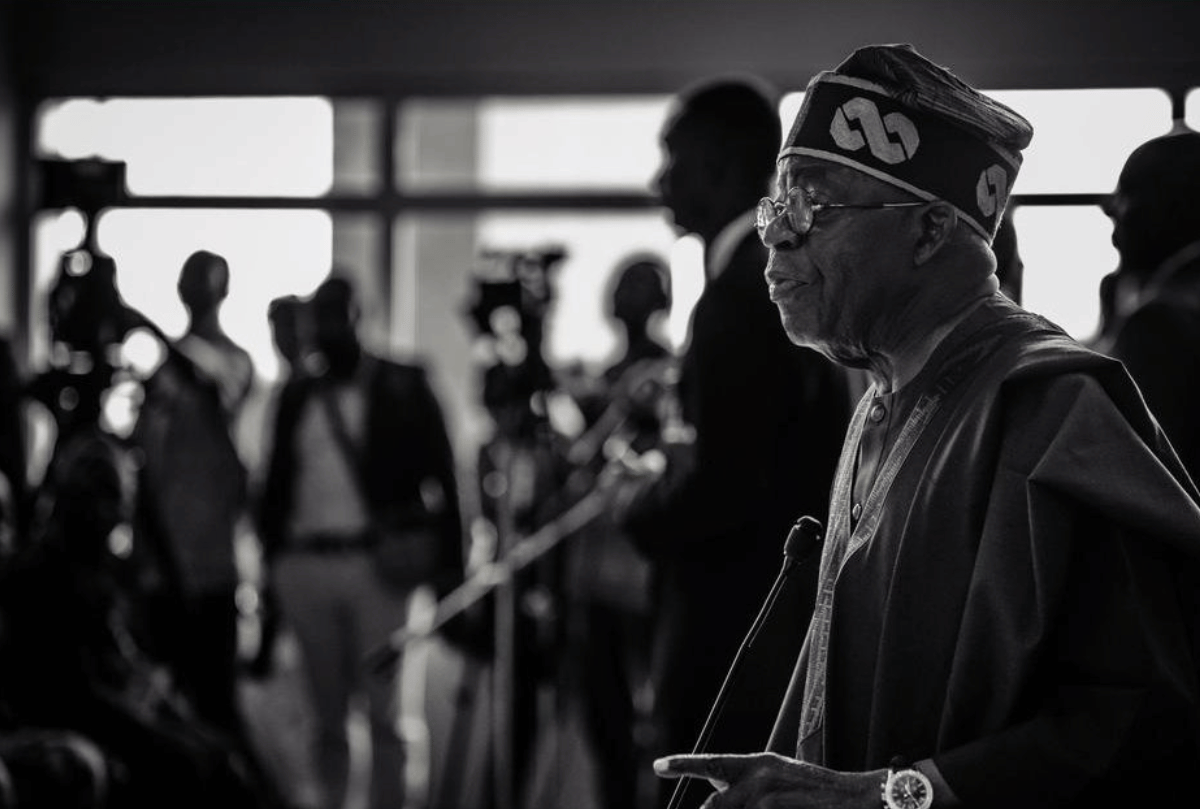
Hosted by entrepreneur and broadcaster Oli Barrett, the session brought together an eclectic mix of retail leaders: Amy Knight, Co-Founder of Must Have Ideas; Arjun Sofat, Co-Founder and CEO of wellness brand Free Soul; Daniel Rubin, Chairman of Dune Group; retail branding expert Jackie Naghten; and serial entrepreneur and retail strategist Mike Greene.
What followed was less a nostalgic defence of traditional retail and more a candid dissection of everything the high street has misunderstood about modern consumers.
The central message?
Retail can still thrive, but only if it becomes something customers cannot get online.
The high street’s biggest problem? It forgot why people visit
The panel quickly agreed on one thing: physical retail can no longer survive by simply existing as a place to buy products.
The internet already won that battle.
Amy Knight put it bluntly when discussing whether Must Have Ideas would ever open physical stores. “It’s got to offer something that online can’t. Otherwise, it’s just an expensive website with walls.”
That line became one of the defining themes of the discussion.
For decades, the high street’s role was distribution. Shops existed because customers had no other way to access products. But e-commerce removed that dependency entirely.
Now retailers must answer a far harder question: Why should someone physically visit you?
Arjun Sofat argued that successful stores now operate as “experiential value adds” rather than pure transactional spaces.
In other words, physical retail has shifted from convenience to connection.
That means stores must create:
- Discovery
- Entertainment
- Trust
- Social interaction
- Expertise
- Emotional engagement
Without those things, consumers simply stay home and order online.
The brands surviving aren’t selling products. They’re selling feelings
One of the most compelling moments came when Jackie Naghten explained why certain brands continue to succeed on the high street despite mounting pressures.
Her answer had nothing to do with pricing. It was about emotional connection.
“Brands are an emotional connection to the heart.”
Naghten described the experience of walking into trusted retailers like Dune or Mint Velvet, stores that create familiarity, confidence and excitement.
Customers do not simply buy shoes or clothing. They buy reassurance. They buy identity. They buy the feeling associated with the brand.
“You come away feeling, yes, I’m right to trust that brand.”
That emotional dimension is where physical retail still holds enormous power over purely digital businesses.
Daniel Rubin echoed the point from a product perspective. For categories like fashion and footwear, physical interaction still matters enormously. “You want to feel that leather. You want to feel the softness.”
Despite years of predictions about the death of stores, Dune is actually seeing increased footfall in many locations.
But crucially, not all high streets are benefiting equally.
Some locations remain vibrant destinations. Others continue to decline rapidly.
Retail didn’t die. It failed to evolve
If there was one panellist willing to say the uncomfortable part out loud, it was Mike Greene. And he did not hold back.
“Business is dead, if you like. But I don’t think it’s happening to them. I think it’s assisted dying and suicide because of their failure to change with the needs of shoppers.” Greene argued that many retailers ignored obvious consumer shifts for years.
His example of WH Smith drew laughs from the audience, but also illustrated the wider issue. The business relied heavily on categories already moving online, books, lottery services, phone top-ups, bill payments and cigarettes, yet failed to meaningfully reinvent the customer experience.
Meanwhile, emerging trends such as coffee culture, co-working spaces and destination retail were exploding in popularity.
Greene’s criticism was simple: Retailers saw change coming and did nothing. “Don’t fight it, flow with it.”
His Harrods example perfectly captured modern consumer behaviour. Young influencers were buying luxury handbags purely to create social media content before returning them. Instead of resisting that behaviour, Greene argued retailers should have embraced it by building influencer-friendly in-store experiences that amplified the brand online.
The future of retail, according to Greene, belongs to businesses willing to work with evolving consumer habits rather than against them.
Why online and offline retail are no longer separate worlds
One of the strongest insights from the discussion came from Arjun Sofat, whose wellness brand Free Soul began online before expanding into physical retail partnerships with retailers including Boots and Tesco.
Sofat challenged the idea that online and offline retail should even be viewed separately anymore.
Instead, he described retail as a connected customer journey where each platform serves a different purpose.
For Free Soul:
- TikTok drives discovery
- Amazon provides reviews and reassurance
- Physical retail builds trust and trial
- The website drives subscription retention
Each channel supports the next.
That omnichannel approach allows brands to reach consumers at different moments and in different mindsets.
Physical retail also delivers something online advertising increasingly struggles with: broader audience reach.
As Sofat explained, digital advertising platforms have become harder to measure and more expensive to scale effectively. Physical retail offers exposure to entirely different customer groups while also increasing brand legitimacy.
Perhaps most importantly, retail partnerships transfer trust.
Boots, for example, carries decades of consumer credibility. “Leveraging your brand not just for distribution, but for trust…”
For wellness brands in particular, that trust can dramatically improve customer confidence and conversion.
The economics of the high street are still brutal
Despite the optimism around experience-led retail, the panel was equally clear that the economics remain deeply challenging.
Daniel Rubin highlighted the burden created by the UK’s business rates system, arguing retailers are carrying an unfair share of taxation.
Rising operating costs, National Insurance increases, VAT policy changes and energy costs continue to squeeze profitability.
Rubin revealed that National Insurance changes alone added £2 million in additional costs to the Dune Group business.
Naghten added that average rates for many stores have more than doubled within a relatively short period, making survival increasingly difficult for smaller operators.
The panel repeatedly returned to one reality: Even great retail experiences can struggle if the numbers simply do not work.
TikTok, AI and social media are now part of the high street
One of the clearest shifts discussed throughout the session was the growing overlap between digital culture and physical retail.
According to Greene, retailers who still rely heavily on traditional advertising are already behind.
“People aren’t coming from an ad. They’re being interrupted while they’re doom scrolling on social media.”
He pointed to growing investments from major retailers into AI, TikTok and social discovery as evidence that the future of retail marketing is already changing.
The implication was clear.
Modern retail businesses are no longer competing solely on product or price. They are competing for attention.
And increasingly, that battle begins long before customers ever walk through a store door.
So… is the high street dead?
By the end of the session, the answer felt surprisingly nuanced.
The old version of the high street, rows of purely transactional stores relying on convenience and habit, is clearly fading.
But retail itself? That is evolving, not disappearing.
The stores surviving in 2026 are the ones creating experiences, building trust, embracing social behaviour and understanding how digital and physical channels now work together.
As the panel repeatedly demonstrated, consumers still want connection.
They still want discovery. They still want to feel something.
The challenge for retailers is giving them a reason to leave the house in the first place.
The post High street wars! Dead or alive? appeared first on Elite Business Magazine.