Hunger Kills 16 People In Uganda’s Karamoja Sub-Region
By Black Star News Acute hunger continues to ravage Uganda’s North-Eastern sub-region of Karamoja in what government attributes to prolonged droughts across the country. According to a statement from the Office of the Prime Minister (OPM)’s Permanent Secretary, Alex Kakooza, whereas much of the country has witnessed dry conditions, the semi-arid Karamoja sub-region has been hit hard which has so far caused the death of 16 people. “Several parts of the country are currently experiencing dry conditions. In Karamoja, prolonged dry conditions have led to crop failure and food shortages. Sadly, it has been reported that 16 people have died from causes associated with food shortages in the sub-region. The Government extends its deepest sympathies to the bereaved families and the affected communities,” Kakooza said in the July 9 statement. According to Kakooza, the OPM delivered 22 tonnes of food relief to the worst-affected parts of the sub-region’s Kaabong District on July 7. The relief food distribution consisted of 13 tonnes of maize flour and nine tonnes of dry beans. He promised more consignments were to follow. “The Office of the Prime Minister has also arranged for another consignment of relief food for immediate distribution to the most-affected districts requiring urgent assistance, namely Kaabong, Kotido, Amudat, Napak and Moroto,” said Kakooza adding that the OPM would on July 13 seek Cabinet to approve the procurement of yet another emergency food relief to support communities hit by severe food shortages. Said Kakooza: “The Government recognizes the difficulties faced by Ugandans experiencing food shortages and is taking urgent measures to support the families most in need.” In a country where modernized agriculture is only pedagogic, subsistence peasant farmers—comprising the majority countrywide— rely on rain-fed agriculture. The need for fertilizers and irrigation in order to enhance food productivity remains a pipe dream. In May 2023, the Uganda Human Rights Commission (UHRC), a statutory body, reported that over 2,000 people died of hunger in the arid Karamoja sub-region. The UHRC report breaks down the hunger-related deaths as 1, 676 being the highest number in Kotido district, 225 people died of hunger in Kabong district, 166 in Moroto district and Napak district registered 135 deaths to hunger. Karenga district was the least with 8 people dying of hunger in 2022 alone. Dry spells led to acute famine killing 2, 207 people in Karamoja sub-region, according to UHRC. “The long dry spell in the region was partly due to State failure to anticipate, reduce and rapidly respond to disaster risks. Climate change is a grave threat to people worldwide; if the government [of Uganda] fails to take reasonable and rational measures to safeguard against it,” the UHRC report warned in 2023. Kotido district registered 300 cases of malnourished children due to acute famine in Karamoja sub-region. The report also pins insecurity, livestock raids [amongst the Karimojongs themselves and by Turkana from Kenya], low crop yields, destruction of crops by wild animals, abject poverty, among other calamities as the causes of hunger in Karamoja sub-region. In spite of the fact that UHRC, a government agency had carried such harrowing findings, the then junior foreign affairs minister, Henry Okello-Oryem, a trained lawyer, went on national television in January 2024 to describe hunger-dying citizens as “idiots”. “Those are idiots; real idiots that can die of hunger in Uganda. Those are idiots because there is enough food in Uganda,” Okello-Oryem said in the January 24, 2024 television interview. “If you work hard, there is land in Uganda; the climate is good right in spite of some changes. If you make double efforts to wake up in the morning, till your land and plant the seeds, you maintain your plantation, surely, how do you fail to get food?” the lawyer asked those dead and at-the-time still dying of hunger in Karamoja sub-region. It was reported in July 2022 that 900 people had died of hunger or hunger-related diseases in the Karamoja sub-region since February 2022, and that 8 out of 10 households had limited or no food. Karamoja sub-region is on the leeward side of Mt Moroto which straddles the Uganda-Kenya border. It is this unchangeable geography which starves the sub-region of optimum rainfall every season. The Kenyan side of the mountain, on the other hand, receives adequate rainfall coupled with fertile alluvial soils which makes it a booming food basket in Kenya while the Ugandan side stews in prolonged droughts.
 Black News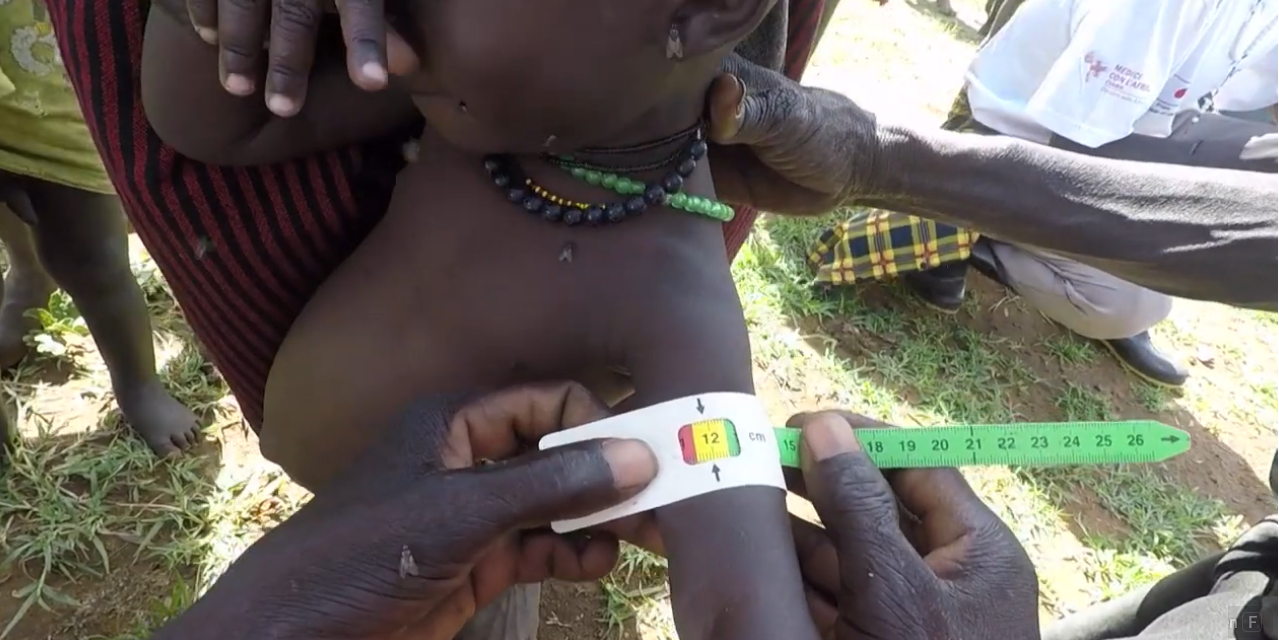
By Black Star News
Acute hunger continues to ravage Uganda’s North-Eastern sub-region of Karamoja in what government attributes to prolonged droughts across the country. According to a statement from the Office of the Prime Minister (OPM)’s Permanent Secretary, Alex Kakooza, whereas much of the country has witnessed dry conditions, the semi-arid Karamoja sub-region has been hit hard which has so far caused the death of 16 people.
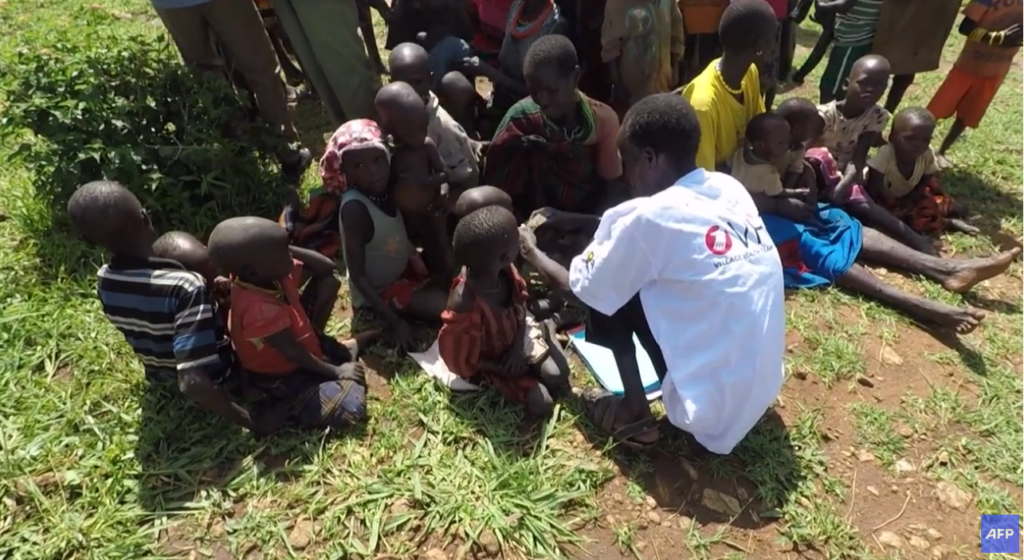
“Several parts of the country are currently experiencing dry conditions. In Karamoja, prolonged dry conditions have led to crop failure and food shortages. Sadly, it has been reported that 16 people have died from causes associated with food shortages in the sub-region. The Government extends its deepest sympathies to the bereaved families and the affected communities,” Kakooza said in the July 9 statement.
According to Kakooza, the OPM delivered 22 tonnes of food relief to the worst-affected parts of the sub-region’s Kaabong District on July 7. The relief food distribution consisted of 13 tonnes of maize flour and nine tonnes of dry beans. He promised more consignments were to follow. “The Office of the Prime Minister has also arranged for another consignment of relief food for immediate distribution to the most-affected districts requiring urgent assistance, namely Kaabong, Kotido, Amudat, Napak and Moroto,” said Kakooza adding that the OPM would on July 13 seek Cabinet to approve the procurement of yet another emergency food relief to support communities hit by severe food shortages.
Said Kakooza: “The Government recognizes the difficulties faced by Ugandans experiencing food shortages and is taking urgent measures to support the families most in need.”
In a country where modernized agriculture is only pedagogic, subsistence peasant farmers—comprising the majority countrywide— rely on rain-fed agriculture. The need for fertilizers and irrigation in order to enhance food productivity remains a pipe dream.
In May 2023, the Uganda Human Rights Commission (UHRC), a statutory body, reported that over 2,000 people died of hunger in the arid Karamoja sub-region. The UHRC report breaks down the hunger-related deaths as 1, 676 being the highest number in Kotido district, 225 people died of hunger in Kabong district, 166 in Moroto district and Napak district registered 135 deaths to hunger. Karenga district was the least with 8 people dying of hunger in 2022 alone.
Dry spells led to acute famine killing 2, 207 people in Karamoja sub-region, according to UHRC. “The long dry spell in the region was partly due to State failure to anticipate, reduce and rapidly respond to disaster risks. Climate change is a grave threat to people worldwide; if the government [of Uganda] fails to take reasonable and rational measures to safeguard against it,” the UHRC report warned in 2023.
Kotido district registered 300 cases of malnourished children due to acute famine in Karamoja sub-region. The report also pins insecurity, livestock raids [amongst the Karimojongs themselves and by Turkana from Kenya], low crop yields, destruction of crops by wild animals, abject poverty, among other calamities as the causes of hunger in Karamoja sub-region.
In spite of the fact that UHRC, a government agency had carried such harrowing findings, the then junior foreign affairs minister, Henry Okello-Oryem, a trained lawyer, went on national television in January 2024 to describe hunger-dying citizens as “idiots”.
“Those are idiots; real idiots that can die of hunger in Uganda. Those are idiots because there is enough food in Uganda,” Okello-Oryem said in the January 24, 2024 television interview.
“If you work hard, there is land in Uganda; the climate is good right in spite of some changes. If you make double efforts to wake up in the morning, till your land and plant the seeds, you maintain your plantation, surely, how do you fail to get food?” the lawyer asked those dead and at-the-time still dying of hunger in Karamoja sub-region.
It was reported in July 2022 that 900 people had died of hunger or hunger-related diseases in the Karamoja sub-region since February 2022, and that 8 out of 10 households had limited or no food.
Karamoja sub-region is on the leeward side of Mt Moroto which straddles the Uganda-Kenya border. It is this unchangeable geography which starves the sub-region of optimum rainfall every season. The Kenyan side of the mountain, on the other hand, receives adequate rainfall coupled with fertile alluvial soils which makes it a booming food basket in Kenya while the Ugandan side stews in prolonged droughts.