‘I Misunderstood The Signs’: Two Black Women Share The Early Cervical Cancer Symptoms They Almost Missed
If “schedule a Pap” has been sitting on your to-do list for the new year (or for longer than that), you’re not alone. But keep in mind: delaying that appointment […] The post ‘I Misunderstood The Signs’: Two Black Women Share The Early Cervical Cancer Symptoms They Almost Missed appeared first on Essence.
 Black News

 Getty Images
  By Tamieka Welsh ·Updated January 26, 2026 < /> Getting your Trinity Audio player ready…
 If “schedule a Pap” has been sitting on your to-do list for the new year (or for longer than that), you’re not alone. But keep in mind: delaying that appointment can mean missing early warning signs of American Cancer Society, cervical cancer is most often diagnosed in women between the ages of 35 and 64, with the average age at diagnosis being 50. While it rarely develops in women under 20, it’s still important to stay on top of screening throughout adulthood. More than 20% of cases are found in women over 65, making routine screening critical later in life. And while cervical cancer impacts women across communities, Black women—alongside Native American women—are about 65% more likely to die from it than White women.
With disparities still shaping outcomes, Vonetta M. Williams, MD, a radiation oncologist at Memorial Sloan Kettering Cancer Center, says there are symptoms that often get overlooked. They include abnormal vaginal discharge, bleeding after sex, pain during intercourse, and pelvic pain. She also emphasizes that early cervical cancer can be asymptomatic, which is why it can go unnoticed in the earliest stages.
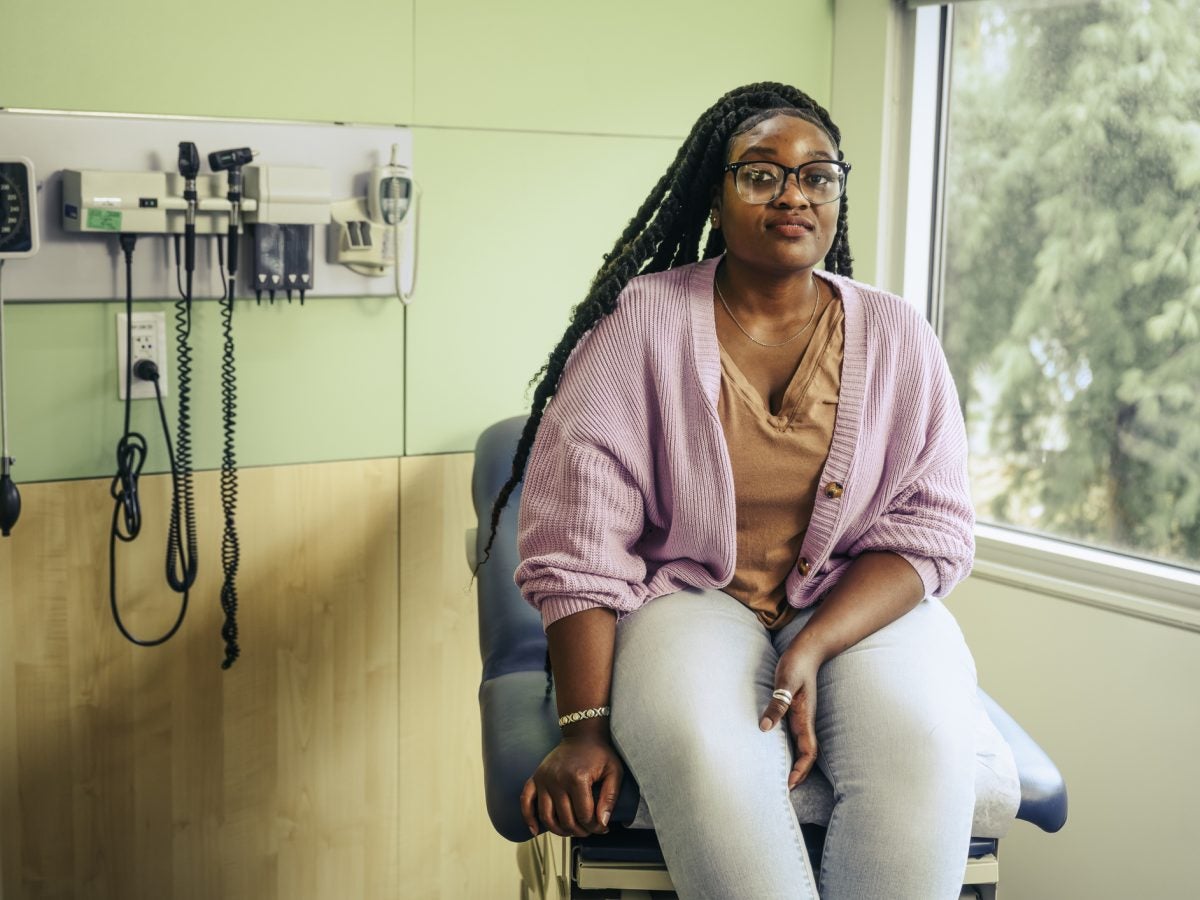
For Tionne Lewis, a Texas Oncology cervical cancer patient, her first sign wasn’t pain; it was a menstrual cycle that suddenly wouldn’t stop. “I thought that I was starting Tamika Felder, founder of Cervivor, says her experience looked very different. “I had a boil under my arm, and it was very painful,” she recalls. During that visit, her doctor asked when her last Pap test was—and she realized it had been three or four years. Soon after, she learned she would need a radical hysterectomy.
While these are just a few examples of how symptoms can show up, they’re a reminder that if something feels new, persistent, or simply off in your body, it’s worth getting checked.
When things go unchecked, Williams notes that delays in diagnosis are often multifactorial, with contributing factors that include insurance coverage issues, limited access to health care, lack of information, and cultural mistrust. Felder says she experienced some of those barriers firsthand. At the time, she was freelancing, and she shared that she often didn’t have health insurance, which led her to dismiss regular screenings altogether.
“I thought, ‘I don’t need it…if I get sick, I’ll just go to the emergency room,’” she says. She also describes having a narrow mental picture of what cancer “looks like,” and how that made it easier to deny what doctors were telling her. Felder also recalls being fat-shamed during an exam in the past, which left her in no hurry to go back.
For Lewis, fear played a role, too. She says she hadn’t had a Pap smear in a few years after a previous abnormal result and a history of cervical dysplasia. “Deep down I was scared,” she admits. With kids at home and her husband seriously ill, Lewis says she became her family’s sole provider, making it harder to prioritize her own care.
That said, if you’re overdue for a Pap smear, Williams’ advice is simple: “Stop what you are doing and make an appointment” to see your gynecologist as soon as possible. From there, your provider can review your medical history and symptoms (if you have any), and guide you on next steps, whether that’s a Pap test, an HPV test, or follow-up care.
When it comes to lowering your risk of cervical cancer, the good news is that there are real steps you can take starting today. Key steps include getting the HPV vaccine, staying up to date on Pap smears and HPV screenings, and practicing safer sex, including using condoms. It also helps to avoid smoking, since the habit can increase a risk of cervical cell changes.
Most importantly, early detection can change everything, and you deserve access to care that takes your concerns seriously.
TOPICS: cervical cancer health and wellnessThe post ‘I Misunderstood The Signs’: Two Black Women Share The Early Cervical Cancer Symptoms They Almost Missed appeared first on Essence.