In the Dominican Republic, the Caribbean’s Oldest City Is Nearing the End of a Major Transformation
The sound of rolling suitcase wheels has echoed across the stone streets of Santo Domingo’s Colonial City for generations. So have church bells, live merengue drifting from open-air restaurants and the conversations that spill out of cafés tucked inside centuries-old buildings. Every corner tells part of the story of the Caribbean, and of the Americas. Soon, many […] The post In the Dominican Republic, the Caribbean’s Oldest City Is Nearing the End of a Major Transformation appeared first on Caribbean Journal.
 Black News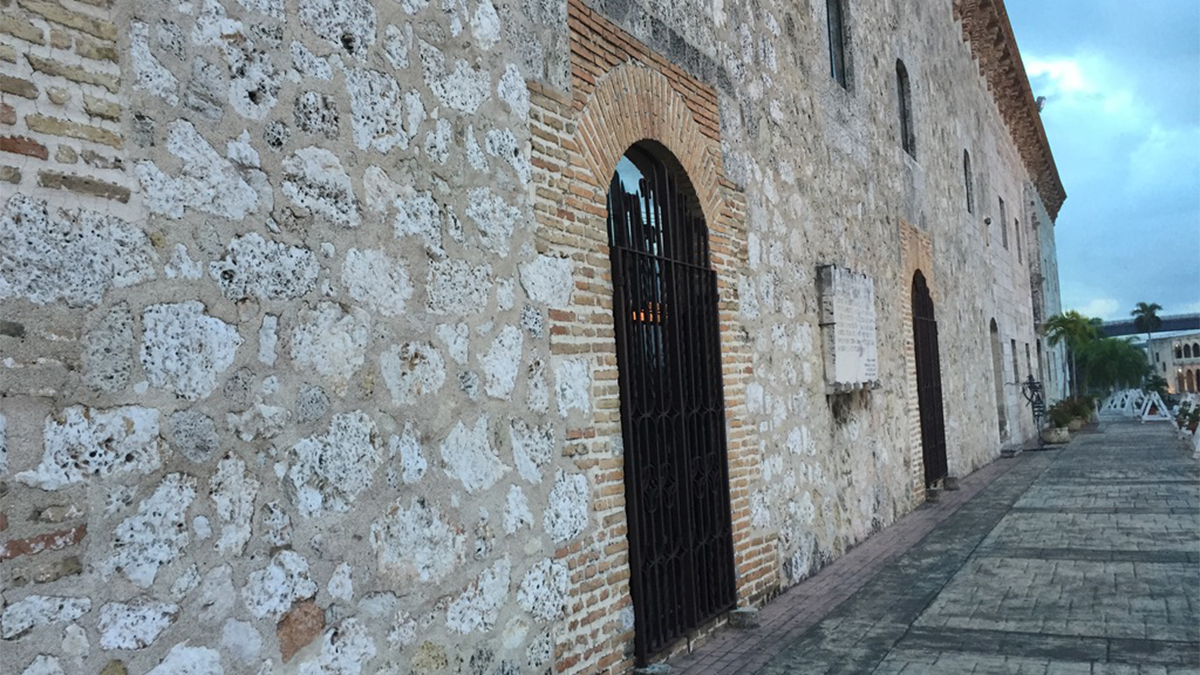

The sound of rolling suitcase wheels has echoed across the stone streets of Santo Domingo’s Colonial City for generations. So have church bells, live merengue drifting from open-air restaurants and the conversations that spill out of cafés tucked inside centuries-old buildings. Every corner tells part of the story of the Caribbean, and of the Americas.
Soon, many of those streets will welcome visitors with an entirely new look.
The Dominican Republic says the sweeping revitalization of Santo Domingo’s Colonial City is entering its final stretch, with streets currently under construction expected to be finished by October and the completed project scheduled for formal delivery in December.
The milestone brings one of the Caribbean’s most ambitious historic restoration efforts closer to completion, reshaping one of the region’s defining cultural destinations while preserving the architecture and atmosphere that have made the neighborhood one of the Dominican Republic’s great places to explore.
A Landmark Restoration Is Nearing The Finish Line
The work is being carried out by the Dominican Republic Ministry of Tourism through the Comprehensive Tourism and Urban Development Program for Santo Domingo’s Colonial City, a long-term initiative focused on restoring both public spaces and some of the district’s most important historic landmarks.
According to project officials, more than 28 projects are currently underway throughout the neighborhood.
Those projects extend well beyond rebuilding streets. The initiative also includes work on historic buildings, churches, cultural centers, residential properties and public spaces, creating a comprehensive revitalization of the district rather than a simple infrastructure upgrade.
During a media tour this week, journalists were able to see firsthand how much progress has been made. Officials showcased restored streets alongside areas still under construction, while presentations illustrated the dramatic before-and-after transformation of buildings, plazas, churches and cultural institutions throughout the district.
Architect Amín Santos, who provided the project update, said the overall revitalization has now reached 86.8 percent completion. Construction remains on schedule to conclude by October, with the completed project expected to be formally delivered in December.
For visitors planning a trip later this year or during the winter season, the timing means the Colonial City should soon be welcoming travelers with nearly all of the work complete.
Why Santo Domingo’s Colonial City Is So Special
Few places in the Caribbean carry the historical significance of Santo Domingo’s Colonial City.
Founded in 1502, it became the first permanent European settlement in the Americas, a distinction reflected throughout the neighborhood’s remarkable collection of architecture. Walking its streets means discovering some of the oldest surviving European buildings anywhere in the Western Hemisphere, from churches and monasteries to military fortifications and elegant colonial homes.
Yet history is only part of the appeal.
Today, the Colonial City has become one of the Caribbean’s most engaging urban neighborhoods, blending museums, galleries and centuries-old landmarks with rooftop cocktail bars, acclaimed restaurants, boutique hotels and lively public squares.
You might spend the morning exploring museums and historic churches before settling into a shaded plaza for lunch, then finish the evening listening to live music beneath balconies that have overlooked these same streets for centuries.
The revitalization project is designed to enhance precisely that experience, preserving the district’s architectural character while making it even more enjoyable to explore on foot.
More Than New Streets
The rebuilt streets will almost certainly attract the most immediate attention once construction wraps up.
But the scope of the project reaches much further.
Officials say the initiative includes restoration work on historic churches, cultural institutions, public buildings and residential properties, creating improvements throughout the neighborhood rather than concentrating on a handful of high-profile landmarks.
The work has also been phased carefully, allowing restaurants, museums, shops and hotels to continue welcoming visitors throughout much of the construction period.
As additional streets reopen over the coming months, the Colonial Zone, as locals call it, will gradually return to the uninterrupted walking experience that has always been one of its greatest strengths.
For a neighborhood best explored without an itinerary, every restored block makes a difference.
A Different Side Of The Dominican Republic
For many visitors, the Dominican Republic begins with beach resorts in destinations like Punta Cana, La Romana or Puerto Plata.
Adding a few days in Santo Domingo reveals a completely different dimension of the country.
The capital has become one of the Caribbean’s leading culinary destinations, with innovative Dominican restaurants, contemporary cocktail bars and an increasingly sophisticated boutique hotel scene complementing its extraordinary historical legacy.
The Colonial City sits at the center of all of it.
Whether you’re visiting the Primada de América Cathedral, browsing local galleries, enjoying dinner in Parque Colónor wandering along Calle Las Damas, every walk becomes an opportunity to discover another layer of Caribbean history.
With much of the restoration nearing completion, there may never have been a better moment to experience the neighborhood.
Where To Stay In The Colonial City
The district has quietly assembled one of the Caribbean’s finest collections of boutique hotels.
The Billini Hotel, part of Marriott’s Luxury Collection, remains one of the neighborhood’s premier addresses, blending a beautifully restored colonial property with a rooftop pool, elegant dining and one of the best locations in the historic district.
Nearby, Hodelpa Nicolás de Ovando occupies one of the oldest continuously used buildings in the Americas, pairing original stone architecture with contemporary comforts while placing you just steps from many of the Colonial City’s signature landmarks.
Another standout is Casas del XVI, a collection of restored colonial residences transformed into intimate luxury accommodations. Each house preserves original architectural details while offering modern interiors that make the history feel immediate rather than distant.
Whichever you choose, you’ll be able to experience the neighborhood the way it was meant to be explored: on foot, one street at a time.
What Happens Next
If construction continues according to schedule, officials say the remaining streets under renovation will be completed by October, with the broader revitalization formally delivered in December.
The project represents one of the largest public investments ever made in Santo Domingo’s Colonial City, reinforcing its place as one of the Caribbean’s defining cultural destinations.
For visitors, the changes won’t alter what has always made the neighborhood special.
You’ll still wander the same streets first laid out more than five centuries ago. You’ll still discover churches that have stood since the earliest years of European settlement in the Americas. You’ll still linger in plazas where music, conversation and Dominican hospitality fill the air long after sunset.
The difference is that one of the Caribbean’s most extraordinary historic districts is preparing to welcome its next generation of visitors with restored streets, renewed public spaces and a revitalized setting worthy of one of the oldest cities in the New World.
The post In the Dominican Republic, the Caribbean’s Oldest City Is Nearing the End of a Major Transformation appeared first on Caribbean Journal.