India eyes its share of Africa’s critical minerals, sends thousands of tonnes of rice in a strategic push against US and China dominance
India has increased its humanitarian outreach across Africa, delivering thousands of tonnes of rice to countries facing food shortages, while also signalling a broader push to strengthen its presence in the continent’s strategic mineral sector alongside global powers.
 Black News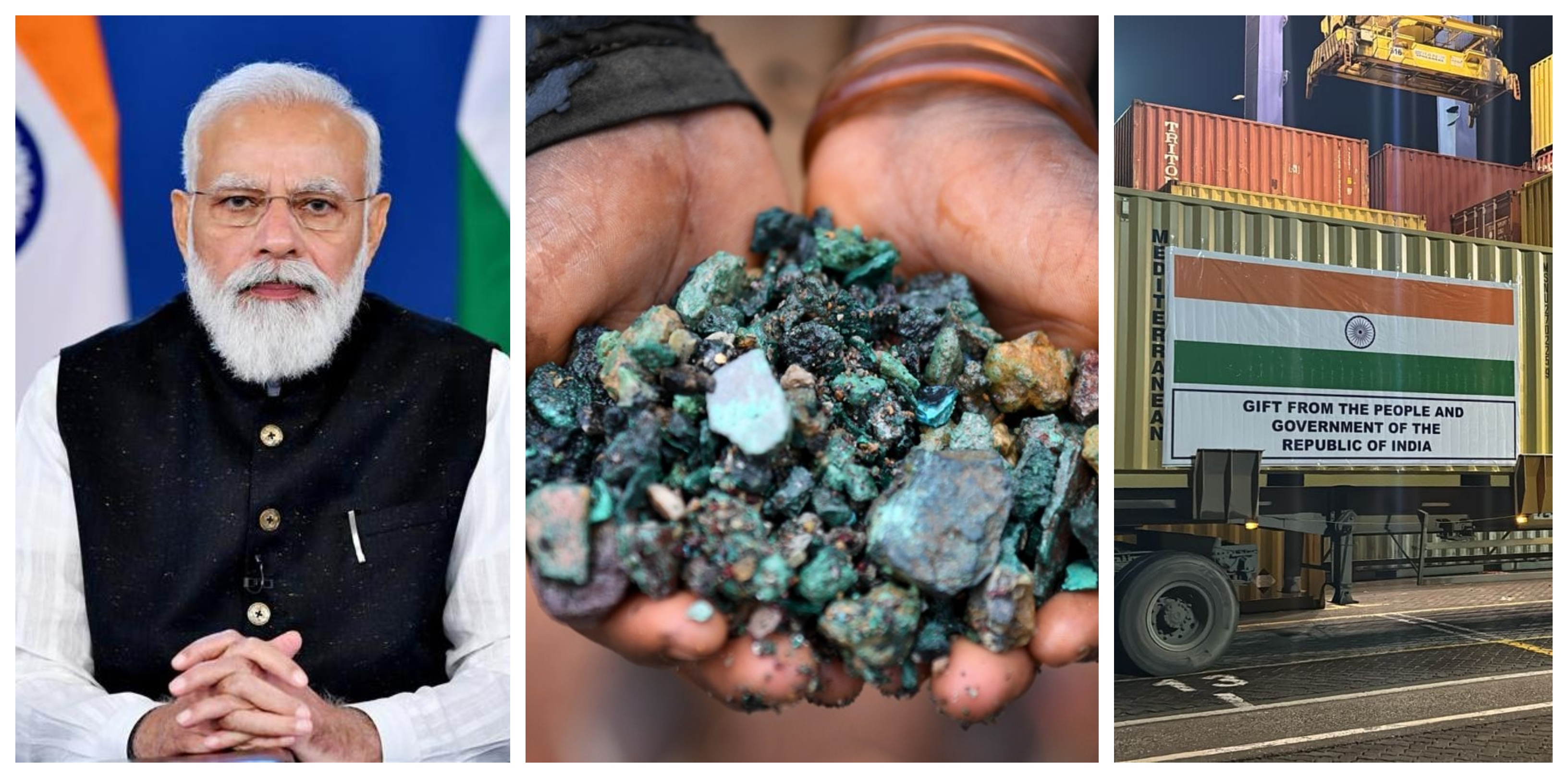


India has increased its humanitarian outreach across Africa, delivering thousands of tonnes of rice to countries facing food shortages, while also signalling a broader push to strengthen its presence in the continent’s strategic mineral sector alongside global powers.
- India has expanded its humanitarian aid in Africa, delivering thousands of tonnes of rice to countries facing food crises.
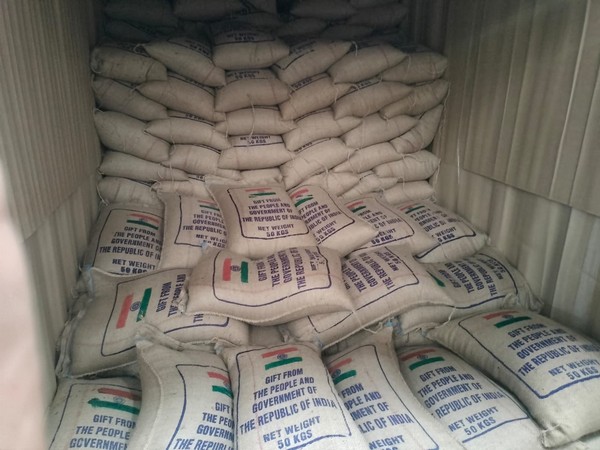
- Recent shipments included 1,000 tonnes to Burkina Faso, 1,000 tonnes to Malawi amid drought, and 500 tonnes plus relief supplies to flood-hit Mozambique.
- These aid efforts reflect India's commitment to partnership with the Global South and mirror approaches by China and the US to strengthen ties in Africa.
- India is planning a deeper push into Africa's strategic mineral sector, aiming for value-driven partnerships in technology and capacity building to enhance supply chain resilience amid global energy uncertainties.
In recent weeks, New Delhi has sent food aid to three African countries. Burkina Faso received 1,000 metric tonnes of rice to support vulnerable communities and internally displaced persons.
The shipment was confirmed by India’s Ministry of External Affairs spokesperson Randhir Jaiswal, who said the move reflects India’s commitment to humanitarian assistance and partnership with countries in the Global South.
Earlier in March, India dispatched 1,000 metric tonnes of rice to Malawi following a severe drought linked to the El Niño weather pattern. The crisis has left more than four million people facing acute food shortages, with the government declaring a state of disaster.
India also responded to flooding in Mozambique by sending 500 metric tonnes of rice and additional relief supplies, including tents, hygiene kits and medicines, as part of its humanitarian assistance and disaster relief efforts.
Global powers and mineral competition
The series of aid deliveries comes as Africa continues to attract strong interest from global powers, with India increasingly adopting elements of the engagement strategies used by China and the United States.
China’s approach has centred on financing infrastructure such as railways, ports and power projects in exchange for long-term access to natural resources.
The United States, on the other hand, has focused on supporting private sector investment and building strategic supply chains backed by infrastructure corridors.
With both powers already deeply embedded across the continent, India’s recent humanitarian outreach points to a similar entry path, using aid and diplomacy to build relationships that can support longer-term economic interests.
India signals deeper push into Africa’s mineral sector
A recent paper by the Centre for Social and Economic Progress, cited by Energyworld, stated that “India must pursue value-driven critical minerals diplomacy in Africa,” focusing on partnerships that include technology transfer and capacity building.
The paper linked this push to rising global energy risks. It noted that disruptions around the Strait of Hormuz have exposed vulnerabilities in global supply chains.
Tensions involving the United States and Iran have affected oil flows through the route, prompting countries to rethink energy security and diversify supply sources.
It said supply chain resilience cannot rely only on rerouting cargo, but must also come from diversifying the critical mineral inputs needed for batteries, power grids and renewable energy systems.
The paper added that as mineral-rich African countries shift from peripheral players to key actors in global supply chains, “India has a timely opportunity to pursue deeper collaboration with renewed urgency and strategic purpose.”