Pope Leo XIV’s Historic African Journey and the Dawn of a New Hope
History isn’t just written in books; sometimes, it’s written in the dust of a thousand dancing feet at a Luanda airport and the silence of a shared prayer in an Algiers mosque. From April 13 to 23, 2026, the world’s eyes turned toward the African continent as Pope Leo XIV—the first-ever U.S.-born Pontiff—embarked on a [...]
 Black News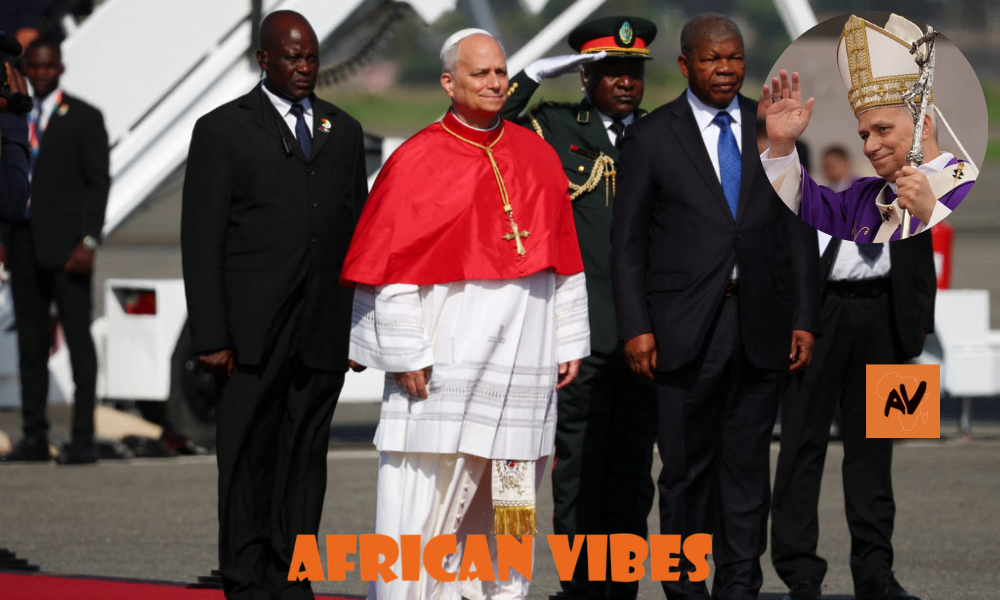
History isn’t just written in books; sometimes, it’s written in the dust of a thousand dancing feet at a Luanda airport and the silence of a shared prayer in an Algiers mosque. From April 13 to 23, 2026, the world’s eyes turned toward the African continent as Pope Leo XIV—the first-ever U.S.-born Pontiff—embarked on a monumental 11-day apostolic journey.
This wasn’t just a routine diplomatic circuit. With over 288 million Catholics now calling Africa home—representing 20.3% of the global total and the fastest Church growth worldwide—the message was clear: Africa is no longer the “mission territory” of the past; it is the vibrant, beating heart of the modern Church. Amidst the complexity of global conflicts and the rising tide of climate change, Pope Leo XIV stepped onto African soil not as a distant monarch, but as a “pilgrim of peace,” reinforcing a contemporary African lifestyle that balances deep-rooted faith with a bold vision for the future.
A New Pope for a Changing Continent
Elected in May 2025, Pope Leo XIV (born Robert Francis Prevost) brought a unique perspective to the Holy See. Raised in Chicago with a background in the Augustinian order, his papacy has been defined by a “theology of encounter.” His decision to visit Africa so early in his tenure was a strategic nod to the continent’s growing demographic weight.
For decades, the Vatican has watched the “center of gravity” shift south. While secularism thins pews in Europe, African parishes are overflowing. This visit was the culmination of invitations from leaders like Cameroon’s Paul Biya and Angola’s João Lourenço, seeking not just spiritual guidance but a moral partner in navigating the complexities of post-colonial development and regional stability.
Faith Under Fire: The Leo-Trump Dispute
While the Pope was preaching peace in African conflict zones, a storm was brewing back in his home country. The journey was marked by an unprecedented public dispute with U.S. President Donald Trump. The tension began when the Pope criticized the ongoing war in Iran, asserting that “God does not bless those who drop bombs.”
President Trump responded sharply on social media, calling the Pope “weak on crime” and a “captive to the left.” As the media narrative pitted the “White House vs. the Vatican,” Pope Leo XIV used his flight from Cameroon to Angola to set the record straight. He insisted his messages were prepared weeks in advance for the African people, not as a political jab at Washington.
“I am not a politician,” he stated calmly. “I am a pastor. It is not in my interest to debate the President; it is my interest to follow the Gospel.” This refusal to be drawn into Western political theatrics further endeared him to African audiences who often feel their local issues are overshadowed by global superpowers.
Algeria: Walking the Path of the Greats
The journey began in Algeria (April 13–15), marking the first time a Pope has ever visited this Muslim-majority Mediterranean powerhouse. The symbolism was breathtaking. Pope Leo XIV stood in the Great Mosque of Algiers, beneath the world’s tallest minaret, alongside Algerian religious leaders.
“I am here among you as a brother,” the Pope remarked, his voice echoing through the vast marble hall. “We are travelers on the same path toward the One God.”
By visiting the Basilica of Our Lady of Africa and honoring the 19th-century martyrs, the Pope bridged the gap between Algeria’s Christian history (home to St. Augustine) and its modern Islamic identity. It was a masterclass in interfaith dialogue, proving that even in a nation where Christians are a tiny minority, the “culture of encounter” can flourish.
ALSO READ: Human Rights Watch Accuses Burkina Faso of War Crimes. Traoré Responds
Cameroon: The Miracle of the Bamenda Ceasefire
If Algeria was about dialogue, Cameroon (April 15–18) was about the raw, transformative power of peace. Since 2017, the “Anglophone Crisis” in the Northwest and Southwest regions has claimed over 6,500 lives. But as the Pope’s plane touched down in Yaoundé, a miracle occurred: separatist factions declared a temporary ceasefire.
In Bamenda, the epicenter of the conflict, the Pope celebrated a “Mass for Reconciliation.” He did not mince words, calling out “tyrants of greed” and those who profit from war. His presence gave a voice to the voiceless, like Fr. Jude Niba and the thousands of displaced families who have seen their schools shuttered and farms burned.
- The Impact: The visit forced a national conversation on the Church’s role as a mediator, shifting the narrative from “security operations” to “human dignity.”
Angola and Equatorial Guinea: Youth, Faith, and the Future
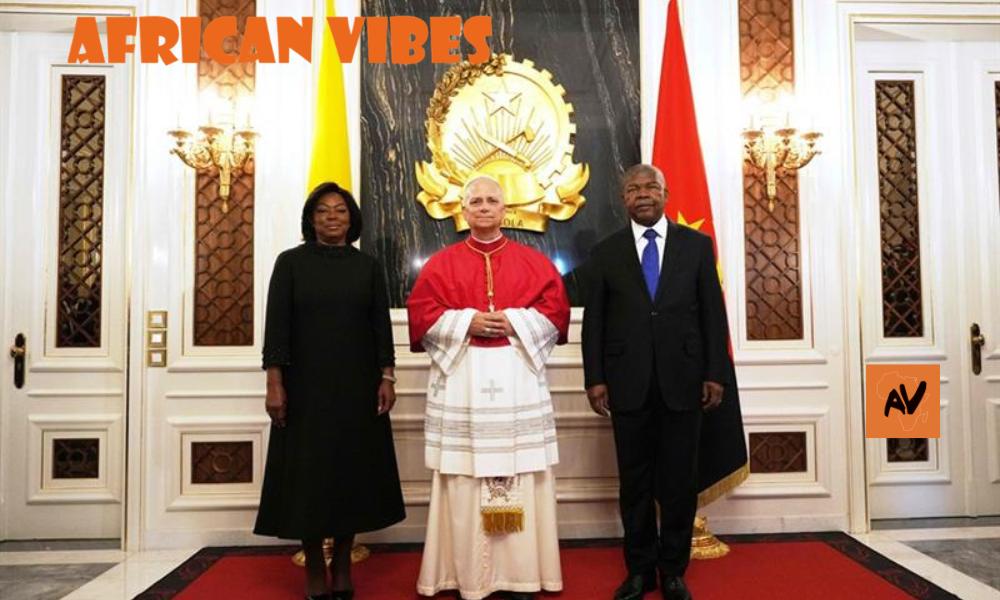
The latter half of the trip focused on the “Rising Africa.” In Angola (April 18–21), the Pope engaged with a nation still healing from decades of civil war but hungry for economic sovereignty. At the Muxima Sanctuary, he prayed for the “mothers of Africa,” acknowledging the pivotal role women play in the continent’s development.
The journey concluded in Equatorial Guinea (April 21–23), where the focus shifted to the youth. In Bata Stadium, thousands of young Africans—the “Afronistas” of faith—showcased the vibrant energy of the African tech startups generation and the African fashion trends that blend tradition with modernity. The Pope’s message was a call to action: “Do not let the world steal your hope. Your talent is the greatest resource of this land.”
ALSO READ: Burkina Faso’s Pivot to Russia: Traoré’s Russia Visit Bold New Foreign Policy
Key Themes: The “Leo Legacy” in Africa
- Reconciliation: From the “voices in the bushes” in Cameroon to the civil war scars in Algeria, the Pope consistently championed forgiveness over vengeance.
- Economic Justice: He critiqued “neocolonial” economic structures, echoing African Union calls for monetary sovereignty and fair trade.
- Climate Stewardship: Linking faith to the land, he urged a rejection of “extractive greed” that depletes Africa’s natural beauty.
Conclusion
Pope Leo XIV’s 2026 Apostolic Journey was more than a religious event; it was a validation of Africa’s role as a global leader in moral and spiritual thought. As the crowds dispersed in Malabo and the white smoke of the “popemobile” faded into the sunset, the resonance of his words remained.
Africa is not just the future of the Church; it is the present. By embracing its diversity, celebrating its progress, and confronting its challenges with “the hand that gives,” the continent is setting a new standard for global solidarity.