India turns to Africa's 2 largest oil producers for millions of Barrels of crude amid strait of Hormuz supply concerns
Africa's leading oil exporters are gaining ground in one of the world's largest energy markets as Indian refiners increase purchases from Nigeria and Angola amid supply disruptions in the Middle East and a broader effort to diversify crude sources.
 Black News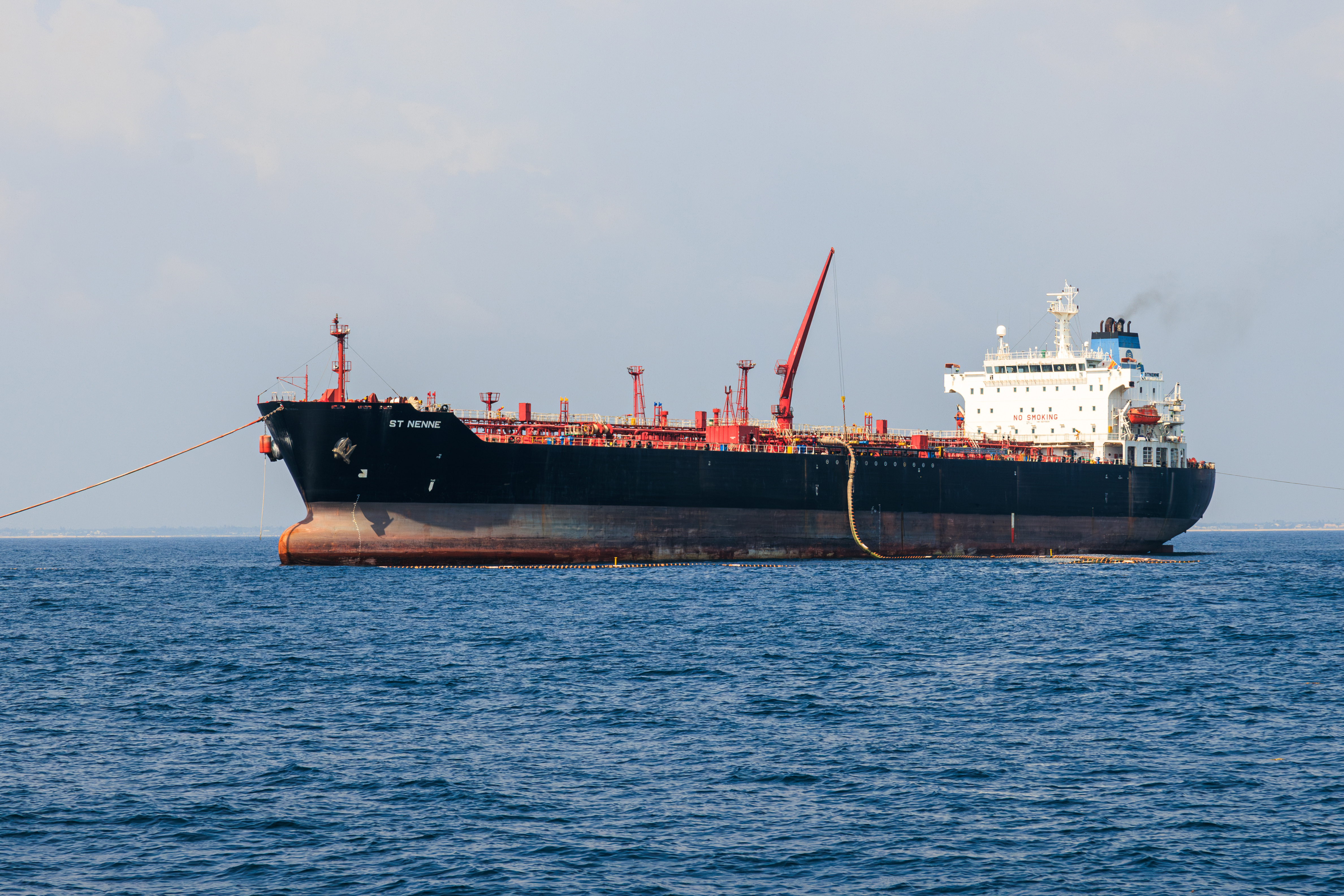


Africa's leading oil exporters are gaining ground in one of the world's largest energy markets as Indian refiners increase purchases from Nigeria and Angola amid supply disruptions in the Middle East and a broader effort to diversify crude sources.
- Indian refiners are increasing oil imports from Nigeria and Angola due to supply disruptions in the Middle East and a push to diversify sources.
- India began diversifying its crude suppliers before the latest crisis, with purchases from Africa, the Middle East, and Latin America, partly due to Western pressure to cut Russian imports.
- Nigeria and Angola, as Africa's main oil exporters, are benefiting from India's growing demand, which is boosting export earnings and strengthening trade ties.
- Supply risks, particularly through the Strait of Hormuz amid regional conflicts, are accelerating India's shift toward alternative oil suppliers.
Since late 2025, Indian energy companies have been deepening engagement with African oil producers, particularly Angola, as New Delhi seeks to strengthen its long-term energy security and diversify crude supply sources.
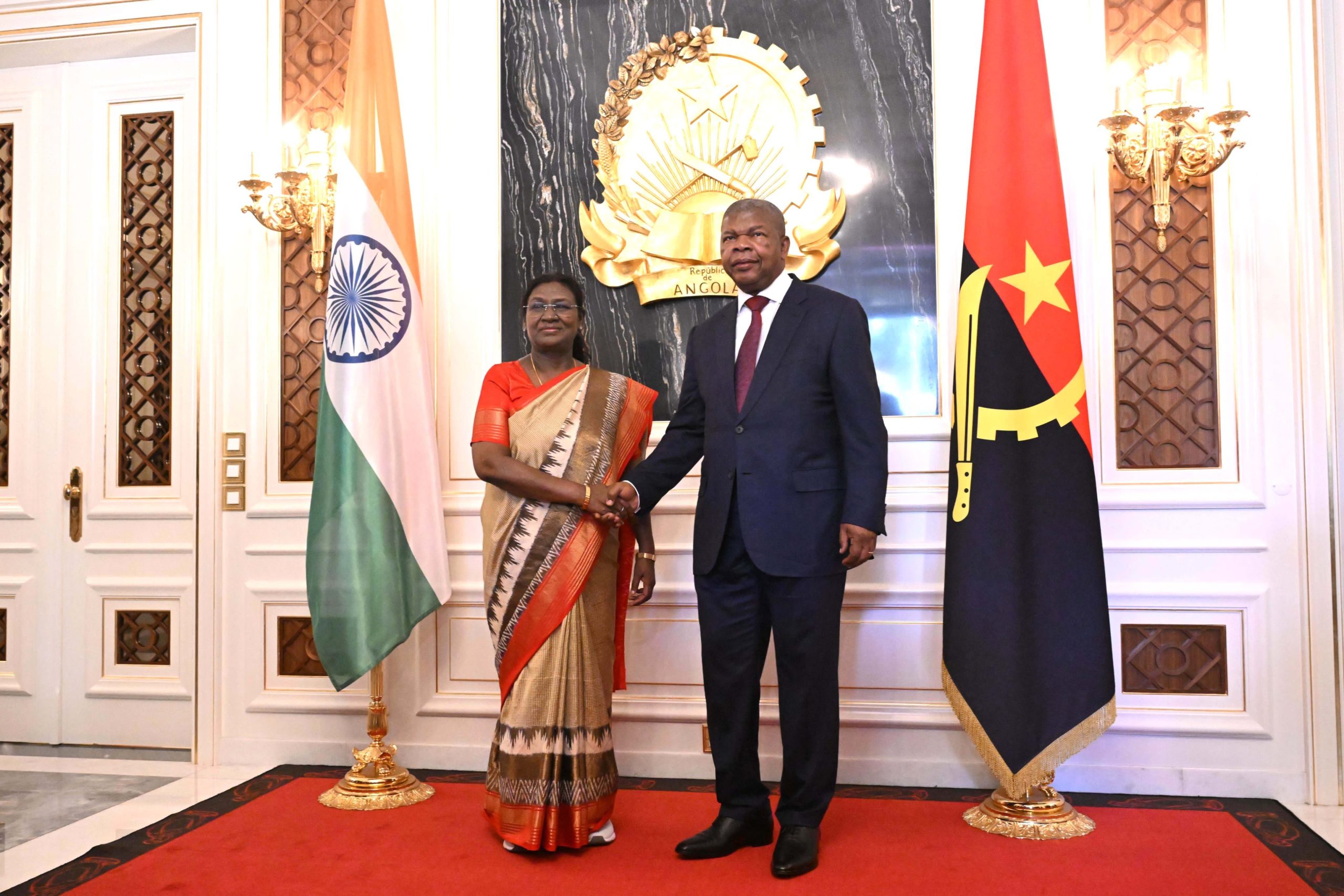
During a four-day state visit to Angola, Indian President Droupadi Murmu said Indian oil and gas companies were interested in securing long-term crude purchase agreements with African producers, a push that now appears to be gaining momentum.
State-owned Indian Oil Corp. (IOC), India's largest refiner, last week purchased 5 million barrels of crude through a tender that included cargoes from West Africa and the Middle East, according to trade sources.
According to The Economic Times, the purchases included Angola's Kissanje and Nemba crude grades for delivery to IOC's Paradip refinery and Nigeria's Usan crude from ExxonMobil for delivery to Vadinar.
The company also secured Murban crude from Abu Dhabi for delivery to its refineries in Vadinar and Chennai.
West African cargoes reportedly traded at premiums of about $4 per barrel to dated Brent, highlighting strong demand for African crude.
India imports more than 80% of its crude requirements, making it one of the world's most important export markets for oil-producing nations.
Middle East Risks Accelerate the Shift
Preliminary data from Kpler shows Indian refiners increased imports from Angola, Nigeria, Venezuela and Brazil in April and May as they sought alternatives to supplies exposed to disruptions in the Middle East.
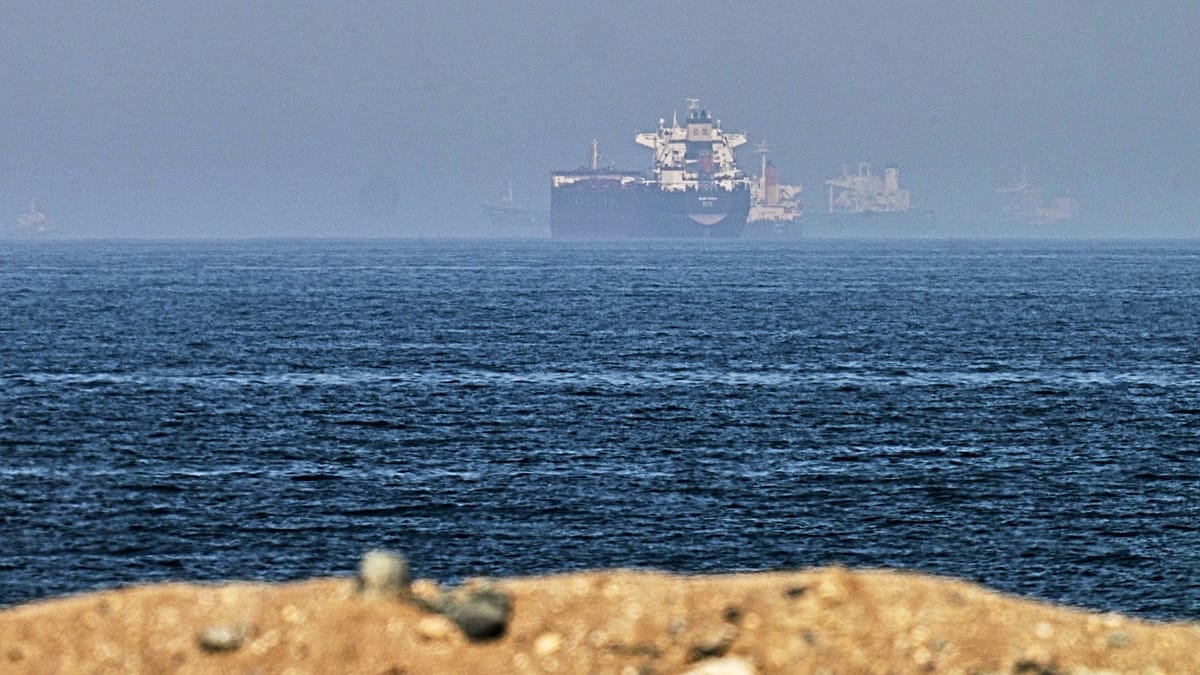
The changes were driven partly by concerns over shipping through the Strait of Hormuz following conflict involving Iran, Israel and the United States.
As one of the world's most important oil transit routes, any disruption to the waterway has significant implications for global energy markets, prompting refiners to broaden their supplier base.
India's Diversification Strategy Started Before the Latest Crisis
Earlier this year, IOC purchased about 2 million barrels of crude for March delivery as it accelerated efforts to diversify supplies from Africa, the Middle East and Latin America.
According to Reuters, the company acquired one million barrels each of Angola's Hungo and Clove crude grades from ExxonMobil.
The purchases came as Washington increased pressure on New Delhi to reduce purchases of discounted Russian crude.
Faced with sanctions targeting Russian energy exports and uncertainty over future supplies, Indian refiners began sourcing more oil from alternative producers, including those in Africa.
The United States later granted temporary waivers that allowed India to continue receiving certain Russian cargoes following disruptions linked to the Iran conflict, helping stabilise global oil markets.
Nigeria and Angola Emerge as Key Beneficiaries
Nigeria remains Africa's largest oil producer and exporter, while Angola pumps about 1.1 million barrels per day, making it Sub-Saharan Africa's second-largest producer.
Both countries produce grades that are highly valued by Asian refiners because of their quality and fuel yields.
Growing demand from India could support export earnings and deepen commercial ties between Africa and one of the world's fastest-growing energy consumers.