Lake Manyara national park: A hidden gem of wildlife and scenic beauty
ARUSHA: LAKE Manyara National Park is located at the base of the Great Rift Valley escarpment in northern Tanzania. Positioned between Arusha and the Ngorongoro Highlands, it is one of the most accessible parks in Tanzania’s northern safari circuit. The park covers an area of about 330 square kilometres, although nearly two-thirds of this area … The post Lake Manyara national park: A hidden gem of wildlife and scenic beauty first appeared on Daily News. The post Lake Manyara national park: A hidden gem of wildlife and scenic beauty appeared first on Daily News.
 Black News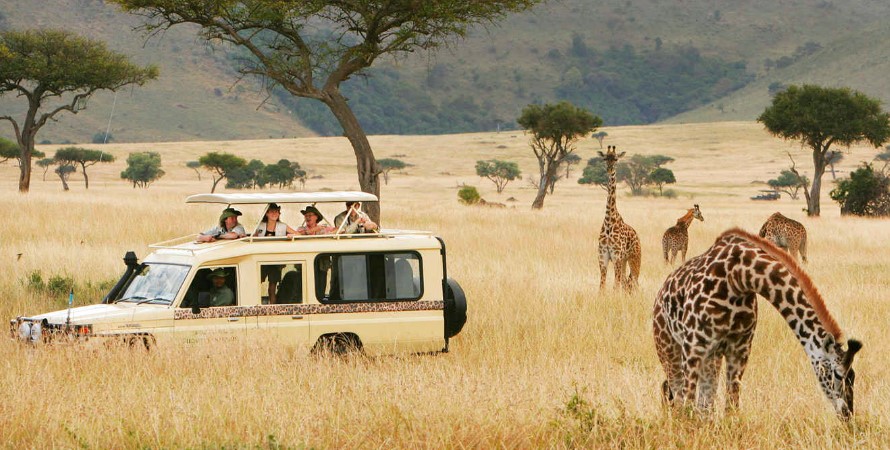
ARUSHA: LAKE Manyara National Park is located at the base of the Great Rift Valley escarpment in northern Tanzania. Positioned between Arusha and the Ngorongoro Highlands, it is one of the most accessible parks in Tanzania’s northern safari circuit.
The park covers an area of about 330 square kilometres, although nearly two-thirds of this area is occupied by the shallow alkaline waters of Lake Manyara itself.
Despite its relatively small size compared to other national parks in Tanzania, Lake Manyara offers remarkable ecological diversity and a rich wildlife experience. The park is widely known for its varied landscapes, which include dense groundwater forests, open grasslands, acacia woodlands, hot springs, and the alkaline lake.
This combination of habitats supports a wide range of wildlife species and makes the park unique among East African safari destinations. The dramatic backdrop of the Great Rift Valley escarpment further enhances the natural beauty of the area and provides impressive scenery for visitors throughout the year.
Wildlife in Lake Manyara National Park includes elephants, giraffes, zebras, buffaloes, wildebeests, warthogs, hippos, and large troops of baboons.
The park is particularly famous for its tree-climbing lions, a rare behaviour that is not commonly observed in other parts of Africa. These lions are often seen resting on tree branches during the daytime, especially during hot hours when they avoid the heat on the ground.
Although scientists continue to debate the exact reasons for this unusual behaviour, it has become one of the park’s most recognised attractions. Lake Manyara is also an important destination for birdwatching.
The park supports more than 400 bird species, making it one of Tanzania’s richest bird habitats. Flamingos are commonly seen along the shores of the lake, especially during certain seasons when water conditions are favourable.
Other bird species found in the park include pelicans, herons, storks, hornbills, kingfishers, cormorants and African fish eagles. Migratory birds from Europe and Asia also visit the park at different times of the year, increasing its importance among international bird enthusiasts and researchers.
ALSO READ: Tanzania affirms ties with Algeria, Zambia as they welcome its envoys
The groundwater forest inside the park creates a cool and shaded environment filled with large fig, mahogany, and acacia trees. Underground springs originating from the Ngorongoro Highlands continuously feed this forest, allowing thick vegetation to survive even during dry seasons.
This area supports monkeys, bushbucks, elephants, and numerous bird species, creating a peaceful and natural atmosphere for visitors moving through the forest zone. Blue monkeys and vervet monkeys are frequently seen in the tree canopy, while baboons are commonly observed along the roads.
One of the unique features of Lake Manyara National Park is its ability to provide what many visitors describe as a “short but complete safari experience.” Unlike larger parks that may require long hours of driving between wildlife viewing areas, Lake Manyara allows travellers to experience forests, open plains, lakeshores and wildlife zones within a relatively short period.
This makes the park especially attractive for tourists with limited travel time or those beginning their safari journey in northern Tanzania. Early morning game drives are particularly rewarding because wildlife is more active during the cooler hours of the day.
Elephants can often be seen moving quietly through the forest, while giraffes and zebras graze peacefully across the open plains. Hippos are usually visible near water pools, and birds become highly active during sunrise.
The calm atmosphere during the early morning also improves photography opportunities, with soft natural lighting and clear views of the surrounding landscape and escarpment. In addition to game drives, the park offers other activities such as canoeing during suitable water conditions, guided nature walks, and cultural visits to nearby communities.
Visitors also have the opportunity to explore the famous hot springs locally known as “Maji Moto,” which are located in the southern section of the park. These geothermal springs provide another interesting natural feature that adds to the park’s diversity.
Lake Manyara National Park also holds strong educational and scientific value. Its diverse ecosystems provide a real-life example of how forests, wetlands, grasslands, and savannah environments interact within one protected area.
Students, conservationists, and researchers regularly visit the park to study biodiversity, wildlife behaviour, bird migration, and environmental conservation. The park therefore plays an important role not only in tourism but also in ecological education and scientific research in Tanzania. Another significant aspect of the park is its contribution to eco-tourism and conservation.
Many lodges, camps, and tour operators around the area follow sustainable tourism practices designed to protect natural resources while supporting local communities through employment and community development projects.
Conservation programs within and around the park also help protect wildlife habitats and reduce environmental damage.
This balance between tourism and conservation ensures that Lake Manyara National Park remains preserved for future generations while continuing to benefit surrounding communities.
The park’s location also makes it an important stop within Tanzania’s famous northern safari circuit, which includes Serengeti National Park, Ngorongoro Conservation Area, and Tarangire National Park.
Many travelers include Lake Manyara in their itineraries because of its accessibility, scenic beauty, and diverse wildlife experiences. Lake Manyara National Park’s compact size, combined with its rich variety of wildlife, birdlife, and landscapes, makes it a convenient destination for both short visits and extended safari tours.
It continues to attract local and international visitors seeking a peaceful yet rewarding wildlife experience in northern Tanzania.
Its unique blend of natural beauty, ecological importance, and accessibility ensures that it remains one of Tanzania’s most valued national parks.
The post Lake Manyara national park: A hidden gem of wildlife and scenic beauty first appeared on Daily News.
The post Lake Manyara national park: A hidden gem of wildlife and scenic beauty appeared first on Daily News.