Memphis May Pause Its AI Boom — Then Start It Right Back Up
A proposed moratorium could temporarily halt Memphis’ data-center boom. But new regulations could quickly reopen development without addressing activists’ central concern: why Black neighborhoods keep bearing the environmental burden. The post Memphis May Pause Its AI Boom — Then Start It Right Back Up appeared first on Word In Black.
 Black News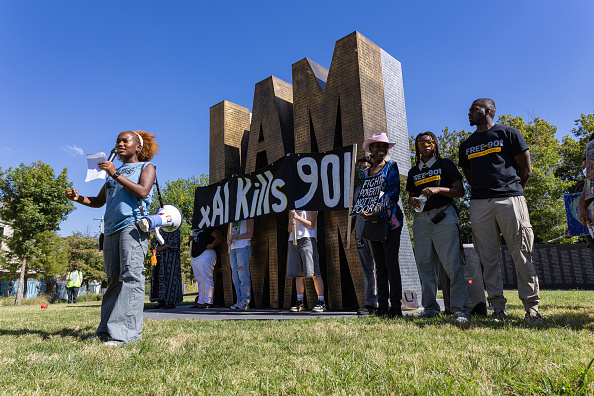

After Elon Musk rapidly expanded his massive Memphis data-center operation in predominantly Black communities of the city — triggering complaints about pollution, noise, and a lack of government transparency — residents urged the City Council to call a time-out.
Yet even as a one-year moratorium on new data construction cleared two of three procedural votes toward passage, Council Member Philip Spinosa Jr. introduced a competing proposal that will not stop the clock.
LEARN MORE: The EPA Could Make It Harder to Fight Polluting Data Centers
Comparing the AI boom to the Cold War space race, Spinosa said his proposal would more tightly regulate future data-center development but would not block construction of more facilities in other areas of Memphis.
Critics, however, say the move, which could enforce emissions standards and other pollution regulations, ignores the environmental-justice concerns that prompted demands for a pause. Indeed, the council’s own attorney said those regulations would make the moratorium moot and open the door to more data centers in underserved, vulnerable communities.
Targeted Communities
For activists who had explicitly demanded a halt to development, the message was hard to miss: Memphis could give them the pause they wanted, yet simultaneously create the mechanism to make it disappear.
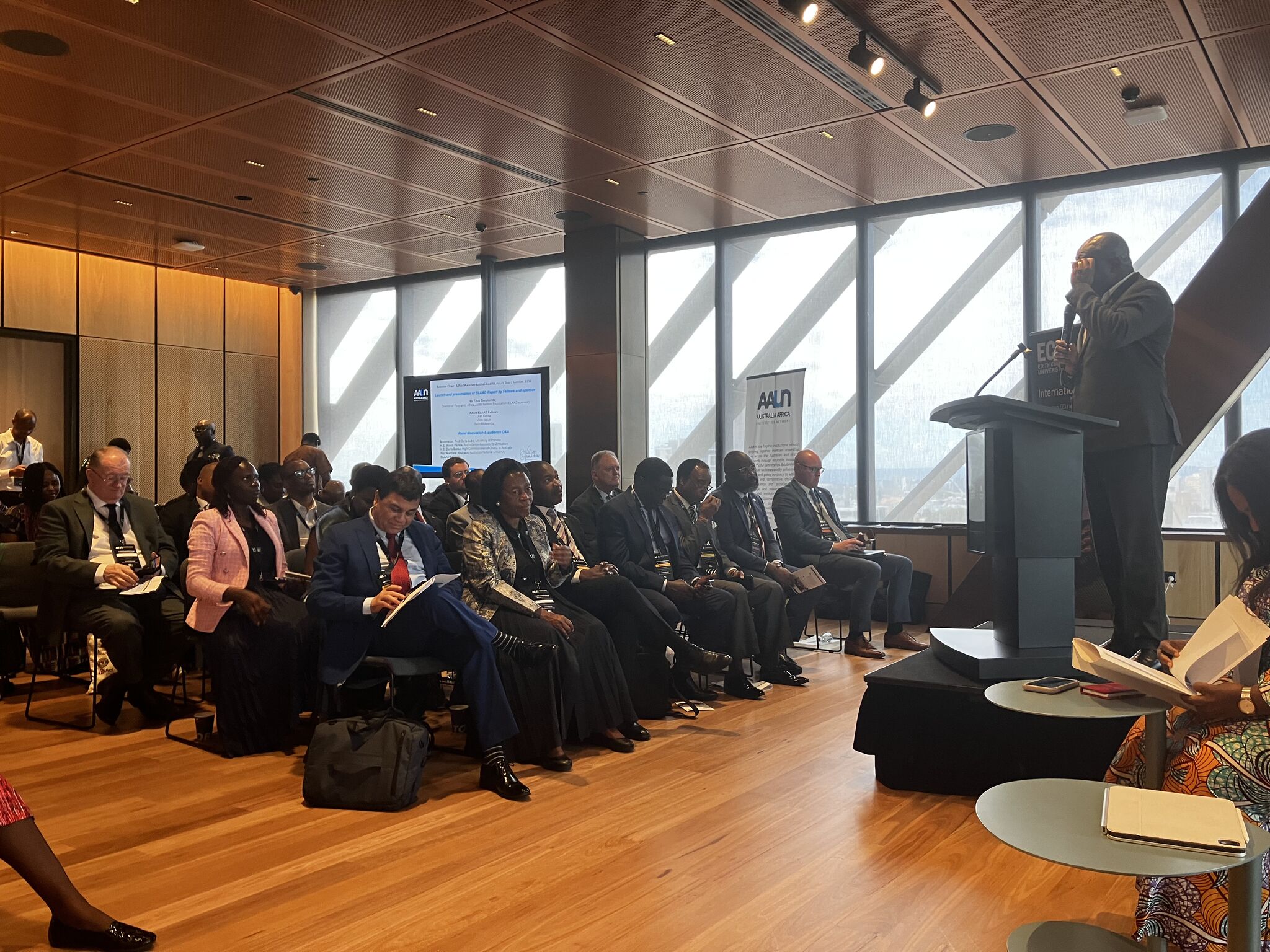
“Philip Spinosa introduced a framework for data centers that we didn’t ask for as a response to our ask for a very clear data center moratorium,” community organizer Amber Sherman said at the meeting, according to the Memphis Flyer. “My question is, why do members of this body often disregard what the community is asking for — especially the white [members]?”
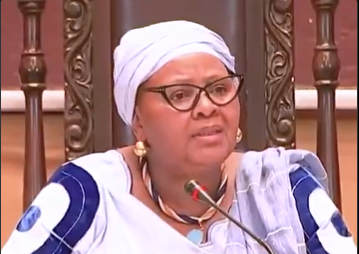
Council Member Yolanda Cooper-Sutton, one of two Black co-sponsors of the data center moratorium proposal, also noted that the Spinosa framework does not address the fact that the data centers already built in Memphis have all been built in Memphis’s Black neighborhoods.
“My question is, why do members of this body often disregard what the community is asking for — especially the white [members]?”
Amber Sherman, Memphis community activist
But Spinosa, who represents a predominantly white district, brushed off the criticism. He argued that the city should ensure everyone benefits from such development, and that data centers shouldn’t be built solely on the terms of private companies like xAI.
“Memphis has an opportunity to change the game,” Spinosa said during the committee meeting, according to Yahoo! News. “We have not exercised our leverage to benefit the entire community.”
At the center of the fight are Musk’s Colossus data centers, the massive complex that has made Memphis ground zero for the environmental-justice backlash to the AI boom.
National Test Case
Part of the operation sits in Boxtown, a historic Black community in South Memphis founded by freedmen in 1863, where residents already lived with decades of industrial pollution before Musk’s project arrived. To power Colossus, Musk’s company installed nearly 70 natural gas-fired turbines without initially obtaining air permits, prompting complaints about potential health effects in surrounding neighborhoods.
The controversy has since become a national test case for a larger question shadowing AI’s explosive growth: whether predominantly Black communities, already disproportionately burdened with warehouses and factories, will once again bear the environmental costs of a lucrative new industry.
The yearlong moratorium was proposed last month, shortly after Musk announced he would build yet another data center on land his company already owns in Whitehaven.
Spinosa’s guidelines include certain protections for neighborhoods forced to live alongside new data centers. But the proposal, as opponents and Spinosa’s colleagues quickly pointed out, lacks any framework to keep data centers out of Black communities.
RELATED: AI’s Data Center Boom Keeps Finding Black Communities
As Musk continues to develop other data centers and power plants in Whitehaven and just across the border in Southaven, Mississippi—both predominantly Black neighborhoods—permitting issues keep arising.
During the Sept. 1 meeting, Allan Wade, the lawyer who represents the Memphis City Council, made it clear that if the council passes a regulatory framework, the moratorium would no longer be necessary.
“What [the framework] does is move the ball down the road faster than a year,” Wade said. “Once you have something in place that regulates the playing field, the moratorium is not needed anymore. You can’t continue a moratorium indefinitely.”
The post Memphis May Pause Its AI Boom — Then Start It Right Back Up appeared first on Word In Black.