Mozambique Launches AGCCI Programming Camp to Close Gender Digital Divide
The Government has reaffirmed its commitment to digital inclusion and women’s empowerment through the African Girls Can Code Initiative (AGCCI) Programming Camp, currently taking place ......
 Black News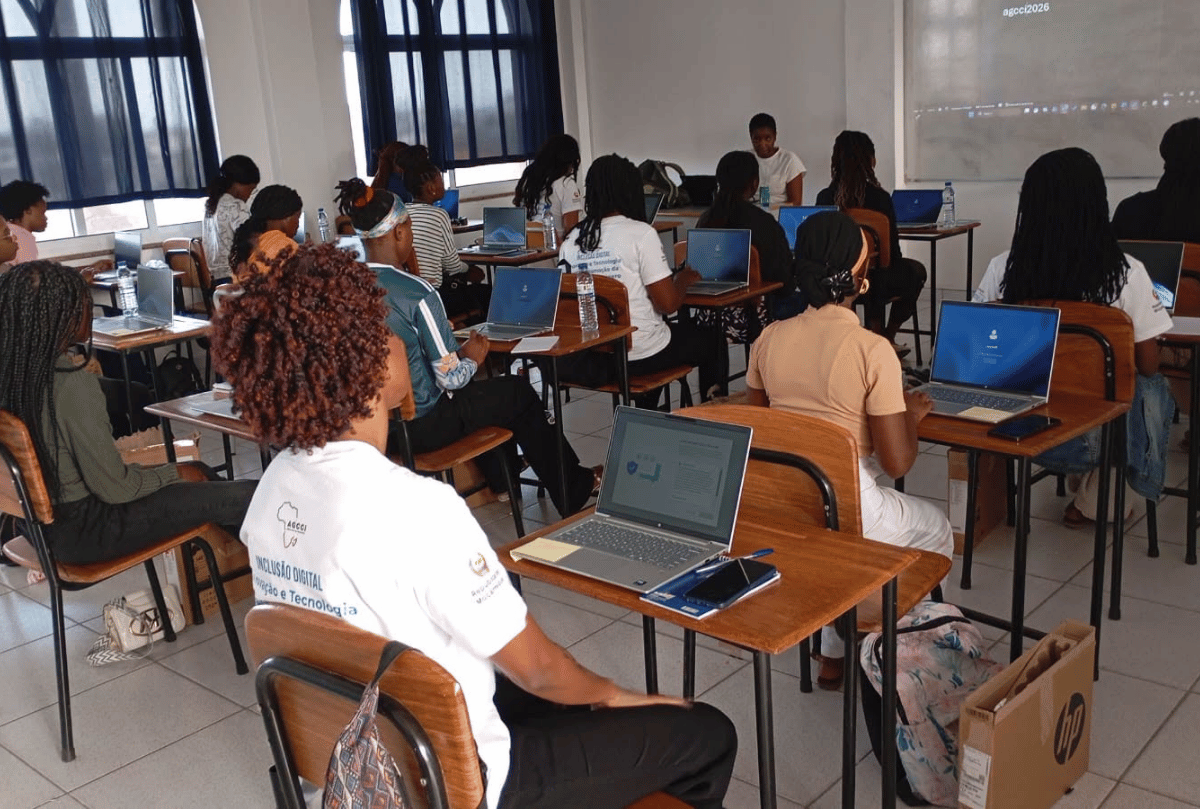
The Government has reaffirmed its commitment to digital inclusion and women’s empowerment through the African Girls Can Code Initiative (AGCCI) Programming Camp, currently taking place from 15 to 28 June 2026 at the Mozambique College of Economics and Management in Beira City, Sofala Province.
The programme is designed to equip young people, particularly girls, with essential digital skills to help them integrate into the Information and Communication Technology (ICT) and STEM sectors. It also aims to reduce the gender digital divide while strengthening women’s participation in economic and social development.
The AGCCI is a continental initiative implemented by UN Women, in partnership with the African Union and the International Telecommunication Union (ITU). It focuses on training African girls in coding, digital skills, innovation, entrepreneurship, and leadership, while encouraging their active participation in the digital economy and sustainable career pathways.
This year’s camp brings together 100 girls aged between 17 and 25 from Beira City and surrounding districts, including Buzi, Marromeu, Cheringoma, Muanza, Nhamatanda, Maríngue, Dondo, Gorongosa, and Caia. Participants are receiving hands-on training in programming, innovation, entrepreneurship, and technological leadership.
The initiative is being implemented through collaboration between UN Women and several government institutions, including the Ministry of Communications and Digital Transformation (MCTD), the Ministry of Education and Culture (MEC), and the Ministry of Gender, Child and Social Action (MGCAS), alongside the Sofala Provincial Social Affairs Service and the Catholic University of Mozambique.
Officials noted that the programme reflects a strong government commitment to inclusive digital transformation, human capital development, and the empowerment of young women as drivers of innovation, entrepreneurship, and sustainable development.