Report alleges over 1,400 Africans recruited into Russia’s war in Ukraine, with hundreds killed
A new investigation has alleged that more than 1,400 African nationals have been recruited to fight for Russia in the war in Ukraine, with over 300 reportedly killed, raising fresh concerns about foreign engagement programmes targeting young people across the continent.
 Black News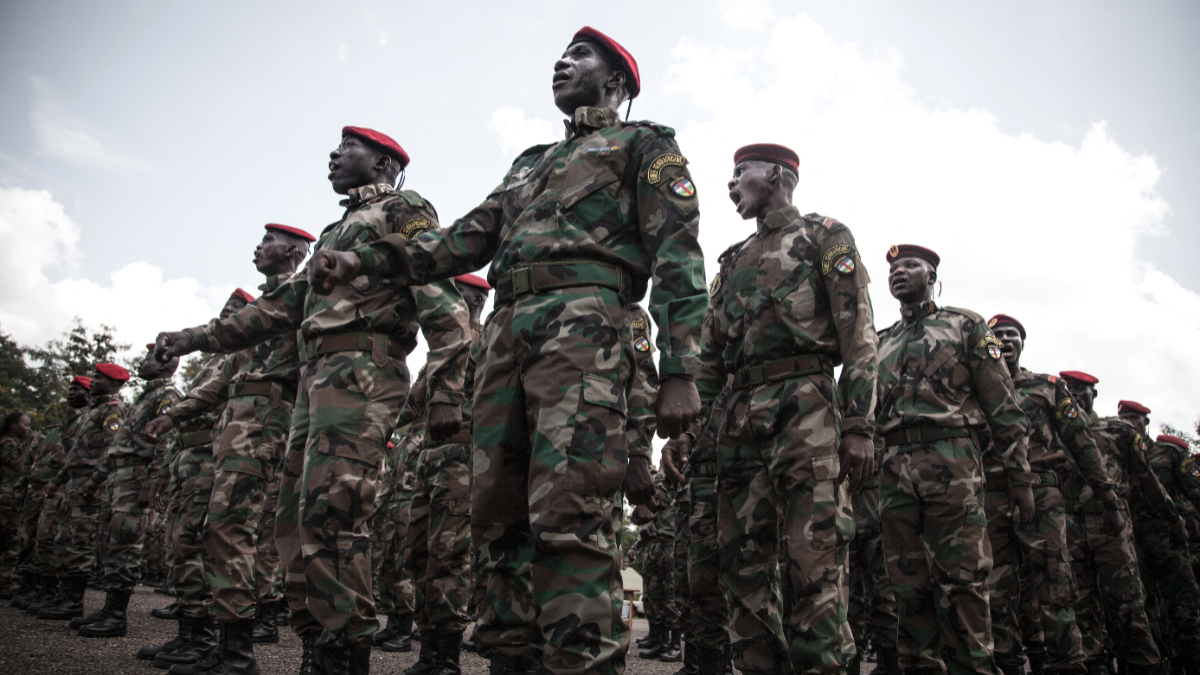

![New recruits for the Central African Armed Forces (FACA) march in formation during an award presentation in Berengo on August 4, 2018. Russian military consultants have set up training for the Central African Armed Forces and the Internal Security Forces after delivering weapons to the country. [Photo by FLORENT VERGNES / AFP) (Photo by FLORENT VERGNES/AFP via Getty Images]](https://ocdn.eu/pulscms/MDA_/a2a2980c3c2d6f998f0db9749016205d.jpg)
A new investigation has alleged that more than 1,400 African nationals have been recruited to fight for Russia in the war in Ukraine, with over 300 reportedly killed, raising fresh concerns about foreign engagement programmes targeting young people across the continent.
- An investigation claims over 1,400 Africans were recruited to fight for Russia in Ukraine between 2023 and 2025.
- At least 316 deaths have been reported, contradicting official Russian denials.
- Evidence suggests some recruits were lured through education and job opportunities abroad.
- The findings are intensifying scrutiny of foreign programmes and Africa’s role in global power dynamics.
The report, published by INPACT, claims that at least 1,417 individuals from countries including Nigeria, Ghana, Kenya, Uganda, and South Africa were enlisted between 2023 and 2025. It estimates that at least 316 have died in combat.
The findings appear to contradict repeated denials from Russian officials. In late 2025, diplomat Natalia Krasovskaya said during a briefing in Accra that African students in Russia were safe and engaged solely in academic activities. Similarly, Russia’s ambassador to Nigeria, Andrey Podyelyshev, described earlier reports of Nigerian involvement in the conflict as “misleading.”
However, accounts from returnees, relatives, and independent observers cited in the report suggest a different narrative, pointing to alleged cases of deception and coercion. According to the investigation, some recruits were initially drawn by promises of scholarships, employment, or training opportunities, only to be redirected into military roles after arriving in Russia or territories under its control.
Particular attention has been drawn to cultural and educational centres commonly known as Russian Houses. While these institutions officially promote language learning and exchange programmes, the report raises concerns that some may have functioned as informal recruitment channels.
In Ghana, the investigation links recruitment trends to partnerships involving Novosibirsk State Technical University, claiming that 272 Ghanaians joined Russian forces, with at least 55 reported dead. In Kenya, revised figures cited in the report indicate that fatalities may have risen from earlier estimates of 10 to at least 16.
![Russia's President Vladimir Putin. [Getty Images]](https://ocdn.eu/pulscms/MDA_/acca42dcf1aa79f5e0c4b1356ed8b7b7.jpg)
Russian authorities have not publicly acknowledged any state-backed recruitment of African nationals into the conflict. Analysts say the gap between official statements and emerging claims risks deepening mistrust across African countries.
“This is no longer just about diplomacy or cultural exchange,” one regional security analyst said. “It raises serious ethical and security questions about how foreign engagements are conducted and who ultimately bears the risk.”
The allegations come amid broader geopolitical competition for influence in Africa, where global powers have expanded their presence through security cooperation, investment, and education initiatives. Critics argue that such engagements, while often framed as mutually beneficial, may also serve strategic interests linked to the war.
For affected families, the issue has taken on a more immediate human dimension. Reports of missing relatives, unclear travel arrangements, and deaths far from home have left many communities seeking answers.
Governments in several African countries are now facing growing calls to investigate recruitment networks, strengthen oversight of foreign programmes, and improve protections for citizens pursuing opportunities abroad.
Since the start of the Russia-Ukraine War in February 2022, African nations have largely maintained neutral diplomatic positions. However, the conflict’s wider impact has been felt across the continent, including rising food and fuel costs and shifting international alliances.
The latest findings are likely to intensify scrutiny of foreign partnerships and increase pressure on diplomatic missions and affiliated organisations to provide clearer assurances about their activities.
While the claims remain contested, the report has prompted a wider debate about transparency, accountability, and the risks facing young Africans drawn into global conflicts.