Right-Wing Supreme Court Kills 1965 Voting Rights Act. Republicans Now Moving To Suppress Black Votes…
By Jen Rice|Democracy Docket Photos: YouTube Screenshots|Wikimedia Commons The Democracy Docket team spent a lot of time over the past months guessing when the U.S. Supreme Court (SCOTUS) would release its consequential ruling in Louisiana v. Callais. But I don’t think we could ever have predicted what actually happened Wednesday. The court issued the ruling just in the nick of time for Florida Gov. Ron DeSantis (R), as lawmakers prepared to take their final votes on a gerrymandered congressional map that the governor repeatedly claimed was drawn to comply with Callais — even though the ruling had not yet been issued. Now, the Florida fight heads to court. We’re still digesting the Callais ruling and all of its possible implications, but the dominoes are already starting to fall. As someone who has previously reported on catastrophic weather events, I can tell you that Wednesday felt like covering a hurricane. Republicans have potentially gained up to 11 more seats in Congress — five in Texas, one in Missouri, one in North Carolina and four in Florida. Democrats have potentially picked up 10 seats — five in California, one in Utah and four in Virginia. But the maps still face legal challenges in Virginia, Florida and Missouri. Supreme Court guts Voting Rights Act, greenlights GOP gerrymanders Other media outlets pulled their punches in their Callais headlines, but let’s be clear: This week, the Supreme Court gutted the Voting Rights Act of 1965. In her dissent, Justice Elena Kagan said that the changes made by the court’s conservative majority “eviscerate the law.” Kagan, joined in dissent by Justices Sonia Sotomayor and Ketanji Brown Jackson, wrote what amounts to a eulogy for legislation considered to be the crown jewel of the U.S. Civil Rights Movement. “The Voting Rights Act is — or, now more accurately, was — ‘one of the most consequential, efficacious, and amply justified exercises of federal legislative power in our Nation’s history.’ It was born of the literal blood of Union soldiers and civil rights marchers. It ushered in awe-inspiring change, bringing this Nation closer to fulfilling the ideals of democracy and racial equality,” Kagan wrote. “And it has been repeatedly, and overwhelmingly, reauthorized by the people’s representatives in Congress. Only they have the right to say it is no longer needed—not the Members of this Court.” The bottom line: Now, there will be virtually no limit to red states’ ability to draw district lines that undercut minority voters’ political power. And in response, Republicans are already rushing to redraw maps, with President Donald Trump cheering them on. Louisiana announced Thursday it’s postponing its primaries, allowing it to pass a new map that could eliminate up to two Democratic-held districts. And officials in Tennessee and Georgia are signaling that they, too, may try for new gerrymanders ahead of the midterms, potentially killing off three more Democratic seats between them. Democrats have said they may respond with their own redraws in New York, Illinois, Maryland, and Colorado, but those likely wouldn’t come until after the midterms. Florida passes GOP gerrymander, sending map to DeSantis Florida is now the fourth GOP-controlled state to redraw its congressional map at Trump’s demand. But unlike in Texas, Missouri and North Carolina, Republicans in Florida face their own major hurdle: Voters passed a constitutional amendment banning partisan gerrymandering over a decade ago. That didn’t stop DeSantis from releasing a proposed map Monday that was immediately rushed through committee hearings Tuesday and approved by both the state House and Senate Wednesday. The legislature did not make a single change to the district lines based on public input. Democratic lawmakers didn’t mince words ahead of the final votes. They called out their Republican colleagues for serving the president over their own voters. “Let’s not pretend that this is a real process. This is about acquiescing. This is about power. This is about relinquishing our power and giving it to the president,” State Sen. LaVon Bracy Davis (D) told lawmakers. “And we should all feel some kind of way that before it was presented to the legislature, it was presented on Fox News. It was rolled out on national media, color coded in red and blue, as if the outcome was already decided. As if our process did not matter. As if this body, and the work we are supposed to do, did not matter.” Virginia Supreme Court allows ruling blocking redistricting vote to stand — for now Unlike in Florida — where Republicans’ redistricting plan didn’t get voter input and violates a ban on partisan gerrymanders — Virginia Democrats’ new map was just approved by voters in a special election last week. Even so, the courts could nullify it. On Monday, the Virginia Supreme Court heard oral arguments in one of three pending Republican challenges to th
 Black News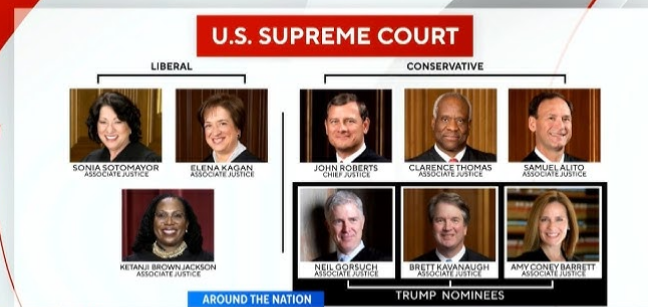
By Jen Rice|Democracy Docket
Photos: YouTube Screenshots|Wikimedia Commons
The Democracy Docket team spent a lot of time over the past months guessing when the U.S. Supreme Court (SCOTUS) would release its consequential ruling in Louisiana v. Callais. But I don’t think we could ever have predicted what actually happened Wednesday.

The court issued the ruling just in the nick of time for Florida Gov. Ron DeSantis (R), as lawmakers prepared to take their final votes on a gerrymandered congressional map that the governor repeatedly claimed was drawn to comply with Callais — even though the ruling had not yet been issued. Now, the Florida fight heads to court.
We’re still digesting the Callais ruling and all of its possible implications, but the dominoes are already starting to fall. As someone who has previously reported on catastrophic weather events, I can tell you that Wednesday felt like covering a hurricane.

Republicans have potentially gained up to 11 more seats in Congress — five in Texas, one in Missouri, one in North Carolina and four in Florida. Democrats have potentially picked up 10 seats — five in California, one in Utah and four in Virginia. But the maps still face legal challenges in Virginia, Florida and Missouri.
| Supreme Court guts Voting Rights Act, greenlights GOP gerrymanders |
Other media outlets pulled their punches in their Callais headlines, but let’s be clear: This week, the Supreme Court gutted the Voting Rights Act of 1965. In her dissent, Justice Elena Kagan said that the changes made by the court’s conservative majority “eviscerate the law.”
Kagan, joined in dissent by Justices Sonia Sotomayor and Ketanji Brown Jackson, wrote what amounts to a eulogy for legislation considered to be the crown jewel of the U.S. Civil Rights Movement.
“The Voting Rights Act is — or, now more accurately, was — ‘one of the most consequential, efficacious, and amply justified exercises of federal legislative power in our Nation’s history.’ It was born of the literal blood of Union soldiers and civil rights marchers. It ushered in awe-inspiring change, bringing this Nation closer to fulfilling the ideals of democracy and racial equality,” Kagan wrote. “And it has been repeatedly, and overwhelmingly, reauthorized by the people’s representatives in Congress. Only they have the right to say it is no longer needed—not the Members of this Court.”
The bottom line: Now, there will be virtually no limit to red states’ ability to draw district lines that undercut minority voters’ political power.
And in response, Republicans are already rushing to redraw maps, with President Donald Trump cheering them on. Louisiana announced Thursday it’s postponing its primaries, allowing it to pass a new map that could eliminate up to two Democratic-held districts. And officials in Tennessee and Georgia are signaling that they, too, may try for new gerrymanders ahead of the midterms, potentially killing off three more Democratic seats between them.
Democrats have said they may respond with their own redraws in New York, Illinois, Maryland, and Colorado, but those likely wouldn’t come until after the midterms.
| Florida passes GOP gerrymander, sending map to DeSantis |

| Florida is now the fourth GOP-controlled state to redraw its congressional map at Trump’s demand. But unlike in Texas, Missouri and North Carolina, Republicans in Florida face their own major hurdle: Voters passed a constitutional amendment banning partisan gerrymandering over a decade ago. |
That didn’t stop DeSantis from releasing a proposed map Monday that was immediately rushed through committee hearings Tuesday and approved by both the state House and Senate Wednesday. The legislature did not make a single change to the district lines based on public input.
Democratic lawmakers didn’t mince words ahead of the final votes. They called out their Republican colleagues for serving the president over their own voters.
“Let’s not pretend that this is a real process. This is about acquiescing. This is about power. This is about relinquishing our power and giving it to the president,” State Sen. LaVon Bracy Davis (D) told lawmakers. “And we should all feel some kind of way that before it was presented to the legislature, it was presented on Fox News. It was rolled out on national media, color coded in red and blue, as if the outcome was already decided. As if our process did not matter. As if this body, and the work we are supposed to do, did not matter.”
| Virginia Supreme Court allows ruling blocking redistricting vote to stand — for now |
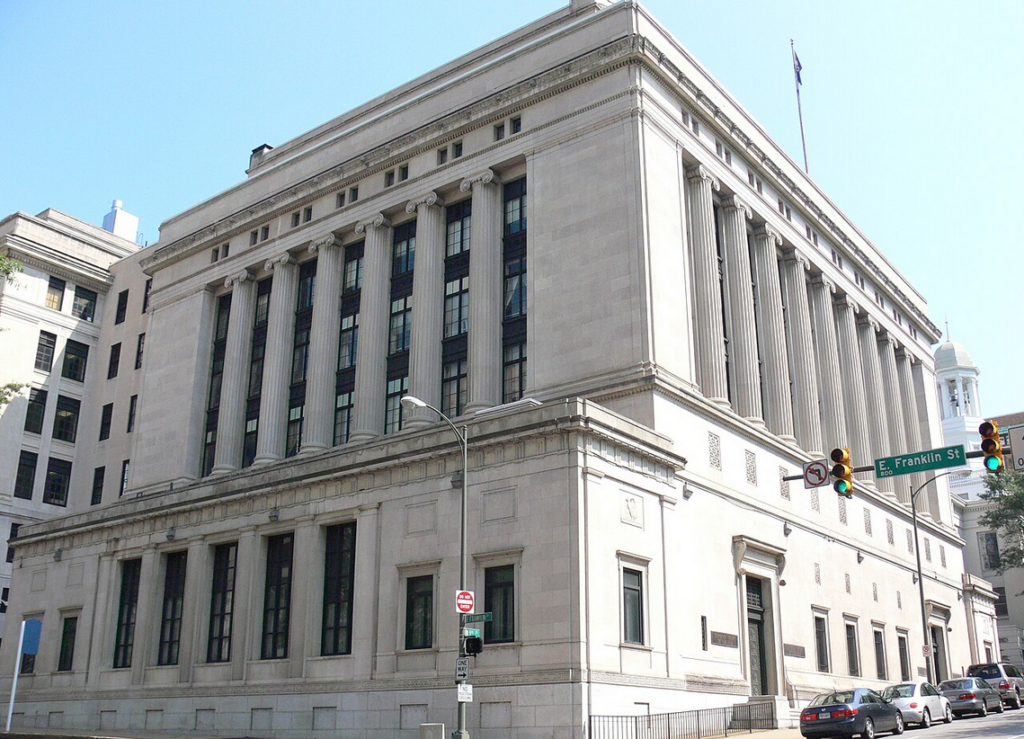
Unlike in Florida — where Republicans’ redistricting plan didn’t get voter input and violates a ban on partisan gerrymanders — Virginia Democrats’ new map was just approved by voters in a special election last week. Even so, the courts could nullify it.
On Monday, the Virginia Supreme Court heard oral arguments in one of three pending Republican challenges to the redistricting plan. (In case you missed it: We liveblogged the arguments for you, which you can find over here.)
The next day, the Virginia Supreme Court delivered a surprising – and, frankly, concerning – order denying Democrats’ request in a similar case to pause a lower court ruling blocking certification of the special election. The order means that, at least for now, election officials across the state may not move forward with certifying the election results.
The state’s highest court is now deciding whether the redistricting election — and the new congressional map voters supported — is illegitimate on technical grounds. Democrats, meanwhile, have argued that the court should not nullify the will of the voters. By law, state election officials must certify the special election by May 5, but the closer we get to this deadline without additional instructions from the court, the more likely it becomes that Democrats will get an unfavorable ruling.
As Virginia Solicitor General Tillman J. Breckenridge told the court, “It would be patently unfair to override the people’s vote because of a concern that they had not gotten the opportunity to voice their opinion months earlier.”