UpScrolled’s Wild West
The new social media platform promised unrestricted content and a commitment to free speech. It didn’t expect jihadists. The post UpScrolled’s Wild West appeared first on Moment Magazine.
 Black News
Opening UpScrolled is a lot different than opening other social media apps. On Instagram, for example, I might see a comedy sketch and a clip from an interview with singer Billie Eilish, where she tells National Geographic about her climate anxiety.
But on UpScrolled, it’s impossible to look away from political and global issues, including one of the most pressing humanitarian crises of our time—the Israel-Hamas war. Flotilla updates, dispatches from Gazan doctors, video essays about Palantir’s influence within the military, calls for boycotts and informational front-facing videos from creators have flooded the app, which was launched in 2025.
Gazans themselves have used UpScrolled as a way to crowdsource funds and document daily life. “I fight hunger and despair to protect my family,” @sofyan1, a father whose home was destroyed, writes in his bio. “Our children know no laughter, only the sound of explosions.”
UpScrolled was founded by Palestinian technologist Issam Hijazi, who noticed, as did others, that the algorithms of platforms like X’s were weeding out political content. Hijazi strove to create an algorithm-free app that truly allows for free speech—promising it “will always remain impartial to political agendas, conflicts, and unjust views.” With no algorithm, it doesn’t control what people see upon entering the app. “Every voice gets equal power,” the UpScrolled website declares.
In January, the app had about 150,000 users. Now the number tops 5 million.
“Most [users] in this early growth period were drawn to the platform for the freedom to criticize Zionism and genocide without censorship,” says Tom Hall, a writer and content creator with over 40k UpScrolled followers and who frequently posts about Palestine.
Calls to join UpScrolled have intensified, coming from online creators who say that content on TikTok about Jeffrey Epstein and ICE was censored after Larry Ellison’s deal to purchase TikTok was announced in December.
Political commentator Guy Christensen was one critic: “Now that TikTok has fallen officially under control of Zionist billionaire and MAGA oligarch Larry Ellison, who bought this app on behalf of Israel to censor pro-Palestinian speech and speech criticizing the U.S. and Israeli regimes, I need you guys to switch apps,” he urged, adding in an X post that UpScrolled, on the other hand, “is founded by a Palestinian and promises no censorship and no billionaires.”
“When you have sympathizers and official and unofficial wings of ISIS operating on the platform, clearly there’s still systematic gaps in the content moderation.”
From the outbreak of the Israel-Hamas war, TikTok users have alleged that searches about Palestine were blocked and that posts about it were shadowbanned, meaning they would be shown to fewer people and receive less engagement. In early 2026, TikTok users posting about ICE after the killing of two American citizens in Minneapolis faced similar roadblocks. However, research published at the political news site Good Authority found no systemic evidence of changes, attributing the engagement drop to TikTok server outages, which the app stated.
X specifically is notorious for suppressing any sort of speech Elon Musk dislikes. This can range from suspending Palestinian journalists to certain phrases or terms, such as cis—an abbreviation for “cisgender,” which means anyone who is not transgender. (Meanwhile, racial and religious slurs go unpunished.) Musk once demanded employees reconfigure the algorithm to show more of his tweets after Joe Biden’s Super Bowl post outperformed his.
UpScrolled offers a remedy to this. “The biggest benefit is knowing that any content I share will not be shadowbanned or otherwise algorithmically restricted,” Hall says. “Simply put, people who follow me see my posts, and I see the posts of people I follow.”
Hall does cite current drawbacks to UpScrolled, including the lack of content moderation by human reviewers, which is the result of having a smaller developer team than most apps. He also notes the proliferation of “blatantly antisemitic content, some pornography, and some content that idealizes armed resistance,” he says. “I believe the antisemitic and pornographic content violates the app’s current rules, but I don’t know if supporting (or even celebrating) armed resistance does.”
UpScrolled avoids “viewpoint-based censorship,” meaning political or social perspectives. “Content is only restricted, removed, or otherwise moderated when it violates the UpScrolled Community Guidelines or applicable law,” its website reads. Prohibited conduct, it notes, includes but is not limited to “illegal activity, hate speech, harassment, bullying, explicit sexual content that violates the Community Guidelines, unlicensed copyrighted material, and conduct intended to cause harm.”
But sometimes, inappropriate content still makes its way through. In my own scrolling, one user alleged the recent Jewish holiday Purim allowed Jews to have kids “drunk, smoking cigarettes all day, and worse.” Eric Warsaw, a content creator, called the U.S.-Israel offensive against Iran “Operation Epstein,” doing so in a photo to avoid automatic content flagging. “Epstein is not a distraction, folks. Israel is connected to Epstein, ICE & the aggression against Iran,” another user posted in January. “We need to understand how all of this is linked & stop calling things ‘distractions.’”
This falls into the category of “awful but lawful” content, says Dr. Kye Allen, a research associate at Pattrn.ai. The terms of this will vary by nation, he says, pointing out that because of the United States’s liberal free speech laws, content allowed here might be classified as hate speech in Australia or Britain.
But in a piece published by the Global Network on Extremism & Technology, Allen found content past typical Holocaust denial or antisemitism on UpScrolled. There were terrorist and extremist videos, including uncensored clips of the New Zealand Christchurch shooting, Salafi-Jihadist content and ISIS propaganda—noth unofficial and from their official media wing, including beheadings and executions. “I was quite taken aback by the severity of the content,” he says.
These posts violate UpScrolled’s guidelines, yet remain on the app. “If we look at its terms and conditions, they’re pretty reasonable,” says Allen, but adds that “there’s a discrepancy between their stated policies and actual implementation of them.”
***
As is indicative of a broader discussion, criticism of Israel’s tactics, governments and ties to the United States morphs, on UpScrolled, into antisemitic theories about Jewish control, or even a pedophilic ring running America.
“Yet again Iran has been attacked by Israel in the midst of negotiations,” @tadhghickey, who moved to UpScrolled after being permanently banned from Instagram, posted after the attack in late February. “The Epstein regimes don’t want peace…They care only about destroying the planet and out [sic] humanity to line their pockets and protect their paedophile friends.” In another meme, Fred from Scooby Doo unmasks a villain labeled “America First” to reveal Jeffrey Epstein, identified as “Am Yisrael Chai.”
Sam David, a director for the Canadian Association for Security and Intelligence Studies Vancouver, has said that in early stages of user growth a platform tries to hook users by bombarding them with content of all different kinds, hoping they find some group to join in on. “Mechanisms may prioritize user retention through increased volume of heterogeneous content, increasing the likelihood that ideologically divergent material appears in proximity,” he wrote for VOX-Pol. UpScrolled’s lack of algorithm exacerbates this pattern.
Hizaji confirmed that UpScrolled’s content moderation team was unable to manage the upsurge of users early this year. The rapid growth led to security issues as well—earlier this month, Skyline International released a report saying the gaps in UpScrolled’s infrastructure allowed leaks of IP addresses and location data, as well as access of content thought to be deleted. (UpScrolled’s response included “promising commitments,” Skyline concluded.)
Another factor is UpScrolled’s dedication to pro-Palestinian voices and discourse, marketing itself as a haven for progressives and leftists. “But within that, there’s a cluster of individuals pushing it in an expressly antisemitic direction, rather than the realms of valid civic debate of, say, Israeli policy in Gaza or the West Bank,” Allen says.
Hall notes that the plethora of pro-Palestinian voices on UpScrolled includes some extreme voices who make the false connection that the actions of Israel reflect the beliefs of all Jews.

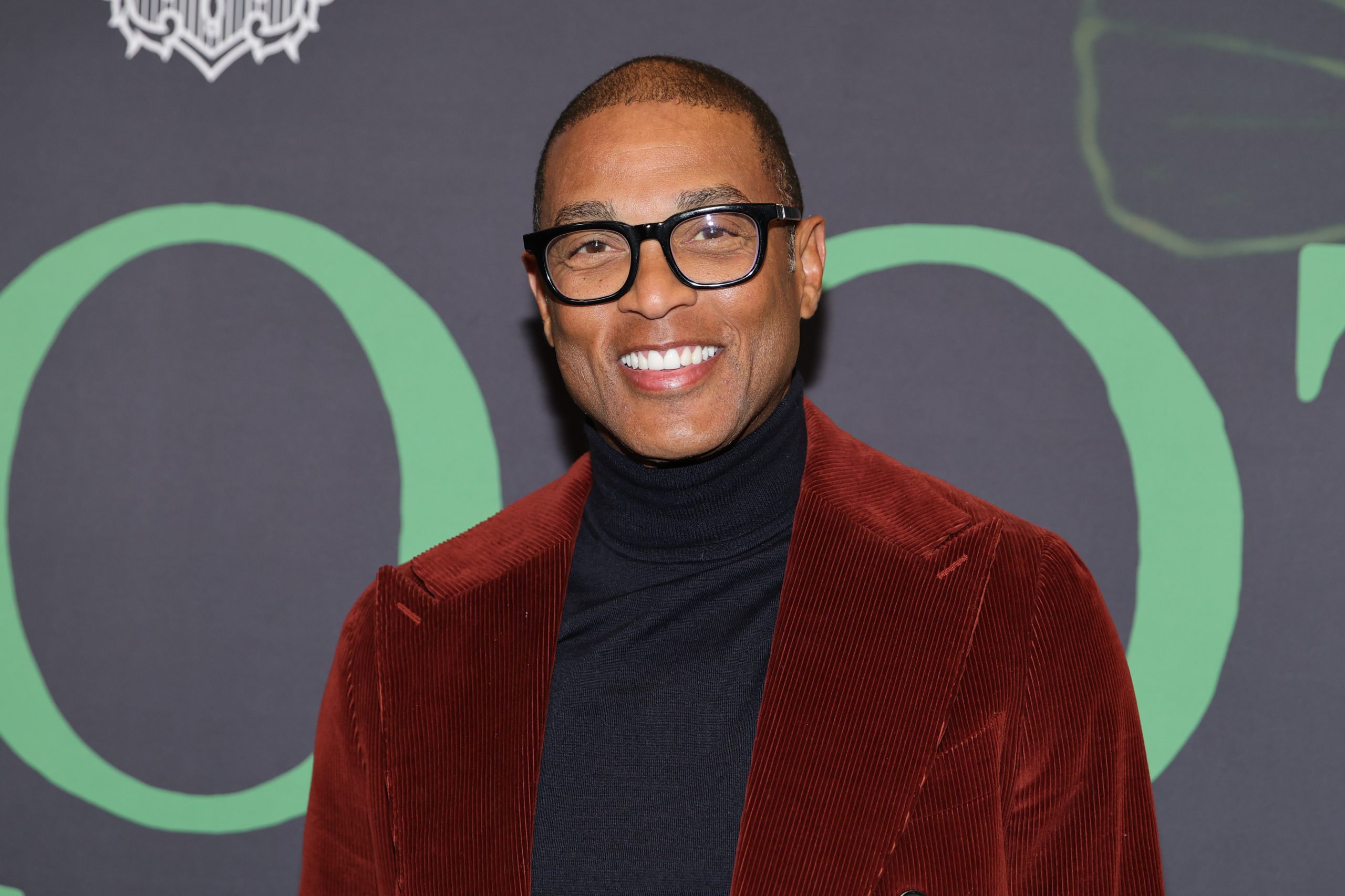
He also once participated in a panel on digital rights with Hizaji. Hall says he has “confidence in his leadership and commitment to upholding the values outlined in the rules and terms on the UpScrolled website,” noting that there have been updated community service guidelines and increased capabilities to support the user base. Some users, too, write that they have been banned before, which suggests some moderation.
Allen says during the upswing of users, most of the strategy in moderating content was self-reporting, turning the task over to users to identify incorrect content and flag it. “That reliance on a user-based content moderation approach won’t be entirely effective,” Allen says. “It relies on the individual who may not be sympathetic to those views, stumbling across it, then reporting it in turn.”
After a recent app update, before viewing certain posts or going onto a user’s profile, a disclaimer reads, “You may come across content that is explicit or sensitive. We actively moderate content, but some posts may appear before they are reviewed and could violate our community guidelines.”
However, some of the extremist content Allen saw when researching his article, written in late February, is still online. “When you have sympathizers and official and unofficial wings of ISIS operating on the platform, clearly there’s still systematic gaps in the content moderation,” he says.
***
For UpScrolled supporters, the app exists to fill a void in the media ecosystem that, too often, doesn’t allow a fair look at the realities of the Israeli-Palestinian conflict. X alone has mislabeled Palestinian journalists as living in different countries, become swamped with misinformation following October 7 and suspended accounts critical of the war.
But UpScrolled users, like Christensen, have taken this observation to extremes by suggesting that Israel is behind this repression, a reiteration of the antisemitic trope that the Jews control the world’s media and finances. “Zionist repression at every turn,” @RemiZanazi posted after UpScrolled was removed from the Google Play store. “The ADL is attacking the app. Zionists are going after Issam. No space is safe fo[r] Palestinians.” (Google Play has since reinstated the app).
“I believe the antisemitic and pornographic content violates the app’s current rules, but I don’t know if supporting (or even celebrating) armed resistance does.”
When Larry Ellison’s company, Oracle, acquired a stake in TikTok, New York magazine and +972 Magazine suggested that the family’s pro-Israel history might influence their grip on the media ecosystem (they had already acquired Paramount and CBS prior to this). The recent alleged speech limitations and shadowbanned ICE or Palestine content, thought to be pressure from the Trump regime, have persuaded people to make the switch to UpScrolled. “Zionists have ruined every social media app in America because they’re trying so hard to censor people from talking about them,” one user said in a video there.
“Grievance-based migration concentrates diverse sets of actors within the same digital space,” David, the Intelligence Studies director, wrote. “Civil liberties advocates, geopolitical activists, and conspiracy entrepreneurs may all interpret perceived censorship as validation of broader systemic critique.”
Activists searching for an app to use to freely criticize U.S. and Israeli foreign policy won’t be shadowbanned for doing so on UpScrolled. But with its current weakness in content moderation, it may alienate users who don’t want to see extremist content.
Allen believes that Hizaji’s—and his team’s—commitment to progressive values and desire for a free discussion forum is genuine and that the presence of toxic actors wasn’t UpScrolled’s intention.
“But if they aren’t able to sufficiently moderate the platform, that is going to undermine its appeal for a progressive audience,” he continues. “Young Democratic voters presumably aren’t going to want to be on the same platform with individuals, a few scrolls down, who are engaging in vitriolic discourse.”
The UpScrolled team’s response, Allen stresses, is critical in the next few months. “Unless they can engage in a more systemic content moderation, it will undermine the purpose of the platform and presumably, its user base.”
(Top image credit: Monetcruz Foto (CC BY-SA 4.0))
The post UpScrolled’s Wild West appeared first on Moment Magazine.