Seven foreigners in terror-related probe get bail yet Indian undertrials struggle to access rights
The broader concern is the protections in law are unevenly accessible.
 Black News
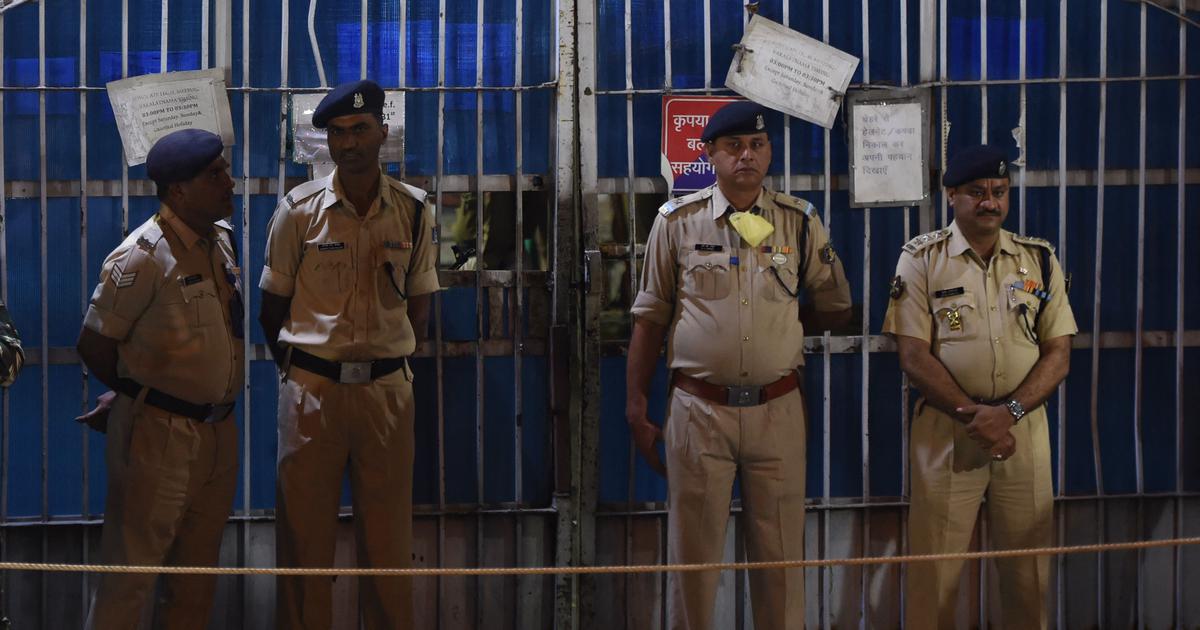

A Delhi Special Court’s decision to allow seven foreign nationals under National Investigation Agency investigation in a terrorism-related case to travel home for a month raises a constitutional question: how should criminal law balance national security, investigative deadlines and personal liberty?
The accused, an American national, Matthew Aaron VanDyke and six Ukrainian citizens were arrested in March 2026. The allegations included drone assembly, electronic warfare training and support to ethnic armed organisations along the Indo-Myanmar border.
However, after the statutory period for filing a chargesheet expired, the NIA’s report omitted substantive charges under the Unlawful Activities (Prevention) Act, 1967, and instead cited regulatory violations under the Foreigners Act, 1946. The agency maintained that its wider investigation into scheduled terrorism offences continued.
The Special Court for the NIA at Rouse Avenue, New Delhi, granted default bail and later allowed the accused to travel abroad, subject to personal bonds and diplomatic undertakings. They did not decide the merits of the allegations or represent judicial leniency; they enforced a statutory deadline. The central question is not why these foreign nationals secured release, but why comparable safeguards remain difficult for many Indian undertrials to exercise.
Default bail was provided under Section 167(2) of the Code of Criminal Procedure, 1973, and is now governed by Section 187 of the Bharatiya Nagarik...