Small debts, big consequences: The financial burden many overlook
By Victoria MejicanosAFRO Staff Writervmejicanos@afro.com For many Black Americans, the racial wealth gap has always been apparent. Race and zipcode have been proven to skew everything from credit scores to home values in Black neighborhoods. What can be underestimated are the impacts of smaller, unpaid fines. Municipal fines such as tickets and toll fees or […] The post Small debts, big consequences: The financial burden many overlook appeared first on AFRO American Newspapers.
 Black News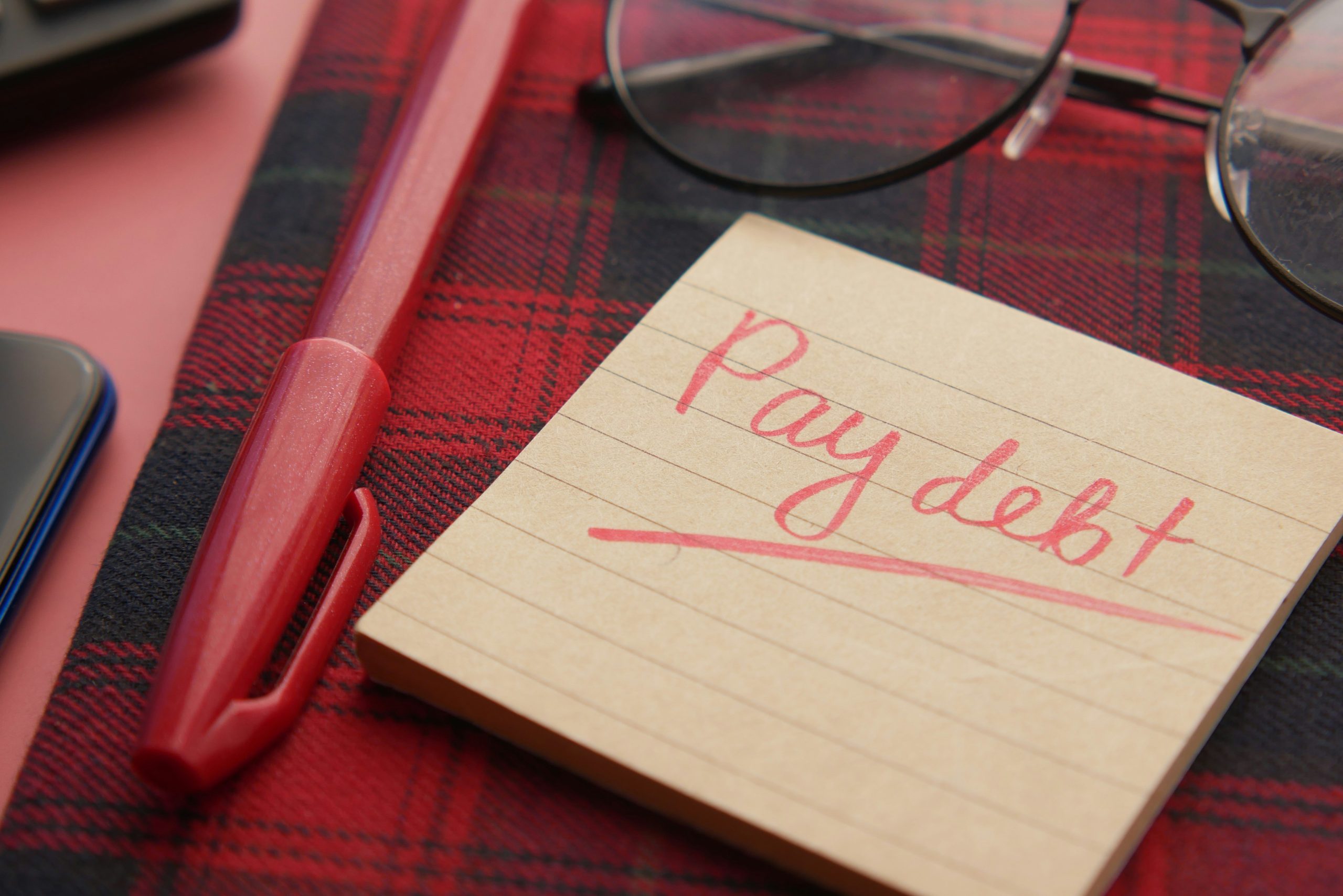

By Victoria Mejicanos
AFRO Staff Writer
vmejicanos@afro.com

For many Black Americans, the racial wealth gap has always been apparent. Race and zipcode have been proven to skew everything from credit scores to home values in Black neighborhoods. What can be underestimated are the impacts of smaller, unpaid fines.
Municipal fines such as tickets and toll fees or even a missed cell phone payment can easily spiral into debt. Whether or not it impacts their credit score depends on if the fee is reported to a debt collector, according to Odette Williamson Director of Racial Justice Advocacy at the National Consumer Law Center (NCLC).
“These are usually non-credit debts that were not created by a contract,” said Williamson. [When] you go in, and you don’t pay your library fines, there’s no contract with you and the library, it’s a fine or fee, so the credit bureaus will not typically report that–or, are not supposed to. But it may show up on the credit because the debt collector or collection agency is involved, and they may go and sue on that debt.”
According to a recent study published in the Journal of Banking and Finance, “Black and Hispanic borrowers are 52 percent more likely to experience a debt collection judgment compared to their counterparts.”
In addition to this disparity, there is also a rising number of debt collector harassment complaints to the Consumer Financial Protections Bureau (CFPB) across the nation according to a press release by Legal Rights Advocates, a nationally ranked consumer law firm.
What are my rights?
Williamson noted that generally, credit reporting agencies are prohibited from adding information about fines to credit reports. This is due to a 2015 multi-state settlement reached with several credit reporting agencies.
Williamson called current federal protections “multifaceted.” Consumers cannot be harassed. They also have the ability to dispute a debt and the credit bureaus must thoroughly investigate. If the debt is illegitimate, it must be removed from a consumer’s report. If someone is older and their income is protected, they can send a letter stating it.
According to The People’s Law Library of Maryland, a resource provided by the Thurgood Marshall State Law Library, “There are laws that protect certain income and assets from debt collectors.”
“Income that is protected from “garnishment” (legally deducted from your check as the result of a court judgment against you) includes:
- Public Assistance Benefits (TCA, TDAP)
- Workers Compensation
- Supplemental Security Income
- Social Security Benefits*
- State Police Pensions*
- Life Insurance or Annuity Proceeds
- Unemployment Insurance Benefits *
- Veterans Benefits*
- Retirement Benefits (most public and private pensions)*
“Child support or alimony may be taken from State Police Pensions, Unemployment Benefits, Social Security Benefits, and Veteran Benefits,” according to the law library.
Still, when it comes to harassment for debt, there are steps that can be taken to make it stop.
“If the debt collector is calling you and it’s inconvenient, you can send a stop or cease letter. You can certainly try to negotiate down the debt if, if that’s you know, more amenable for you, you can have them verify the debt. You can complain to the federal agencies. There are a variety of ways.”
Tips to tackle the debt
Linda Bell, a journalist with nearly 30 years of experience of business and finance reporting provided insight into some practical tips to tackle debt.
“You have to prioritize your debt,” said Bell. “Figure out what needs to be taken care of most urgently, and what can be stretched out. Do things old school and write things down on a piece of paper.”
Next, Bell recommends choosing between what she called the “snowball” method, and the “avalanche” method. The “snowball” method requires paying off smaller debts first, which she said can bring faster gratification. If a person is trying to tackle debt comprehensively, they should use the “avalanche” method, which requires that they pay off larger debts first.
Other strategies for general financial wellness include always checking balances on credit cards, especially if a person’s budget is tight. Secondly, avoid paying only the minimum balance on credit cards. Bell describes it as “running in place.” Additionally Bell says it is critical whenever possible to have savings accounts so that they may act as a financial cushion.
These steps don’t guarantee debt will disappear, but can alleviate it. Bell also cautioned against “buy now, pay later” programs that are growing in popularity as people try to manage everyday expenses, but they can create additional fees and obligations if payments are delayed.
“People want the instant gratification,” Bell said. “Unlike before the days of old, it was layaway, where you would have to constantly keep paying, and what you paid in full, that’s when you got the TV, not immediately.”
Bell said not to ignore small payments or debts, because of the massive impact it can have on larger purchases like a car or home.
“Every day, interest is just growing on it, and it’s just gonna become a bigger problem, because eventually it might affect you if you want to buy a home, or if it goes into collections, if you want to buy a home, if you want to buy a car, it will follow you,” said Bell.
Bell acknowledged however, that many Americans struggling with debt are navigating a difficult economic landscape.
Although America is not in the textbook definition of a recession, Bell explained, the financial pressures people are facing tell a different story.
“If you ask, the man on the street, the woman on the street, everybody is saying, “Listen, this economy is tough,” said Bell. “You have the job market, the labor market, many people are unemployed. You have wages that are not growing on pace with things like home prices, which are just rising. Inflation is growing. It’s a real tough economy for everybody out there.”
The post Small debts, big consequences: The financial burden many overlook appeared first on AFRO American Newspapers.