South Africa is reviving an oil plan last initiated in the apartheid era as global conflict restarts
For the first time in decades, South Africa is getting ready to drastically increase its strategic oil reserves in an effort to bolster the nation's energy cushion against any disruptions in the global supply chain.
 Black News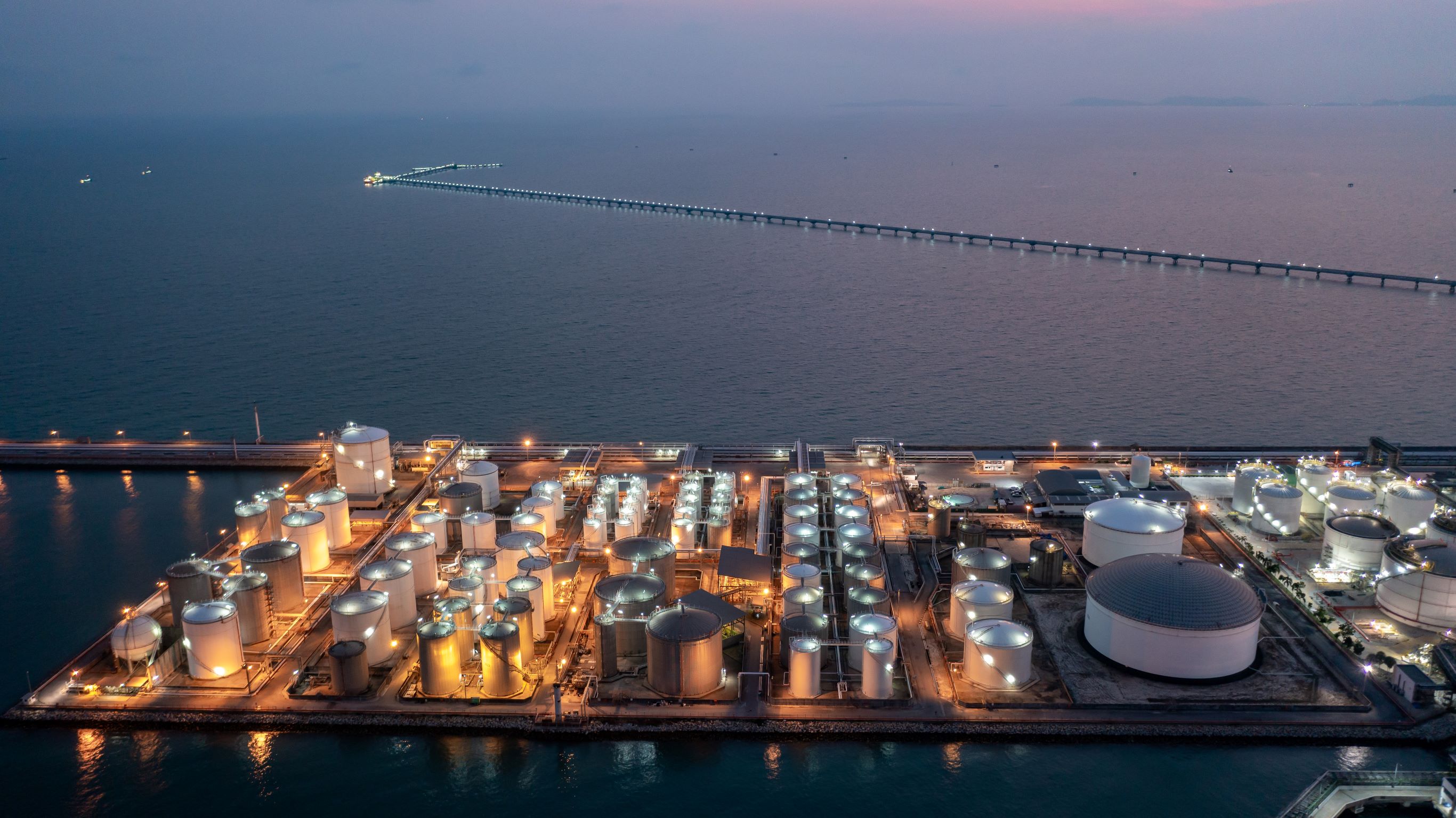

For the first time in decades, South Africa is getting ready to drastically increase its strategic oil reserves in an effort to bolster the nation's energy cushion against any disruptions in the global supply chain.
- South Africa plans to significantly increase its strategic oil reserves to enhance energy security amid global supply risks.
- The government proposes holding reserves equal to 60 days of national fuel needs, requiring about 36 million barrels.
- The new reserve will consist of about 70% crude oil, with the South African National Petroleum Company managing refined products.
- Licensed fuel distributors and importers must also maintain 21 days of commercial oil stocks as an additional buffer.
The Department of Mineral Resources and Energy (DMRE) suggested keeping strategic reserves equal to 60 days of the country's fuel needs in a draft policy that was made available for public comment on July 9.
The National Treasury and the state-owned South African National Petroleum Co. “will develop financing mechanisms and instruments for the financing and guaranteeing strategic petroleum stocks,” the DMRE said.
DON’T MISS THIS: Tanzania’s sole billionaire seeks a $100 million role in Africa's richest man's $17 billion project
Per the plan, crude oil would make up about 70% of the reserve, with the newly formed South African National Petroleum Company (SANPC) overseeing the remaining percentage of refined petroleum products.
The estimates show that the Southern African country consumes over 600,000 barrels of oil every day; therefore, the idea would need around 36 million barrels of strategic reserves.
Furthermore, licensed fuel distributors and importers would be obliged to hold 21 days of commercial fuel stockpiles, providing an extra buffer against supply disruptions, as seen on Bloomberg.
The National Treasury and the state-owned South African National Petroleum Co. “will develop financing mechanisms and instruments for the financing and guaranteeing strategic petroleum stocks,” the DMRE said.
The government announced that the National Treasury and SANPC would create funding mechanisms to support and protect the country's emergency petroleum reserves.
South Africa's move comes as numerous African countries bolster their energy security following recent geopolitical conflicts that highlighted flaws in global oil supply lines.
The crisis in the Middle East, notably in the Strait of Hormuz, a major shipping route for global oil exports, caused substantial spikes in fuel prices and raised concerns about supply reliability.
The proposed policy is a throwback to a technique used during apartheid, when international sanctions forced South Africa to build the 45-million-barrel Saldanha Bay storage facility to shield itself from future oil embargoes.
Throughout Africa, governments are investing in long-term energy resiliency.
Morocco has announced plans to invest $641 million in boosting fuel storage capacity, Uganda is improving its state-owned fuel terminal, and Ghana is promoting the use of domestically produced oil in refineries.
Nigerian billionaire Aliko Dangote has recently announced plans for more refining and storage facilities throughout the continent.
South Africa's increased focus on strategic reserves comes after years of depleting stocks.
The government sold almost 10 million barrels of crude in 2015, a transaction that was ultimately found illegal, while refinery closures have exacerbated the country's reliance on imported gasoline.
Officials project that gasoline shortages might cost the South African economy around 1 billion rands (approximately $61 million) each day.