South Africa loses Nissan’s $45 million expansion bet as Egypt becomes preferred manufacturing hub
Nissan is accelerating its shift toward North Africa with a fresh $45 million investment in Egypt, as the Japanese automaker restructures global manufacturing operations and repositions Africa as a key growth frontier.
 Black News


Nissan is accelerating its shift toward North Africa with a fresh $45 million investment in Egypt, as the Japanese automaker restructures global manufacturing operations and repositions Africa as a key growth frontier.
- Nissan is investing $45 million to expand its manufacturing operations in Egypt, aiming to boost output by a third.
- The company is shifting production from South Africa to Egypt to leverage lower costs and stronger export potential.
- More than half of vehicle components will be sourced locally, helping reduce supply chain risks and support regional export ambitions.
- Nissan is restructuring globally to offset significant losses, closing some plants and focusing on strategic growth in Africa.
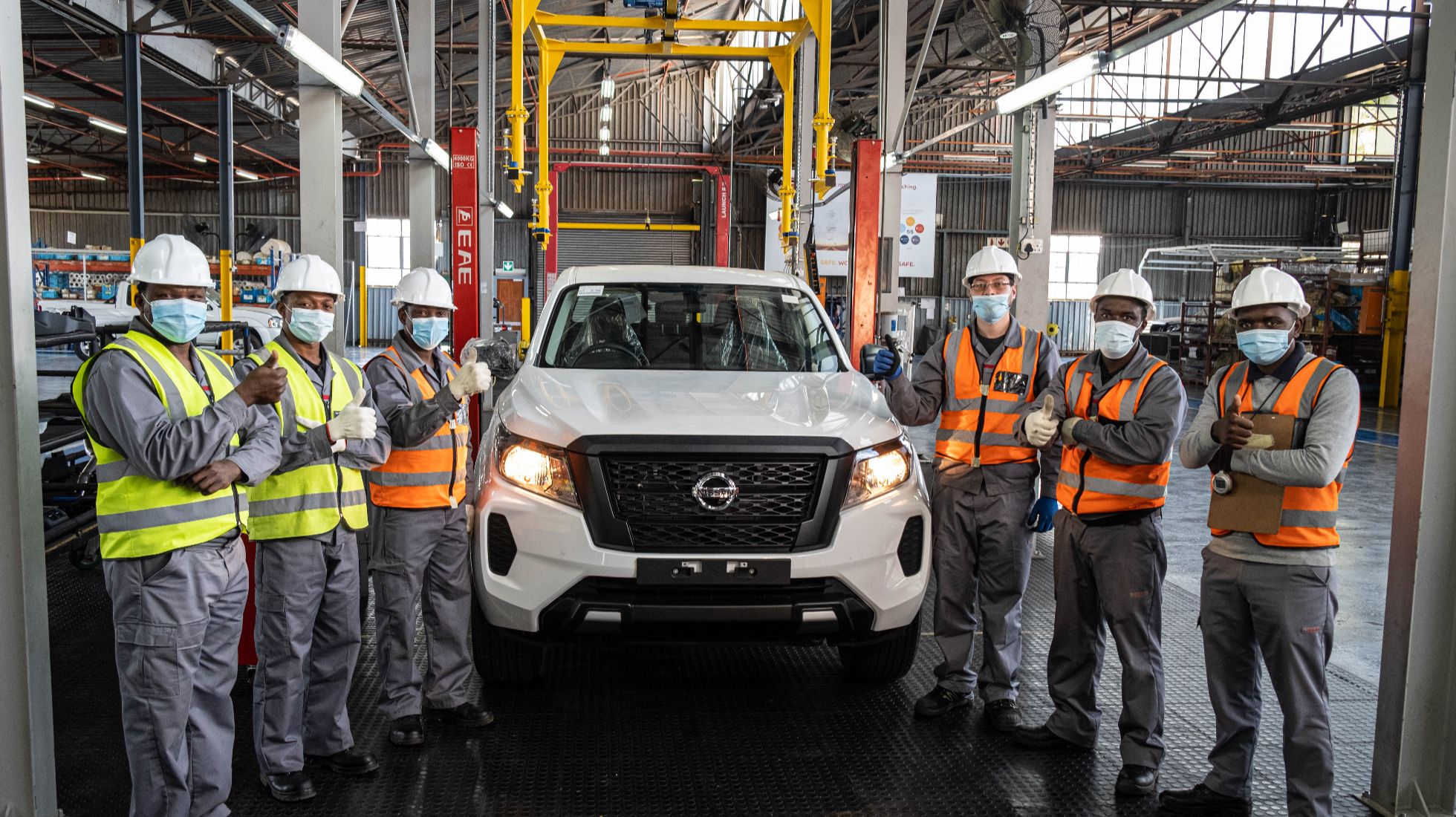
South Africa is losing Nissan’s manufacturing footprint as the Japanese automaker redirects $45 million into expanding production capacity in Egypt, signalling a shift in its African production strategy.
The expansion comes as the company unwinds manufacturing exposure in South Africa while doubling down on production capacity in Egypt, where it sees stronger export potential and lower operating costs.
Nissan plans to invest $45 million (about R740 million) this year to expand its manufacturing base in Egypt, lifting output by roughly a third and strengthening its ability to supply markets across Africa. The investment will also support a broader push to make the country a regional export hub.
The new production line is expected to add at least 10,000 vehicles annually, with more than half of components sourced locally, according to Nissan Africa managing director Mohamed AbdelSamad.
The strategy comes as the automaker undertakes global restructuring efforts aimed at offsetting losses estimated at ¥275 billion (about R28 billion), including cost reductions and plant closures in other regions.
South Africa’s loss of Nissan manufacturing operations reduces activity in one of its most important industrial sectors, with knock-on effects across jobs, suppliers, and exports.
While Nissan is expected to remain active in South Africa as a sales and distribution brand, the key economic loss comes from reduced local manufacturing value addition and its wider multiplier effects across the economy.
Egypt as a regional manufacturing base
Egypt’s appeal lies in its location and cost structure, offering access to African, Middle Eastern and European markets from a single production base.
For Nissan, the country also provides a more stable platform to navigate ongoing disruptions in global shipping routes linked to geopolitical tensions.
AbdelSamad said the company is increasingly focused on localisation and logistics flexibility. “More than half of the components will be manufactured locally,” he noted, adding that the move is intended to reduce exposure to external supply chain shocks.
Nissan has already invested about $276 million in Egypt and has exported more than 25,000 vehicles from the country over the past three years, with Libya emerging as a key destination market.
Meanwhile, China’s Chery Automobile has taken over Nissan’s manufacturing assets in South Africa, marking a broader reshuffling of automotive production across the continent.
Competition is also intensifying, with global manufacturers positioning for long-term gains in Africa’s fragmented but growing automotive market.
For Egypt, the investment aligns with government efforts to strengthen exports and reduce persistent trade imbalances, supported by a wider economic reform programme backed by international financing.
The African Continental Free Trade Area is expected to further enhance Egypt’s role, potentially allowing Nissan to scale regional distribution as tariff barriers gradually decline.
Against this backdrop, Nissan is betting that North Africa - particularly Egypt, will serve as a more efficient and strategically located manufacturing base than its previous South African footprint.