South Africa’s fuel imports from the U.S. hit 165,000 tons following Middle East supply disruptions
South Africa is ramping up fuel imports from the United States as instability in Middle East supply routes continues to disrupt traditional energy flows and lift global costs.
 Black News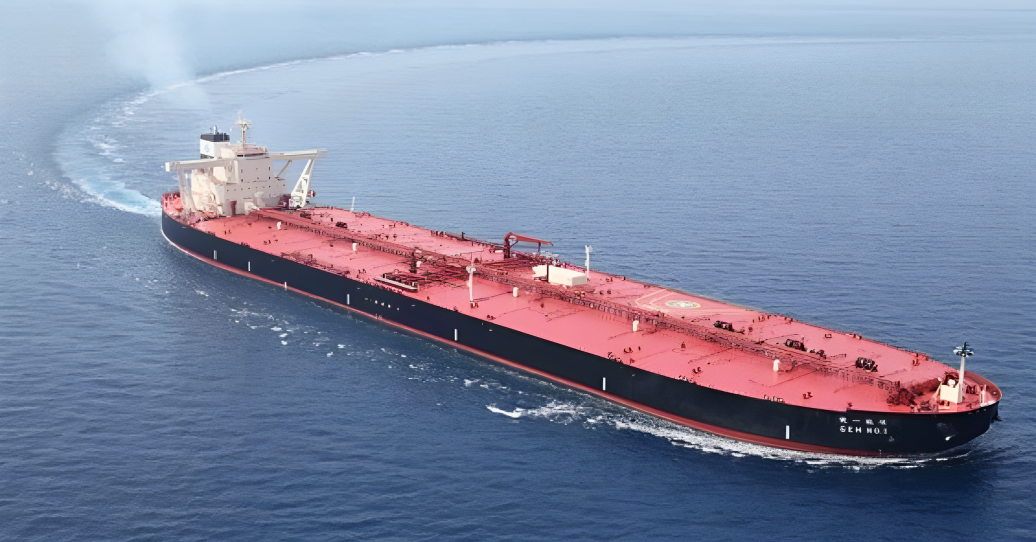


South Africa is ramping up fuel imports from the United States as instability in Middle East supply routes continues to disrupt traditional energy flows and lift global costs.
- South Africa is increasing fuel imports from the US due to disruptions and higher costs in Middle Eastern supply routes.
- This marks a significant shift from South Africa's traditional reliance on Gulf suppliers such as Saudi Arabia, Oman, and the UAE.
- Recent shipping data shows several US tankers delivering around 165,000 tons of refined fuel to Durban this month.
- Industry experts warn that even if geopolitical tensions in the Middle East ease, fuel trade flows may not quickly return to previous patterns.
The change reflects a broader shift among import-dependent economies that are being forced to rethink sourcing strategies amid tighter shipping corridors and higher crude and freight prices.
For years, South Africa, Africa’s biggest fuel importer relied heavily on refined products from Gulf suppliers including Oman, Saudi Arabia and the United Arab Emirates to meet domestic demand for diesel, petrol and jet fuel.
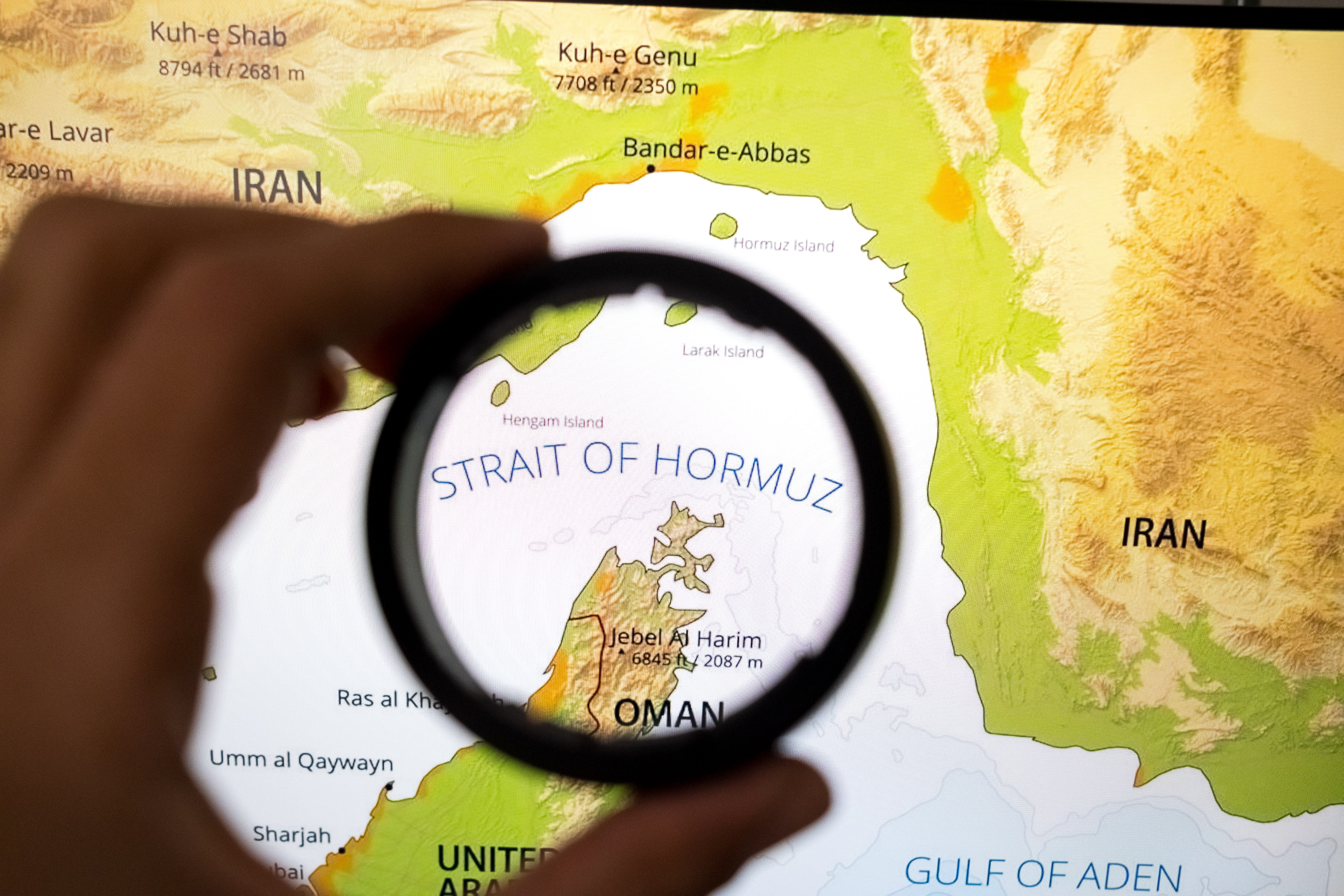
That dependence has come under pressure as uncertainty around key maritime routes, particularly the Strait of Hormuz, has pushed traders to secure alternative supply lines over longer distances.
Bloomberg reports that at least four tankers carrying roughly 165,000 tons of refined fuel from the US have offloaded in Durban this month according to recent shipping data. The port remains the country’s main entry point for fuel imports, handling the bulk of inbound volumes.
“The US has been identified as one such source, and there appears to be a notable increase in fuel shipments originating from there,” said Avhapfani Tshifularo, chief executive of the Fuels Industry Association of South Africa.
The increase marks a clear shift in sourcing patterns compared with earlier in the year, as global refiners and traders adjust to disrupted Middle East supply chains and elevated transport costs.
Industry participants warn that even if geopolitical tensions ease, oil trade routes may take time to normalise, with some flows potentially not returning to previous levels.
He added that fuel is still available globally, but often at higher landed costs due to freight and pricing premiums linked to longer shipping distances and tighter market conditions.
Africa’s wider fuel exposure
The disruption is not limited to South Africa. Across the continent, fuel-importing economies are increasingly exposed to volatility in global supply routes, with tighter markets pushing up import costs and consumer prices.
In Asia, shortages of key refined products have emerged in several emerging economies, while Europe has also faced pressure in jet fuel availability as global trade flows adjust to geopolitical instability.
The realignment of supply chains is unlikely to be temporary, with traders warning that even if geopolitical tensions ease, fuel flows through traditional routes may take time to stabilise.
Limited room for regional substitution
In Africa, attention has turned to domestic refining capacity as a potential buffer against import shocks. Nigeria’s Dangote refinery has been ramping up output, positioning itself as a regional supplier of refined products.
However, industry observers caution that even large-scale facilities cannot fully offset structural import dependence across the continent, particularly as multiple economies face simultaneous supply constraints.
With refinery closures in several countries and limited investment in downstream infrastructure, Africa remains heavily reliant on external suppliers to meet fuel demand.
Rising freight costs and shifting trade routes are also compounding price pressures, adding further strain to already sensitive fuel markets.
South Africa has already reflected these pressures in domestic pricing, recording one of its steepest fuel price increases in nearly two decades earlier this year as global market conditions tightened further.