The Story of American Jewish Food
A tasty timeline in honor of the nation's semiquincentennial. The post The Story of American Jewish Food appeared first on Moment Magazine.
 Black News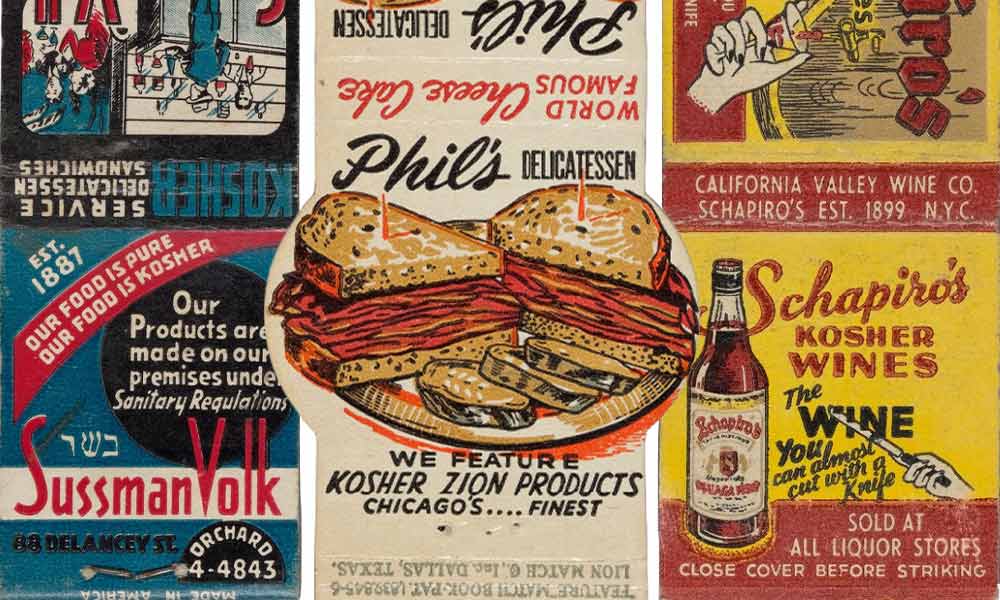
 hether it’s a Nathan’s Famous frank at the ballpark, a tangy kosher dill at the deli, a flaky boureka at a bakery or a refreshing egg cream at a diner, Jewish food has become a savory part of the American story.
Bagels, once only found in Jewish immigrant communities in New York City, are now mass-produced across the country. Jewish delis featuring overstuffed sandwiches of brisket on rye or challah are fixtures in cities from New York to Los Angeles. Lox and whitefish salad are stocked at Costco. Knishes too, which can even be found in supermarket freezers. High-end cafes across the country sell rugelach, babka and black and white cookies. Matzah ball soup is practically everywhere.
All these foods arrived on America’s shores courtesy of waves of Jewish immigrants. But by now, most Americans—including Jews—have forgotten how and when these foods entered American culinary history and culture. In honor of the nation’s semiquincentennial year, we’ve created this tasty timeline to tell the story of American Jewish food.
1660 A Jew from Portugal applies for a license to sell kosher meat in New Amsterdam.
1846 The first documented use of the word “kugel” in America, according to the Merriam-Webster Dictionary.
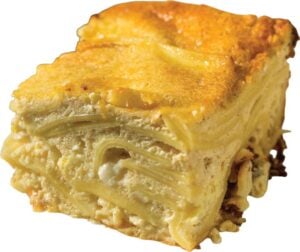
1851 The first commercial kosher slaughterhouse opens on Bushwick Avenue in Brooklyn.
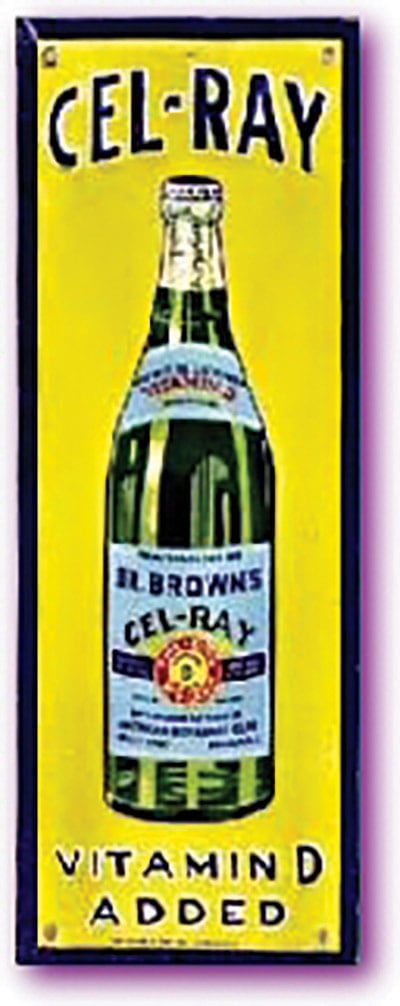
1869 Dr. Brown’s Cel-Ray Tonic, a seltzer drink made with celery seeds and sugar, is introduced in New York City Jewish delis, followed by cream and cherry sodas.
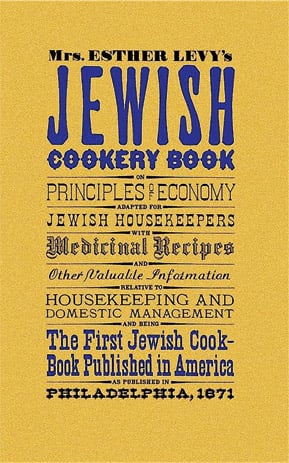
1871 The first American kosher cookbook, Mrs. Esther Levy’s Jewish Cookery Book, is published.
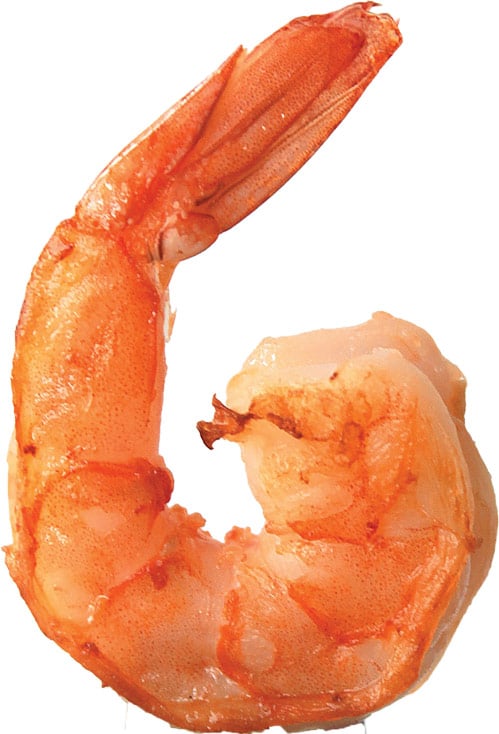
1883 The so-called “Trefa Banquet” is held for the first class of the Reform rabbinical school at Hebrew Union College, with a menu of clams, frog legs, crab, shrimp, and milk and meat dishes.
1885 The American Reform movement officially rejects the laws of kashrut.
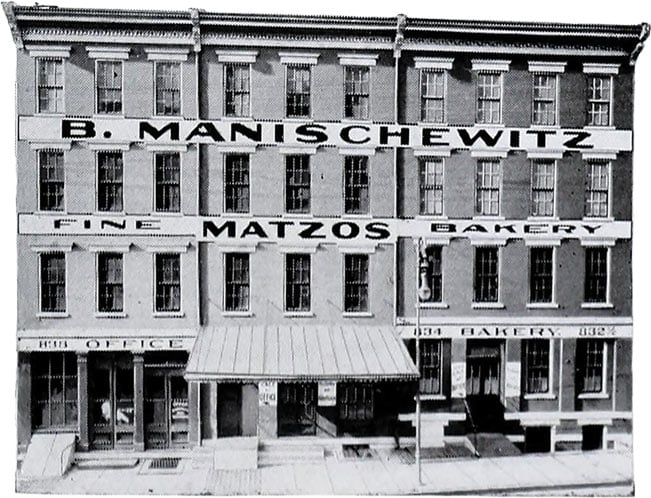
1888 The Manischewitz Company is founded by Rabbi Dov Behr Manischewitz in Cincinnati.
On the Lower East Side, Katz’s Delicatessen is founded.
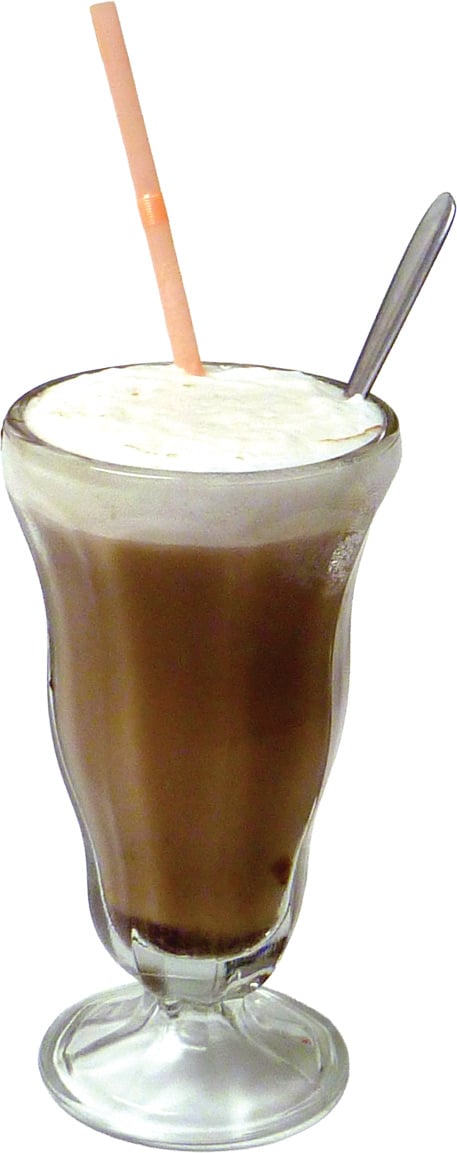
1890 New York candy store owner Louis Auster invents the egg cream—a soda fountain concoction made of milk, soda water and chocolate syrup.
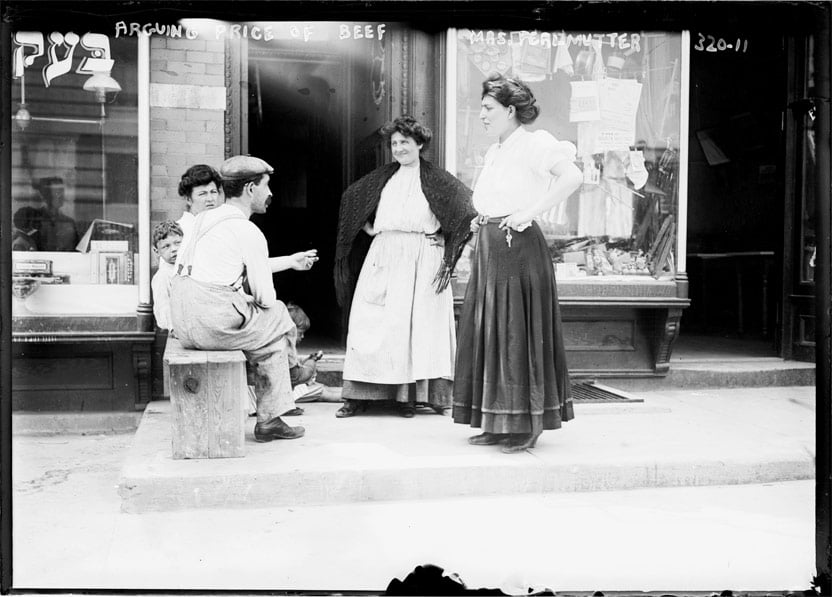
1902 Jewish women on the Lower East Side lead a boycott of kosher butchers to protest high meat prices and successfully bring the price of meat from 18 to 14 cents a pound.
1905 Hebrew National Kosher Sausage Factory, Inc., later Hebrew National Foods, introduces its version of kosher franks.
Ratner’s, a popular dairy restaurant in New York City, opens its doors.
1907 The International Beigel Bakers’ Union is founded under the Bakery and Confectionery Workers International. The all-Jewish local union in New York City was composed almost entirely of Eastern European immigrants, and later passed onto their sons. Meetings were conducted in Yiddish.
1908 One Thousand Favorite Recipes, a community cookbook compiled by The Ladies’ Auxiliary to Temple de Hirsch in Seattle, is published. The cookbook is one of the oldest found to feature both Ashkenazi and Sephardi recipes.
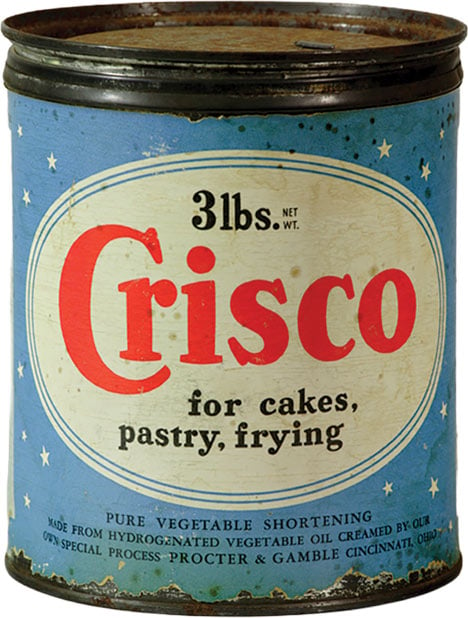
1911 Procter & Gamble touts Crisco, the first all-vegetable shortening, as “a cheap kosher product” for which the “Hebrew race has been waiting 4,000 years.”
1915 New York State enacts the first kosher food law, prohibiting the advertising of non-kosher products as kosher.
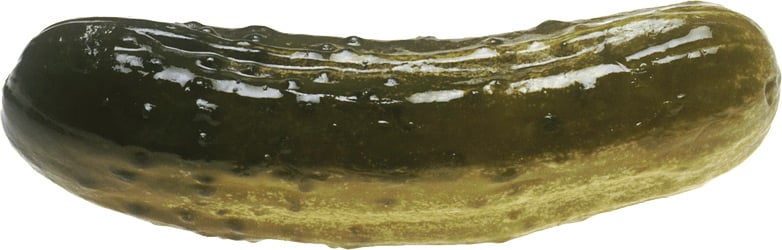
1920 Pickle street vendor Izzy Guss opens his Hester Street store, Guss’ Pickles. Eastern European Jewish immigrants brought the kosher dill pickle to America around this time, with around 80 pushcart vendors on the streets of New York City.
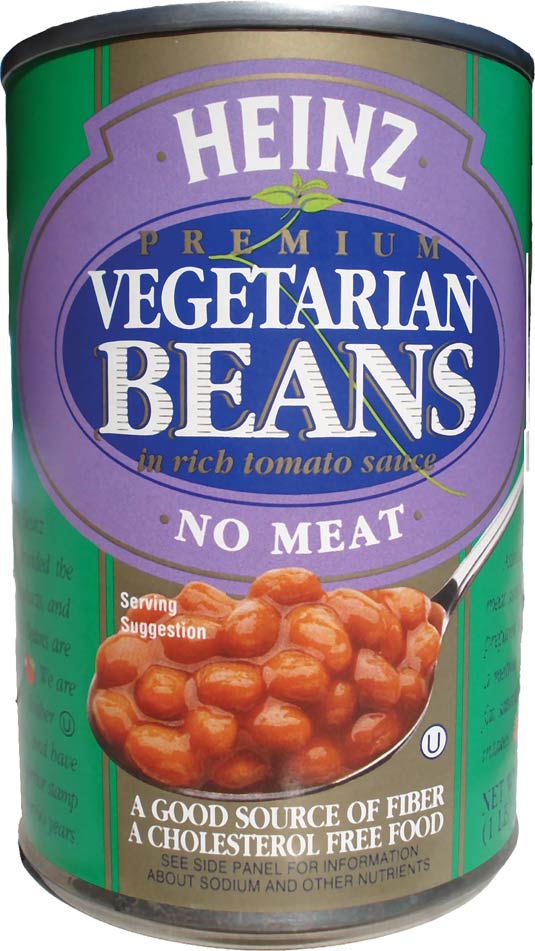
1923 The Orthodox Union introduces its kosher certification program, and a few years later, the now-famous OU symbol is designed for Heinz’s vegetarian baked beans, the first major product to carry the certification.
Famous 4th Street Delicatessen opens in Philadelphia, and is still widely recognized as one of America’s best Jewish delis.
1934 Louis Zabar opens Zabar’s delicatessen on Broadway and 80th Street in Manhattan.
1935 After being given access to tweak Coca-Cola’s secret list of ingredients, Atlanta Orthodox Rabbi Tobias (Tuvia) Geffen declares Coca-Cola kosher.
1938 The Katz family founds Empire Kosher Poultry in the Catskills.
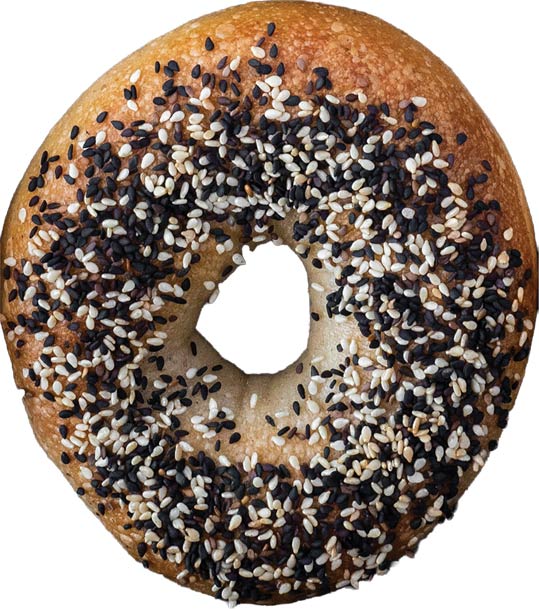
1956 The New York Times defines a bagel as “a form of Jewish baked goods sometimes described as a doughnut with rigor mortis.”
1959 Bernstein on Essex, also called Schmulka Bernstein’s, becomes the first kosher Chinese restaurant in New York. The Jewish owner, Solomon Bernstein, opened the restaurant as a deli in 1957 and introduced the Chinese menu two years later.
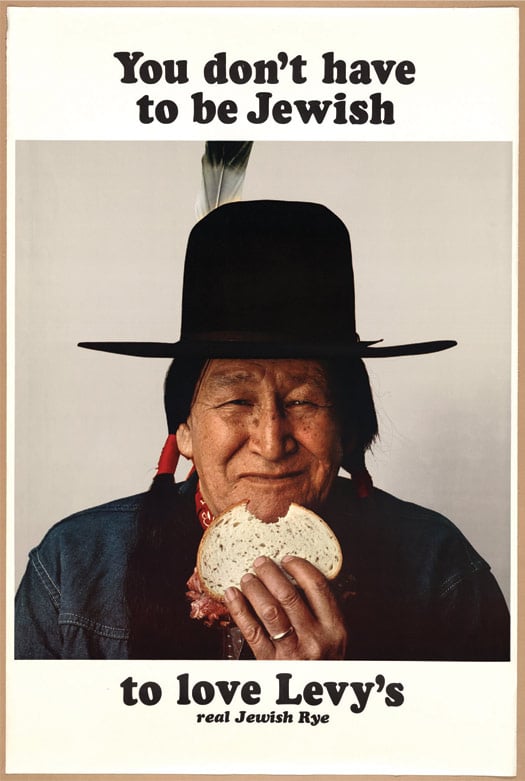
1961 Henry S. Levy and Sons, a Brooklyn bakery, launches its famous ad campaign with the tagline, “You don’t have to be Jewish to love Levy’s real Jewish Rye.” The posters featured typical New Yorkers of all different ethnicities enjoying Levy’s rye bread.
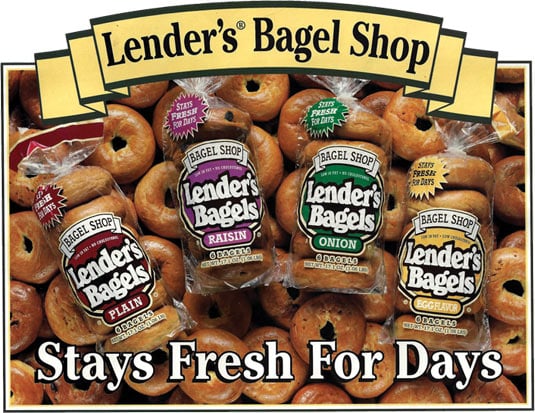
1965 Lender’s Bagels of New Haven utilizes the newly invented bagel machine for faster production and becomes the first to sell frozen and pre-sliced bagels, making them more accessible to grocery stores across the country.
1980 Entenmann’s, a popular East Coast bakery company, makes the majority of its products kosher, and sales spike throughout the decade.
1989 Kosherfest, the world’s largest kosher food show, opens in New York City with 69 booths.
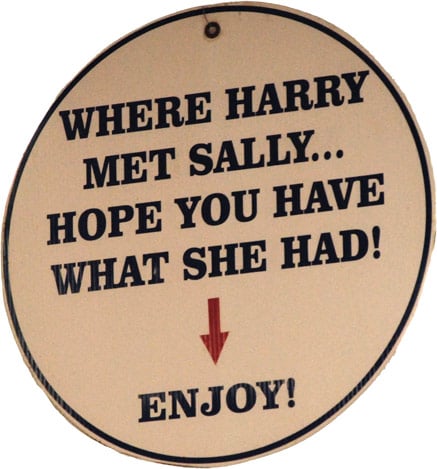
When Harry Met Sally features its iconic scene at Katz’s Deli in New York City, further popularizing the already famous Jewish deli.
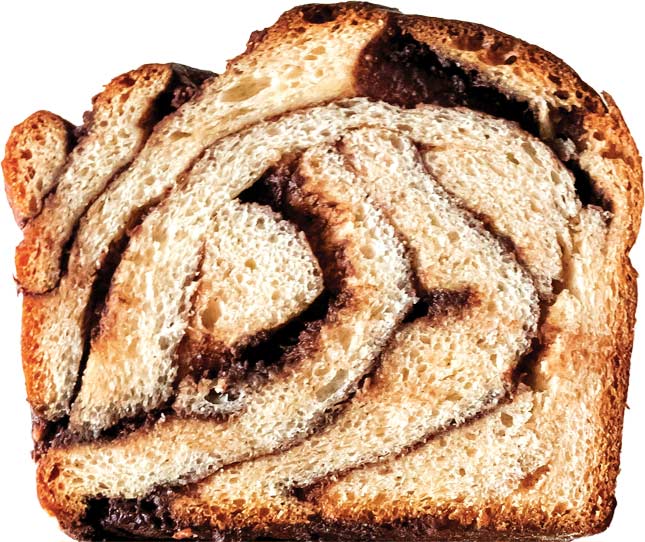
1994 An episode of Seinfeld features babka, introducing the Jewish dessert to mainstream America.
1995 Osem partners with Nestlé, making Israeli food products like Bamba widely available in America.
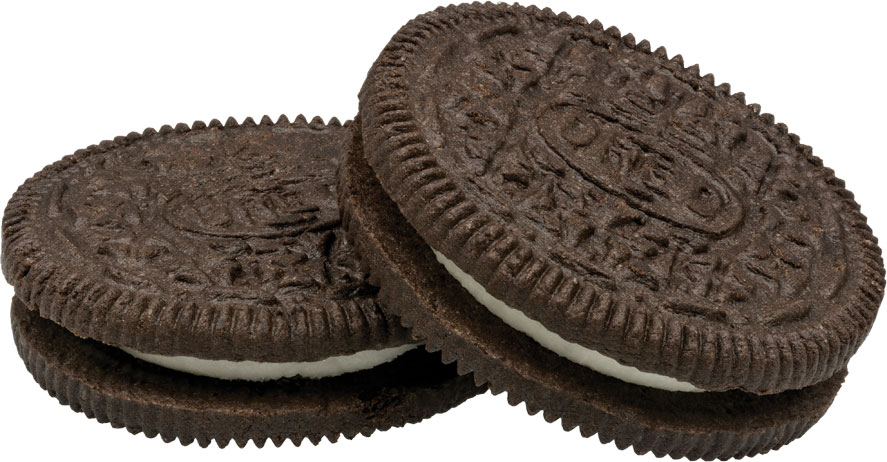
1998 Nabisco’s Oreo cookie goes kosher, cutting into sales of Hydrox, a kosher version of the chocolate cookie with a vanilla cream filling.
Joan Nathan’s Jewish Cooking in America airs on Maryland Public Television, one of America’s first, and most influential, Jewish cooking shows.
2004 PETA releases an undercover video shot at Agriprocessors, one of the largest kosher meat facilities in the country, showing gruesome details of animal abuse.
2008 Michael Solomonov opens his first restaurant, Zahav, in Philadelphia, the first upscale Israeli restaurant of its kind in the United States.
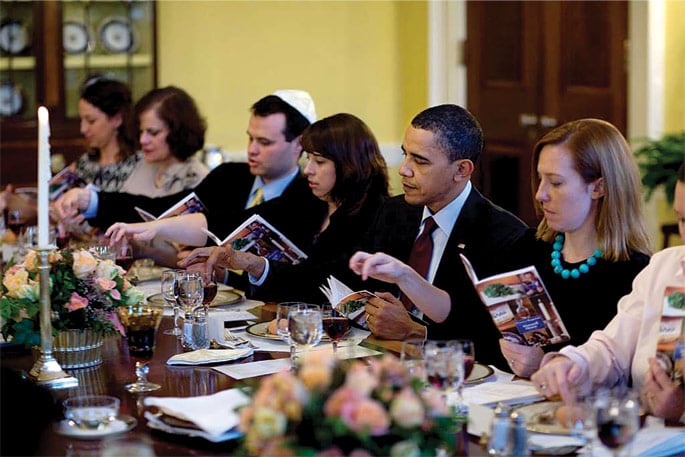
2009 President Barack Obama holds the first White House seder.
2013 Arvind Mahankali wins the Scripps National Spelling Bee by correctly spelling the word “knaidel” (Yiddish for matzah ball).
2015 The Conservative movement rules that Ashkenazi Jews in the diaspora can eat kitniyot (legumes) on Passover, overturning an 800-year-old ban.
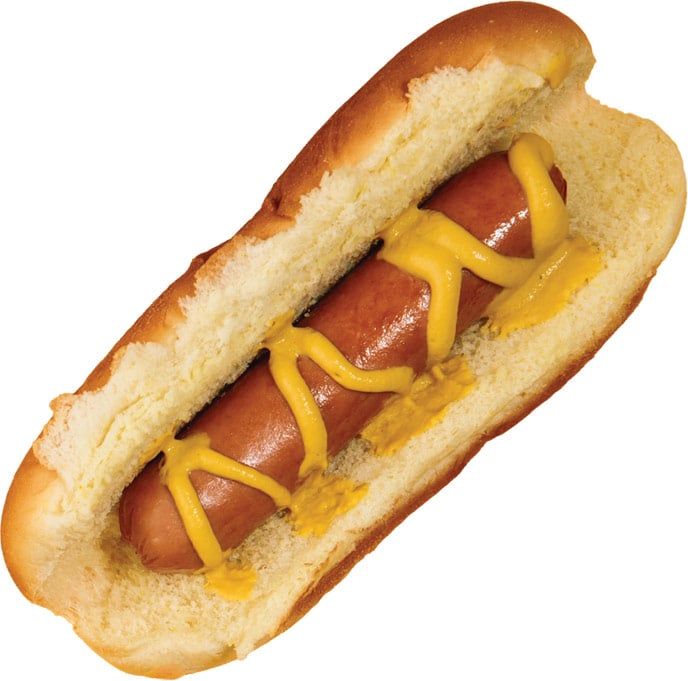
2017 Nathan’s Famous becomes the first Official Hot Dog of Major League Baseball. The company was founded by Polish Jewish immigrant Nathan Handwerker and serves kosher-style hot dogs.
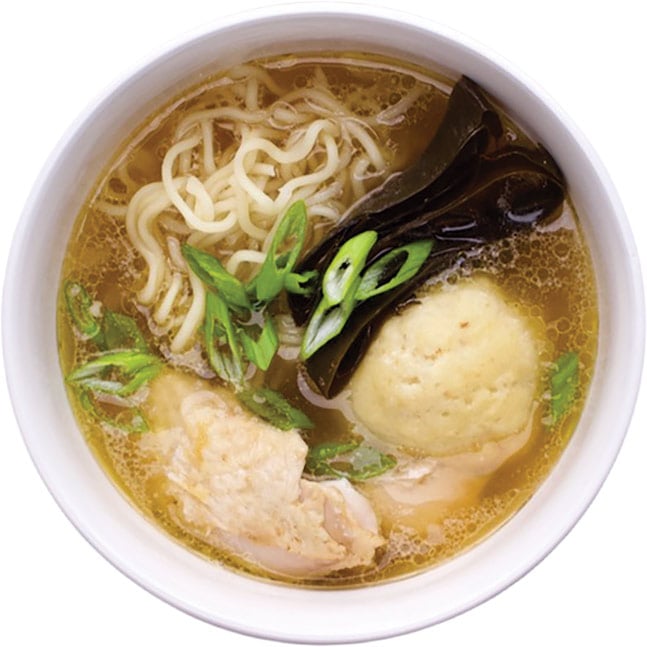
2025 Owners of Shalom Japan, a Japanese-Jewish fusion restaurant in Brooklyn, win a deal on Shark Tank for a freezer-aisle ramen matzah ball soup kit.
The post The Story of American Jewish Food appeared first on Moment Magazine.