The utopic vision of Black liberation in ’60s & ’70s jazz
Freedom, Rhythm & Sound — As Pan-African optimism spread across the world in the postcolonial era, Black-led record labels gave artists space to express themselves away from the mainstream. A new book collates 500 groundbreaking albums and their covers.
 Black News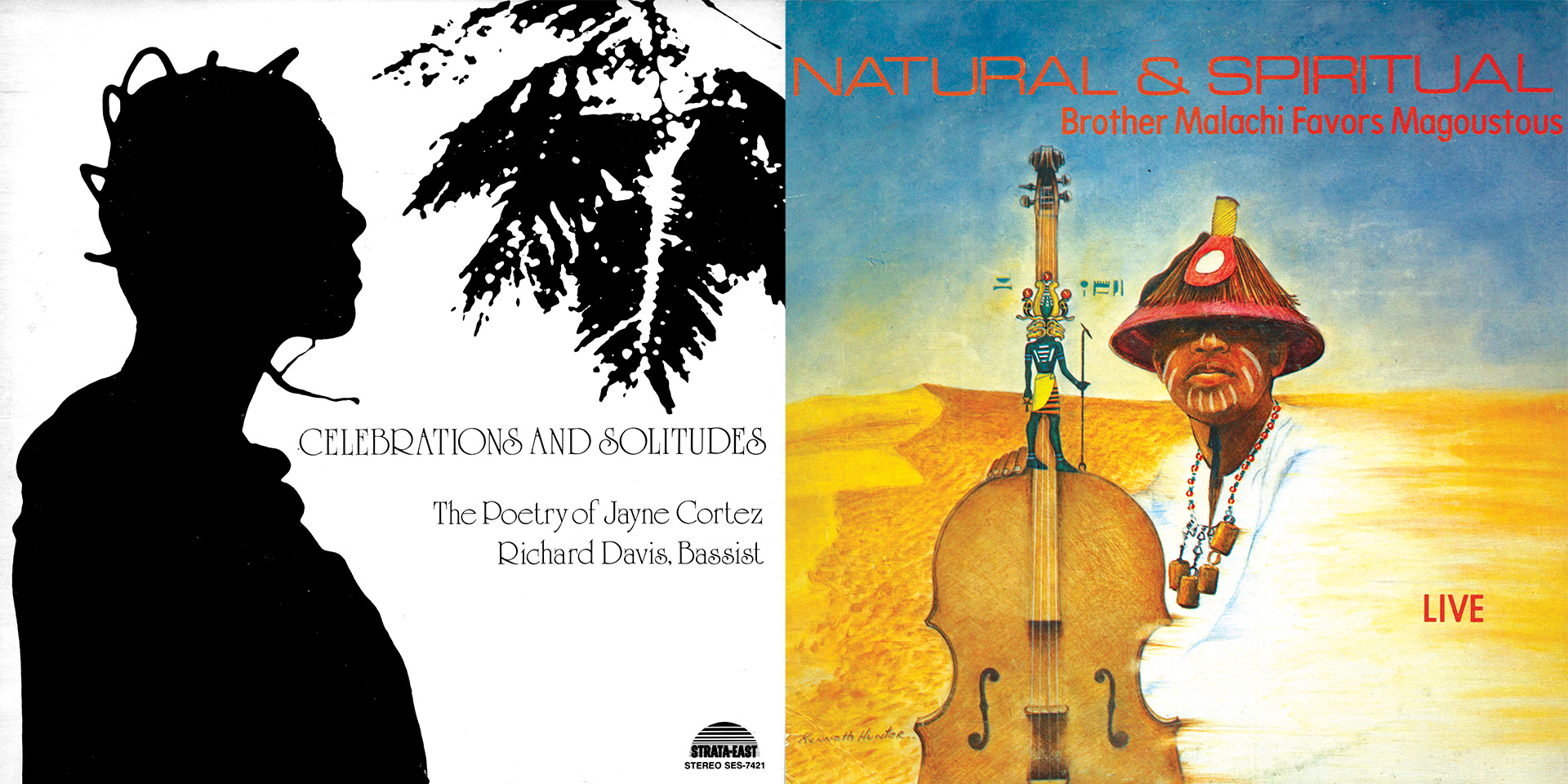
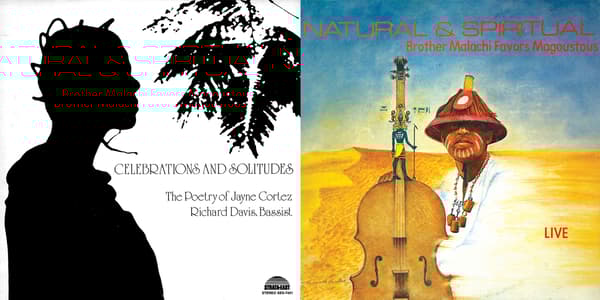
Freedom, Rhythm & Sound — As Pan-African optimism spread across the world in the postcolonial era, Black-led record labels gave artists space to express themselves away from the mainstream. A new book collates 500 groundbreaking albums and their covers.
In a 1960 New Yorker story, A.J. Liebling wrote, “Freedom of the press is limited to those who own one.” It’s a sentiment that applies as much to journalism as it does to music. That decade, the Civil Rights Movement, Black Power, and the Black Arts Movement heralded a revolution in sound, as the first private press and independent record labels created new opportunities for Black musicians, poets, writers, and activists to produce their own work.
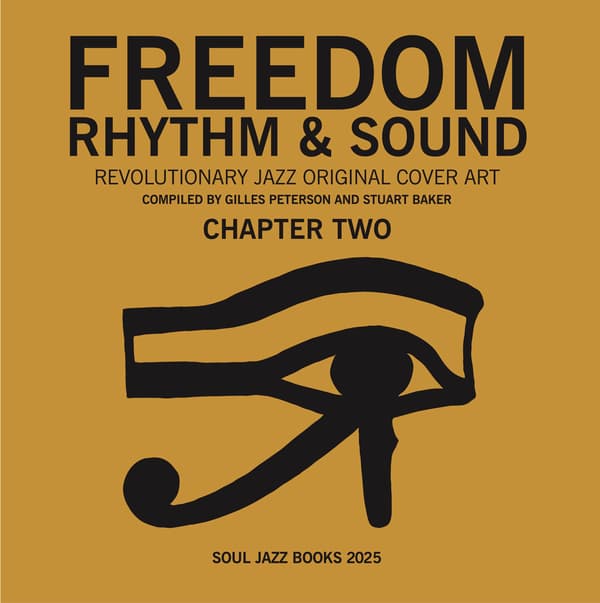
In an era where “Black Is Beautiful” set the tone, artists embraced the epic possibilities of the album cover. With Freedom, Rhythm & Sound: Chapter Two Revolutionary Jazz Original Cover Art 1965–83 (Soul Jazz Books), editors Stuart Baker and Gilles Peterson craft a wide-ranging repository of soul and jazz, bringing together some 500 rare recordings made at the height of an Afrofuturistic utopian soundscape. Organised thematically, the book spotlights visionary albums like John Coltrane’s A Love Supreme, and groundbreaking record labels including Black Jazz, Muse, Freedom, and Flying Dutchman for a captivating portrait of the era.
“For Black artists in the USA, choosing to control the means of production reflected the notion of self-empowerment,” Baker says. “For jazz artists wishing to reposition themselves as artists rather than entertainers, this led to a move away from the mainstream music industry and the idea of making it yourself as a way of maintaining the integrity of what you create. These same ideas also fuelled the rise of punk music in the UK and USA, and to an extent reggae in Jamaica, all in the 1970s.”
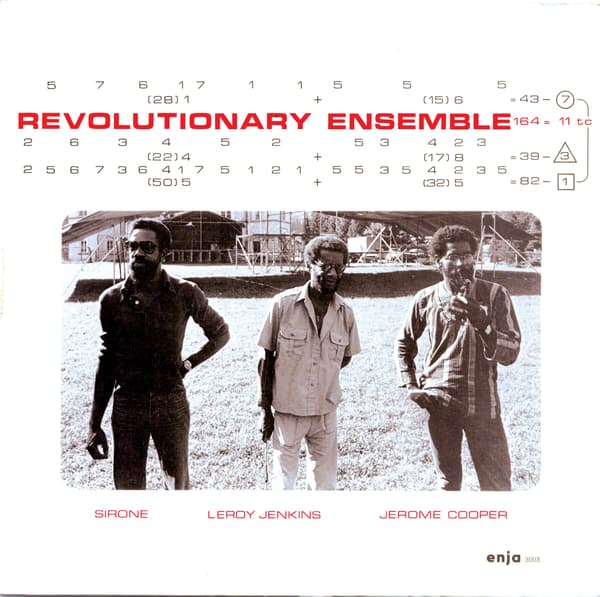
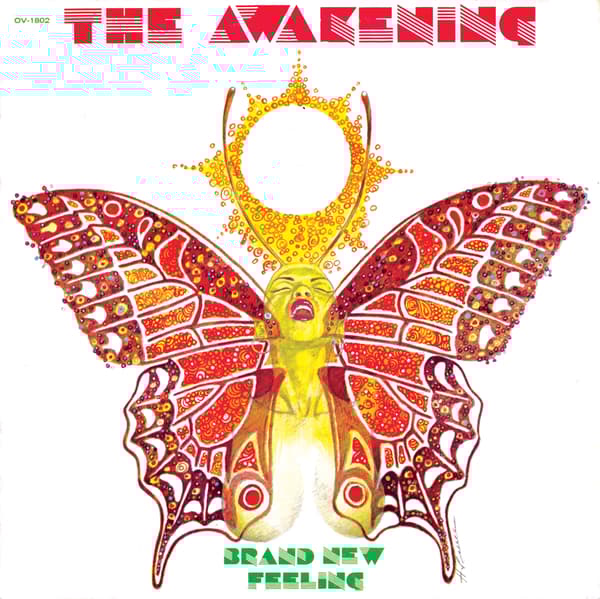
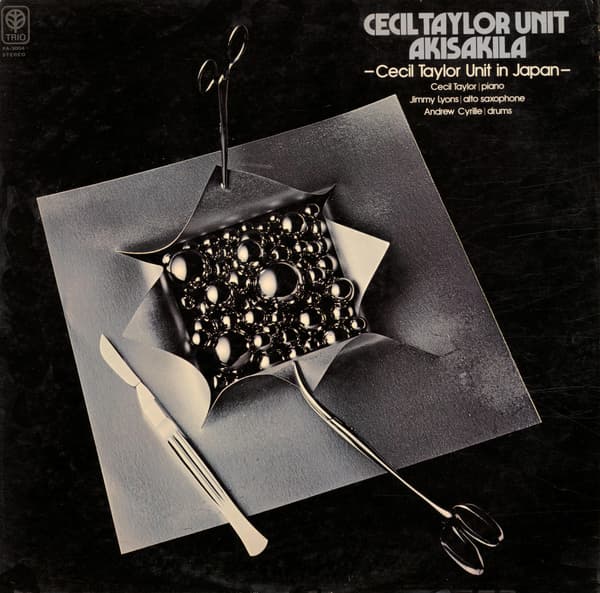
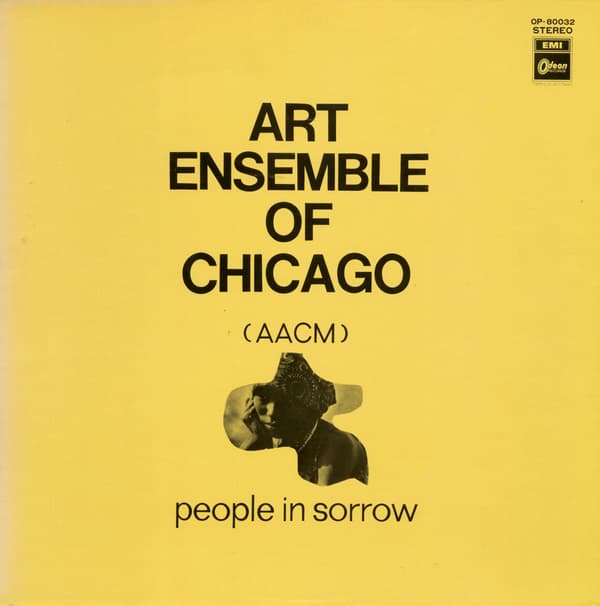
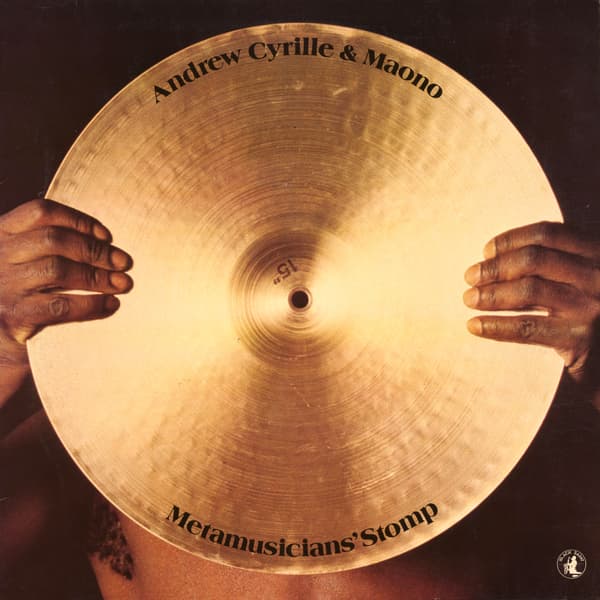
The spirit of liberation swept the globe, sparking a African movement across album art. The ancient gods of Black Egypt take centre stage on Sun Ra’s God Is More Than Love Can Ever Be while a bold pyramid graphic dons the cover of David Wertman Sun Ensemble’s Earthly Delights. Henry Franklin wears a necklace of animal teeth against bare flesh for Tribal Dance while the Art Ensemble of Chicago paint their faces like masks for Phase One.
‘The Revolution Will Not be Televised’, Gil Scott-Heron promised. How right he was. The revolution begins in the mind, in the spaces and places these albums take you through sight and sound alike. “Philosophically I think the art should match the idea of the music contained,” Baker says. “Most private-press releases, the graphic artist is often a friend of the musician, or the musician themselves – so obviously can often get closer inside the artists’ brains. A sleeve that both evokes and transcends the spirit of the times is the ideal.”
Freedom, Rhythm & Sound is a timely nod to the power of indie press at a time when mass media is being consolidated for political gain. In a culture that readily exploits, extracts, and erases radical talent that challenges the status quo, music has been relegated to “content” by corporations and consumers alike. Looking back, the musicians of this era continue to stand as innovators and radicals who chose their own path. “That’s how I was brought up to understand art,” Baker says. “The idea of art that does not involve rebellion makes little sense to me.”
Freedom, Rhythm & Sound: Chapter Two Revolutionary Jazz Original Cover Art 1965–83 is published by Soul Jazz Books.
Miss Rosen is a freelance arts and photography writer, follow her on X.
Buy your copy of Huck 83 here.
Enjoyed this article? Follow Huck on Instagram for more from the cutting edge of sport, music and counterculture.
Support stories like this by becoming a member of Club Huck.