The world's oldest serving head of state has been out of the country for 45 days, now his ruling party has called a rare meeting
Political uncertainty is mounting in Cameroon after the country's ruling party convened a rare meeting of senior leaders while President Paul Biya remained out of the country for 45 consecutive days, intensifying scrutiny over the future leadership of one of Central Africa's most important economies.
 Black News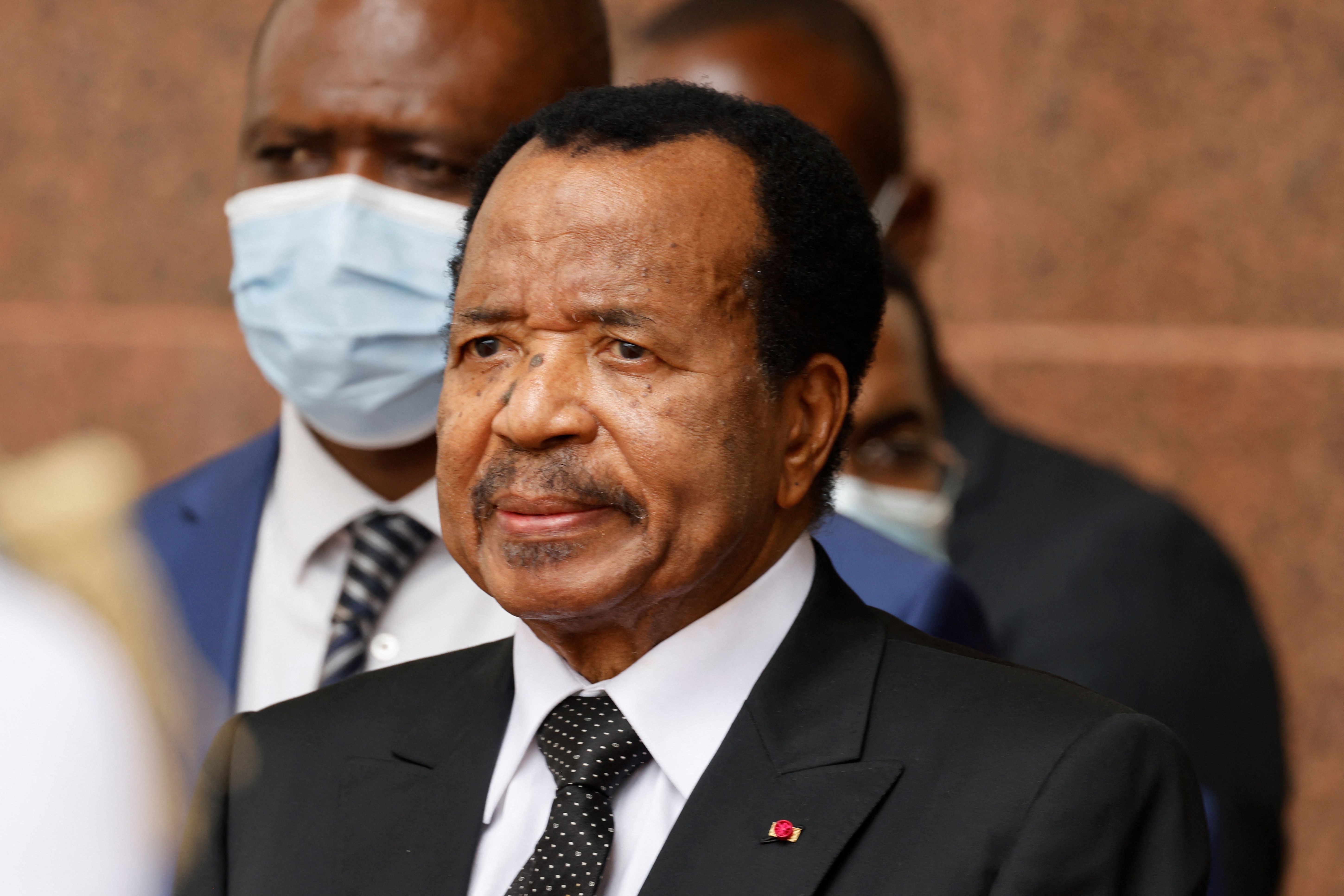

![The world's oldest serving head of state has been out of the country for 45 days, now his ruling party has called a rare meeting [Getty Images]](https://ocdn.eu/pulscms/MDA_/046fc6bff1bf1a2dcd48edc15bbf541e.jpg)
Political uncertainty is mounting in Cameroon after the country's ruling party convened a rare meeting of senior leaders while President Paul Biya remained out of the country for 45 consecutive days, intensifying scrutiny over the future leadership of one of Central Africa's most important economies.
- Political uncertainty in Cameroon is growing due to President Paul Biya's 45-day absence from the country.
- The ruling party convened a rare meeting of senior leaders, raising questions about succession and future leadership.
- Opposition parties are pressing the government to clarify Biya's status and ensure continuity of state governance.
- Biya, Africa's second-longest-serving president, has not named a successor, though legislation for a vice presidency was recently approved but remains unfilled.
Biya, 93, left Cameroon on June 7 for what the presidency described as "a brief private stay in Europe" and has yet to return, according to Reuters.
The government has not disclosed when he is expected back, making this his longest known stay abroad since taking office in 1982.
The unusual development prompted the Cameroon People's Democratic Movement (CPDM), the country's ruling party, to summon a rare meeting of its senior leadership on Wednesday.
In a statement, Jean Nkuete, secretary-general of the CPDM's central committee, described the gathering only as "an important working session" without revealing its agenda.
DON'T MISS THIS: Cameroon re-elects Paul Biya, world’s oldest sitting president, for eighth term
While there was no official indication that the meeting was linked to Biya's prolonged absence, it comes as criticism from opposition politicians continues to mount.
Cameroon's main opposition figures have urged the government to clarify the president's status, with the Cameroon Democratic Union calling on authorities to explain the "effective continuity of the state." Opposition lawmaker Jean Michel Nintcheu has also argued that the Constitutional Court should declare the presidency vacant.
Government officials have consistently rejected speculation surrounding Biya's health, maintaining that the president remains capable of governing from abroad and dismissing reports suggesting he is receiving medical treatment.
Succession questions return to the spotlight
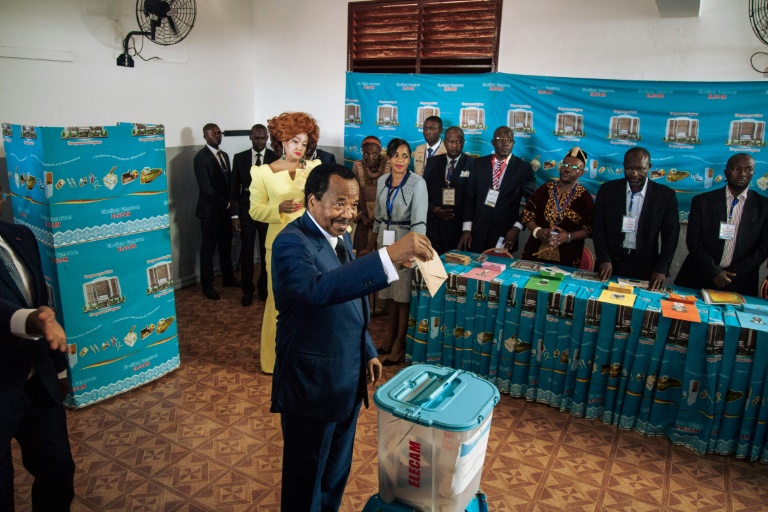
Biya has ruled Cameroon for more than four decades after taking office in November 1982, making him the world's oldest serving head of state and Africa's second-longest-serving president after Equatorial Guinea's Teodoro Obiang Nguema Mbasogo.
His latest absence has revived succession questions that have long surrounded the veteran leader, particularly given his age and the lack of a publicly identified successor.
Earlier this year, Cameroon approved legislation reintroducing the position of vice president, a role that would stand first in line to succeed the president. However, the position has yet to be filled.
The prolonged absence also comes less than a year after Biya secured another presidential term.
DON'T MISS THIS: Cameroon’s Paul Biya could become the first president to mark his 100th birthday in office
Business Insider Africa previously noted that if Biya completes his current mandate, he would be close to 100 years old by the end of it, highlighting the unprecedented longevity of his rule and fueling renewed debate over the country's political future.
For investors, the developments are being closely watched. Cameroon is one of Central Africa's largest economies and a major producer of cocoa, crude oil, natural gas and timber. Any prolonged uncertainty surrounding political leadership could have broader implications for governance, policy continuity and investor confidence.
Reuters reported that Biya has frequently spent extended periods in Switzerland and other parts of Europe during his presidency, but his current trip is the longest on record, adding to growing domestic and international attention over the continuity of leadership in the country.