Touch is another way of seeing
I extended the life of my exhibition Another Way of Seeing by taking a selection of artworks to community and disabled people’s groups in Leeds. These visits created space for relaxed conversations about art, gathered around a table with tea rather than within a gallery. Earlier this year I met with a dementia peer support ... Touch is another way of seeing
 Black News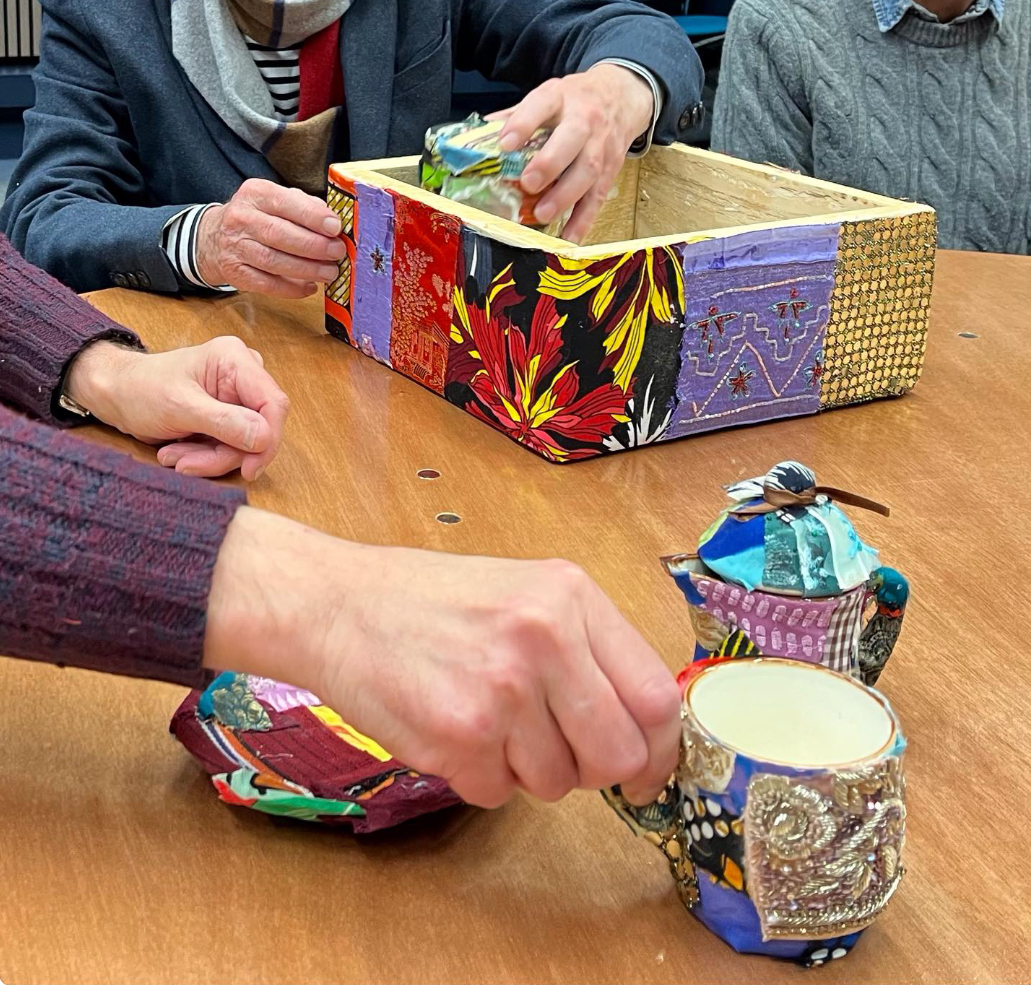

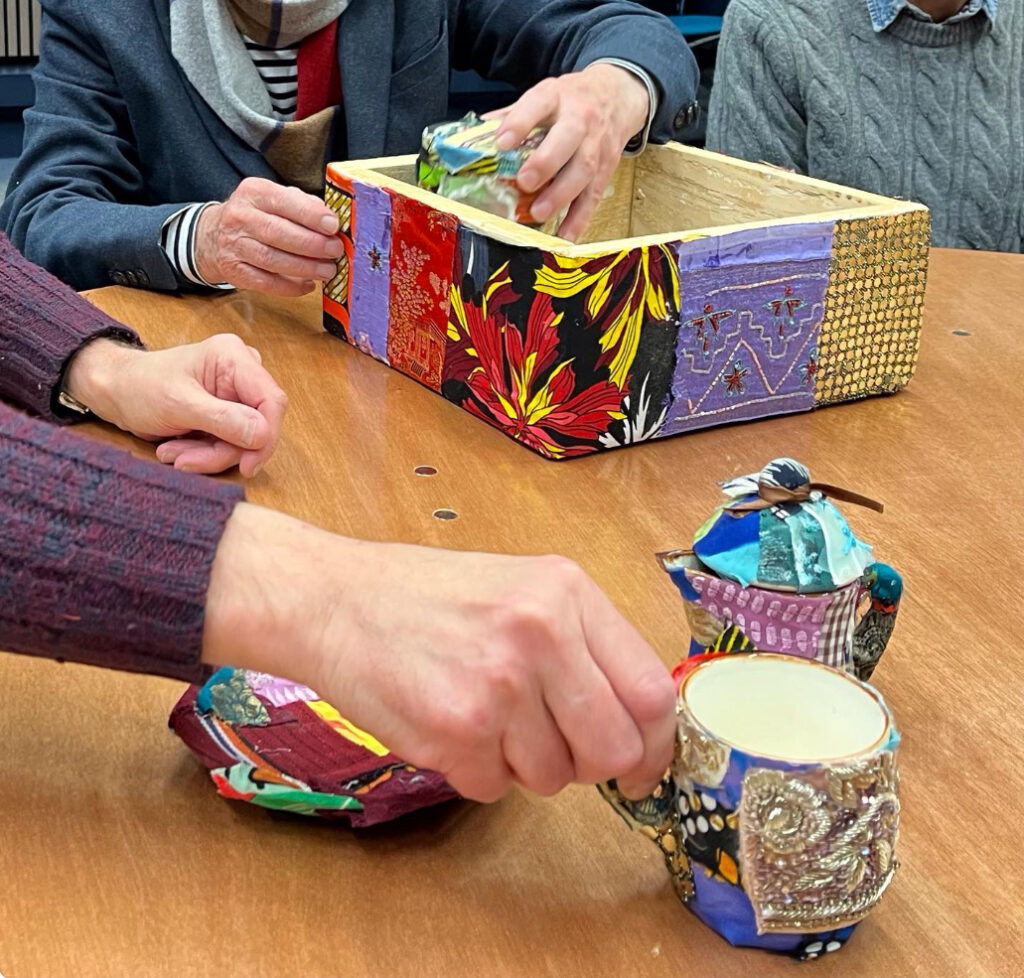
I extended the life of my exhibition Another Way of Seeing by taking a selection of artworks to community and disabled people’s groups in Leeds. These visits created space for relaxed conversations about art, gathered around a table with tea rather than within a gallery.
Earlier this year I met with a dementia peer support group and a group of asylum-seeking women. This week I joined a visually impaired art group, a self-organised collective based at a third-sector support service.
Although most works had been returned, I borrowed Ballet Reimagined by Jem Clancy, Loophole by Tony Heaton, and A Well Deserved Cuppa by Saba Siddiqui for handling sessions. While all exhibition pieces were accessible in concept and sensory engagement, these felt especially relatable.
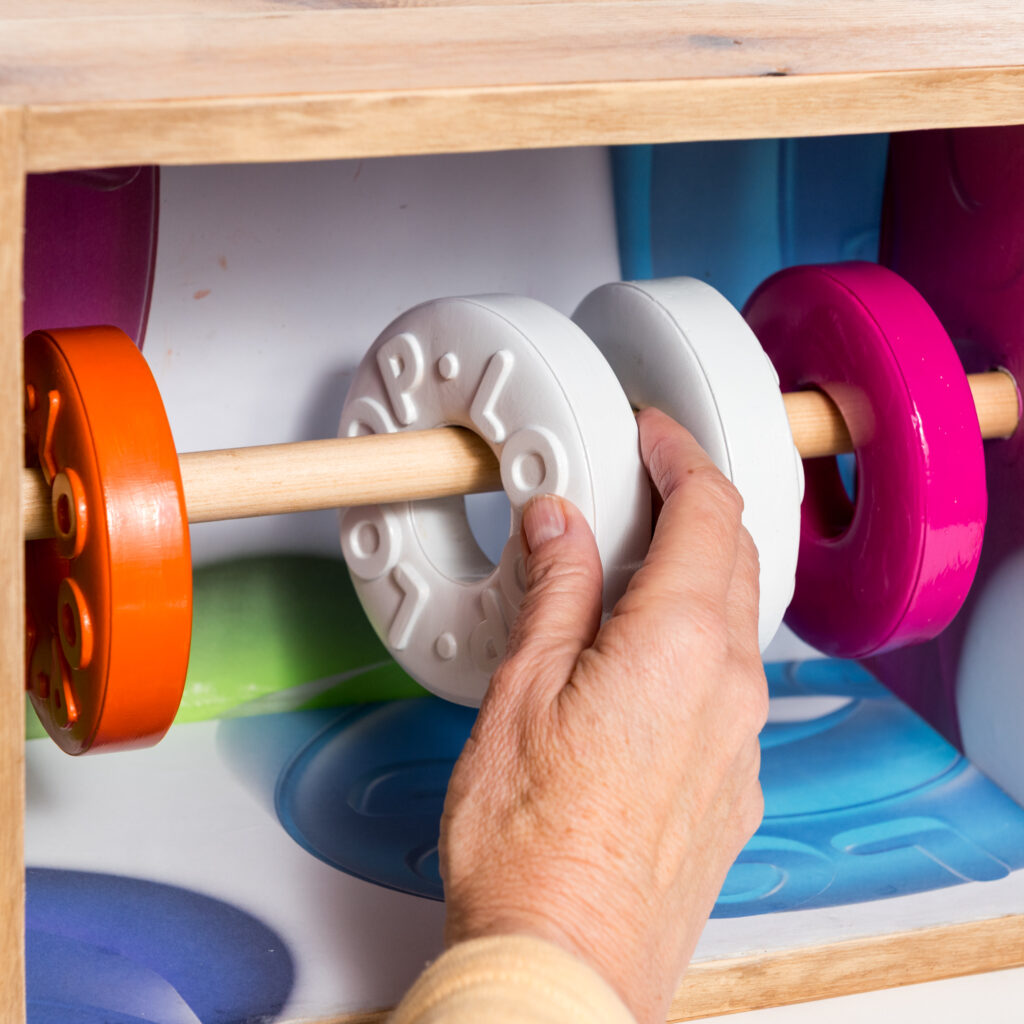
They sparked memories, opinions, and storytelling. The dementia group reflected warmly; the asylum-seekers were curious and questioning. With the visually impaired group, the conversation shifted again.
Many members, both young and older, have only recently begun making art, having previously thought – or been told – that it wasn’t for them. Now they support one another and experiment with new techniques. They responded enthusiastically to work by other disabled artists, particularly pieces that were abstract or narrative-driven.
Touch revealed hidden textures and details, prompting fresh interpretations. As one person observed, echoing the exhibition’s theme, “touch is another way of seeing.”
More information at https://anotherwayofseeing2025.wordpress.com/ or follow @anotheranotherwayofseeing on Instagram