Why West Africa is betting on private capital to bridge its infrastructure deficit
West African governments must expand the use of Public-Private Partnerships (PPPs) if they are to bridge the region's widening infrastructure deficit, Nigeria's infrastructure regulator has said, arguing that public finances alone can no longer meet growing demand for roads, railways, housing and other critical assets.
 Black News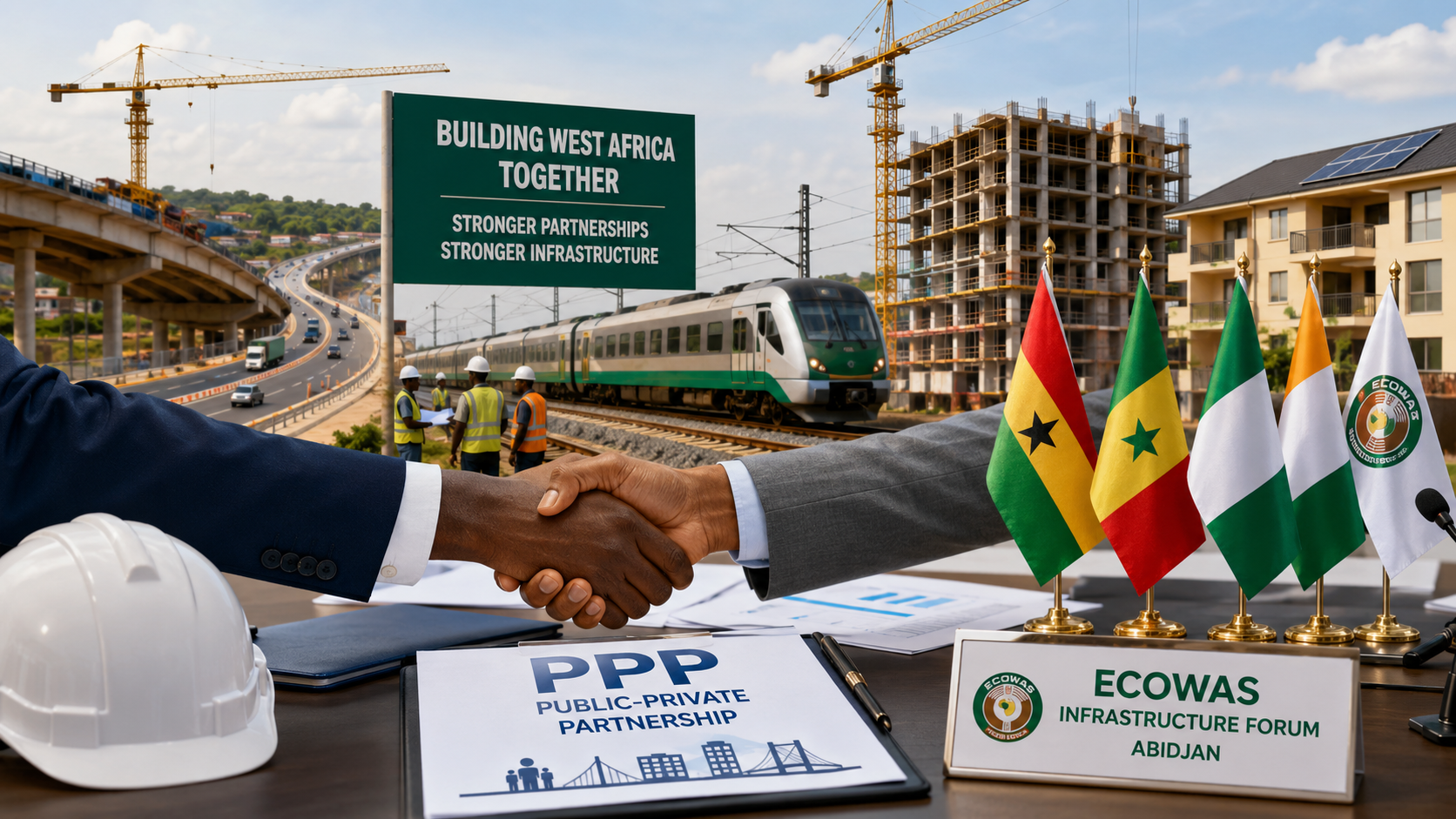

West African governments must expand the use of Public-Private Partnerships (PPPs) if they are to bridge the region's widening infrastructure deficit, Nigeria's infrastructure regulator has said, arguing that public finances alone can no longer meet growing demand for roads, railways, housing and other critical assets.
- Nigeria has urged ECOWAS member states to rely more on public-private partnerships (PPPs) to bridge West Africa's widening infrastructure financing gap.
- ICRC Director General Dr Jobson Ewalefoh said governments can no longer depend solely on public funding to deliver critical infrastructure.
- He called for stronger regulatory frameworks, more bankable projects and increased investment in project preparation to attract private capital.
- Officials from Ghana, Senegal and Côte d'Ivoire agreed that regional cooperation and private-sector investment are essential to accelerating infrastructure development.
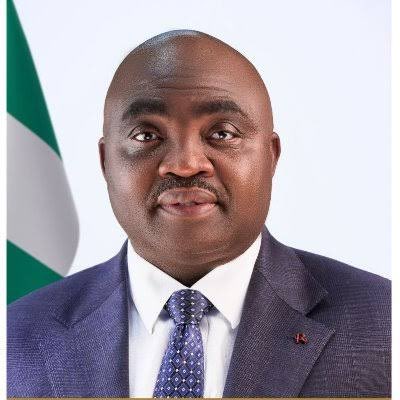
Speaking at the ECOWAS Infrastructure Forum in Abidjan, Director General of Nigeria's Infrastructure Concession Regulatory Commission (ICRC), Dr Jobson Oseodion Ewalefoh, said governments across the region should strengthen regulatory frameworks and develop bankable projects capable of attracting long-term private investment.
His remarks come as many African economies face mounting fiscal pressures, rising debt servicing costs and growing infrastructure needs that continue to outstrip available public funding.
Ewalefoh said PPPs have evolved beyond being an alternative procurement model, describing them as an increasingly important financing mechanism that allows governments to partner with private investors to develop, operate and maintain infrastructure while sharing project risks.
"We simply do not have enough public resources to develop every project through the solicited route," he said, adding that private-sector-led proposals could help governments expand their infrastructure pipeline while reducing the cost of project preparation.
He stressed, however, that privately initiated or unsolicited PPP proposals should complement, not replace, traditional government procurement processes.
DON'T MISS THIS: Nigeria approves $4.29bn ports, power projects as private capital returns
According to Ewalefoh, Nigeria has introduced safeguards to ensure such projects undergo the same level of scrutiny as government-sponsored initiatives, including eligibility requirements, governance procedures, the Swiss Challenge procurement model, application fees and performance bond requirements aimed at ensuring only viable projects proceed.
He also urged development finance institutions and international partners to increase investment in project preparation, arguing that a shortage of well-developed, investment-ready projects remains one of the biggest obstacles to infrastructure financing across Africa.
"If everyone agrees that Africa lacks bankable projects, then we must ask why development partners are unwilling to invest in preparing those projects," he said.
Beyond financing, Ewalefoh called for closer cooperation among ECOWAS member states through a regional network of national PPP institutions to strengthen technical capacity, harmonise project evaluation standards and improve information sharing on cross-border infrastructure initiatives.
DON'T MISS THIS: Lagos emerges as Africa's 2nd-largest city economy as GDP hits $259 billion
The panel also featured officials from Ghana, Senegal and Côte d'Ivoire, who shared their countries' experiences in using PPPs to accelerate infrastructure delivery.
Participants broadly agreed that stronger public-private collaboration will be essential if West Africa is to mobilise the investment needed to close its infrastructure gap and support long-term economic growth.