World Afro Day 2026: Do these simple tips to protect your natural hair
As a new World Afro Day report highlights ongoing Afro hair discrimination, here’s a reminder to Black women;… View Post The post World Afro Day 2026: Do these simple tips to protect your natural hair first appeared on Melan Magazine.
 Black News
As a new World Afro Day report highlights ongoing Afro hair discrimination, here’s a reminder to Black women; keep calm and carry on and remember these six simple steps to protect your natural hair.

Image credit: World Afro Day
Founded by Michelle De Leon, World Afro Day celebrates Afro hair textures, cultures, and identity on 15 September annually. Celebrating its 10-year anniversary this year, the non-profit organisation released an insightful report on Afro hair discrimination called the “Workplace Hair Acceptance Report”. Among key insights and recommendations, the report is calling on UK state regulation to combat natural hair discrimination by updating the 2010 Equality Act, much like the CROWN Act in the US.
Why we need a World Afro Day!
The 2026 report also highlights how some products marketed for Afro hair actually causes damage to natural hair textures. Speaking about the report, World Afro Day founder Michelle De Leon says: “This report adds to the evidence in understanding the significance of Afro hair, the acceptance and rejection of it and how this impacts our lives in unjust ways. The regulatory gap creates higher levels of chemical exposure for Black children through Afro hair products and hair extensions.
“The findings show that Afro-textured hair is treated as an issue in key areas: negative bias at work, and Afro hair can still be considered abnormal (69% of Black women felt this).”
While the work goes on to stamp out Afro hair discrimination, we embrace the chance to celebate Afro hair and encourage Black women to take individual measures to protect and flaunt their natural hair.
Here is a reminder of six things you should be doing to take care of your natural hair.
1. Research product ingredients
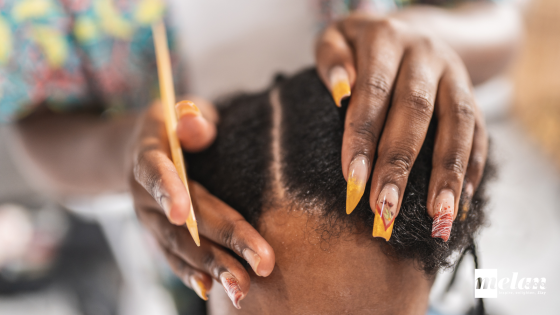
How often do we look at the ingredients list before picking up a bottle of hair product? It’s important we do this to understand what exactly we are feeding our hair. Prioritising products with safe, ideally natural ingredients works well for natural hair. Water is a great moisturiser for hair, so including this as part of your routine when using a curl cream, for example, is a good combination. Oils such as jojoba oil mimic the texture of the natural oil produced by the scalp, sebum, helping to prevent brittleness and breakage. Use products that add moisture to your hair and avoid overusing products with drying ingredients like isopropyl (IPA alcohol), as they can dry out your hair further and cause breakage when overused.
2. Low manipulative styles
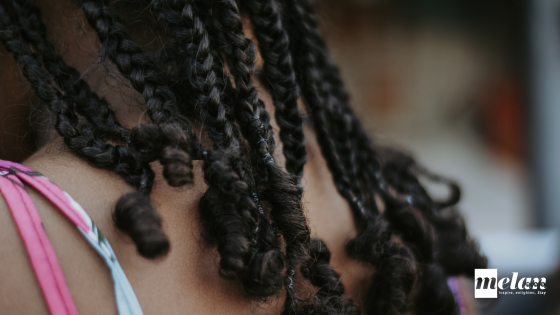
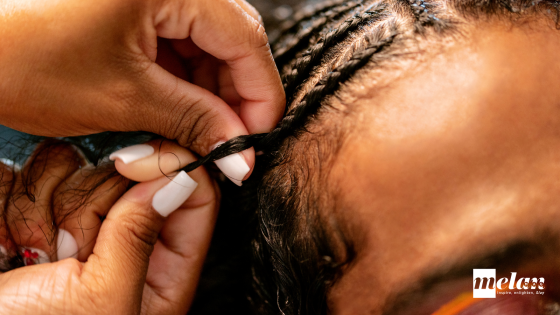
Not all braids are protective hairstyles. Styles that grip the hair too tightly or heavily manipulate the scalp can cause thinning and, over time, even hair loss conditions such as traction alopecia. Instead, opt for low-maintenance styles such as headwraps, minitwists, and styles that give your scalp room to breathe while still looking stylish.
10 simple tips to help you grow healthy Afro natural hair
3. Wear a silk or satin bonnet

Cotton draws moisture out of your hair, so when sleeping, always wear a silk or satin headwrap or bonnet to help retain moisture in your hair. If you sleep without a headwrap, opt for a satin or silk pillowcase as an alternative; as an added bonus, this material is good for your skin as well as your hair.
4. Trim your ends
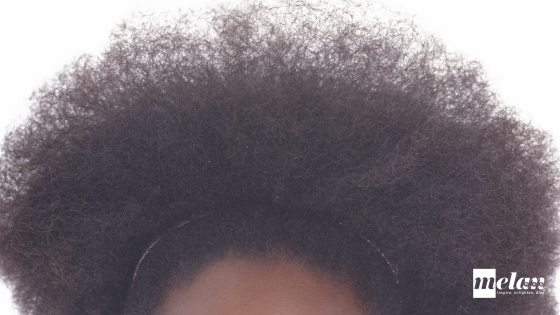
When you have split ends, it eventually travels from the bottom of your strands upwards to your root and break off. To prevent this, keep up with split ends and trim them to keep your overall head of hair healthier. You can do this when you have your hair in single braids or sections to see more clearly where the split ends are, or, even better, go to a professional stylist for trims when needed.
Charlotte Mensah’s debut book ‘Good Hair’ is the Afro & curly hair bible
5. Detangle when wet or damp
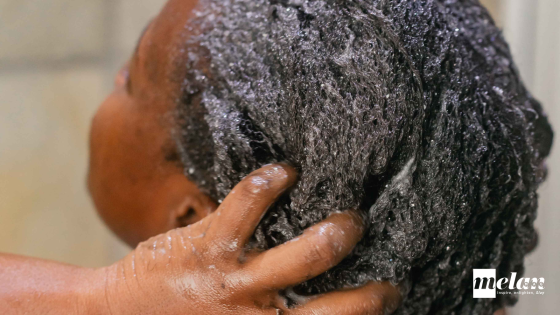
Your hair is at its softest when wet or damp, so this is the best time to detangle rather than when it’s dry. On wash day, after conditioning, for example, detangle your hair with moisturising products from the bottom upwards. Or, when moisturising daily, use a moisturising cream with a spray bottle of water to dampen your hair and create a comfortable environment for detangling knots.
6. Limit heat
Using heat occasionally and in moderation isn’t bad in itself, such as for a silk press for a special event. However, overusing heat products on your hair through straightening or blow-drying every time you wash your hair can cause damage to your natural coils and curls. Where possible, use a microfibre cloth to dry, air-dry, or use other heat-free methods to stretch your hair, such as through braids or African hair threading.
Written by Maxine Harrison
The post World Afro Day 2026: Do these simple tips to protect your natural hair first appeared on Melan Magazine.