Young Lunya: Swahili Spitfire
Taking Bongo Rap from the streets of Dar es Salaam to the global stage.
 Black News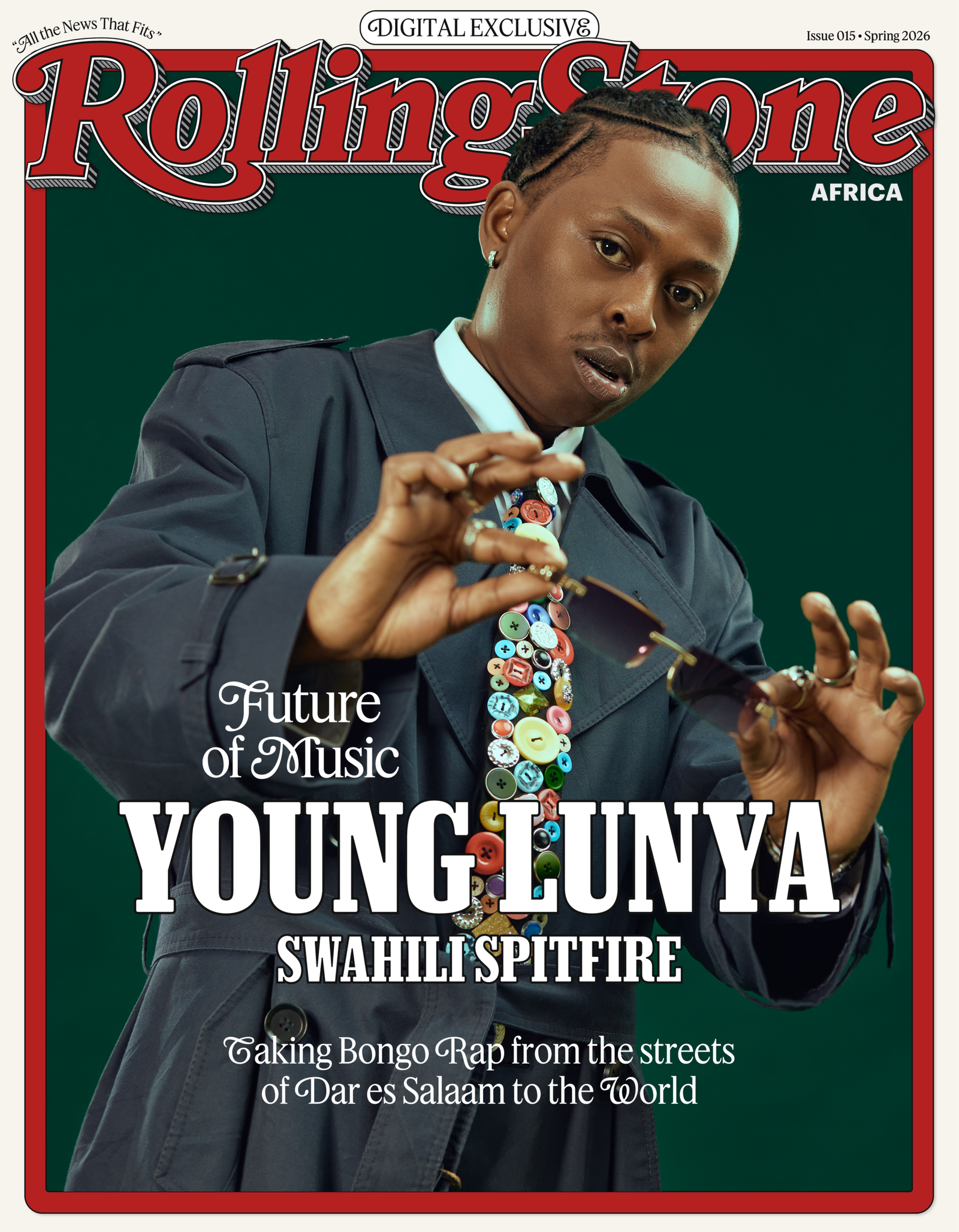

East African hip-hop existed outside the center of Africa’s global music conversation for years. While Afrobeats and Amapiano became international movements, Bongo rap remained one of the continent’s most lyrically rich yet underrecognized genres. Deeply rooted in Swahili storytelling, street realism, and poetic tradition, Bongo Rap captures authentic narratives and cultural expression, and Young Lunya belongs to a new generation of artists determined to bring greater recognition to the genre.
Born and raised in Dar es Salaam, Tanzania, the rapper was one of the members of the popular group OMG before embarking on a solo career in 2019. Even early in his journey, he stood out for his sharp lyricism, disciplined work ethic, and ability to balance introspective storytelling with modern rap production. But it was his relentless freestyle sessions circulating online that truly transformed him into one of East Africa’s most visible new rap voices.
His ascent was further solidified after the release of his debut solo single “Vitu Vingi” in 2022. That same year, he won Best Song in the Hip Hop Category and Hip Hop Male Artist of the Year at the Tanzania Music Awards, a major moment not just for his career but for the visibility of contemporary Bongo rap itself. Shortly after, Young Lunya made history as the first Tanzanian hip-hop artist signed to Sony Music Entertainment Africa, marking a landmark moment for East African rap on the continental stage.
Young Lunya is one of the African rappers that is no longer creating solely for local recognition. However, in his own case, Swahili remains central to that vision. His music carries the rhythm of Tanzania even when paired with globally influenced production. At a moment when conversations around African music are often dominated by Afrobeats and Amapiano, Young Lunya reminds us that the continent’s rap traditions remain equally vital.
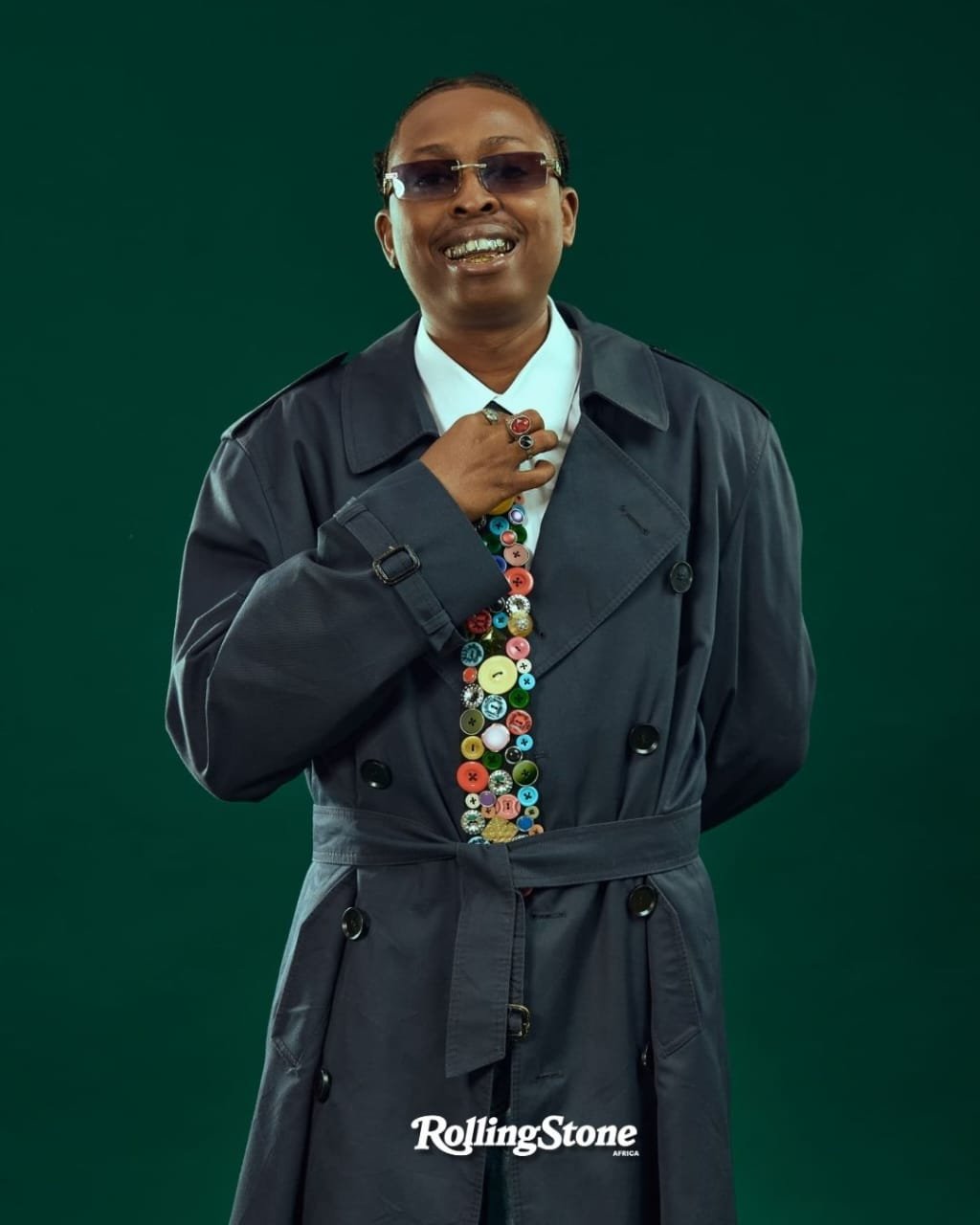
While speaking with Rolling Stone Africa as one of our Future of Music 2026 artists, Young Lunya touches on discipline, doubt, Swahili rap traditions, the future of East African hip-hop, and why authenticity remains central to his vision.
RSA: Your freestyle sessions played a huge role in building your name early on. Looking back, how important were those moments in shaping the artist you are today?
Young Lunya:
The Sessions were never just music. They were proof. I was building in public before I had a label, before I had a big single, before anyone was calling my name on award show lists. Every Session forced me to be better than the last one. That discipline became my foundation. I learned that consistency is a form of respect for your audience. People started trusting me because I showed up, every time, with something real.
RSA: Tanzanian hip-hop has a rich legacy, but your generation is bringing a new energy to it. How would you describe the sound and mindset of this new era?
Young Lunya:
The generation before us built the language. Professor Jay, Joe Makini, Nikki Mbishi — they proved Swahili could carry bars. What we’re doing now is taking that language somewhere new. The mindset has shifted. We’re not making music just for the neighbourhood anymore, we’re making music that can travel. But the authenticity stays. You can hear Dar es Salaam in what I do, even when the production sounds global.
RSA: Your music balances lyricism, melody and street realism. How do you approach storytelling when creating a song?
Young Lunya:
I write from experience first, emotion second, and craft third. I need to feel something real before I can make someone else feel it. The lyricism has to serve the story, not the other way around. When I’m working on a song, I’m asking: what is actually true here? What would someone recognise from their own life? That’s the connection point. The street realism isn’t a style choice, it’s just honesty.
RSA: You’ve become one of the most visible rap voices from East Africa. Do you feel a responsibility to represent Tanzanian hip-hop on a continental level?
Young Lunya:
Yes, I feel that responsibility. But I try to carry it lightly. If I chase the responsibility too hard, the music suffers. What I focus on is being undeniably good. When the music is strong enough, the representation takes care of itself. Tanzania gave me everything I have artistically, so every song I put out is already carrying that flag whether I say it or not.
RSA: African music globally is often dominated by Afrobeats and Amapiano conversations. Where do you think East African rap fits into the future of African music?
Young Lunya:
Afrobeats opened the door for African music globally. We should acknowledge that. But the conversation about African music can’t end there. East African rap has its own depth, its own history, its own poetry tradition going back before any of us were born. Swahili is one of the most spoken languages on the continent. The audience exists. What we need now is more consistent, world-class output from this region. When that happens, the global conversation will have to make room.
RSA: Many fans admire your consistency and work ethic. What has been the biggest challenge behind your rise that people don’t always see?
Young Lunya:
The doubt is the hardest thing to talk about. Not from other people, from yourself. There were periods where I was working hard and nothing was moving. No one outside sees those years. They see the awards, they see the views, they see the collabs. They don’t see the versions of yourself you had to let go of before you found the one that actually works. Getting here required patience that I had to learn the hard way.
RSA: Collaboration has become important in African music today. Which artists across Africa would you still love to work with, and why?
Young Lunya:
I want to work with artists who have something to say, not just a big number attached to their name. Across Africa there are rappers who are doing genuinely important work. M.I Abaga, Cassper Nyovest, Kwesi Arthur. Outside of hip-hop, I think there’s something interesting in bridging with Amapiano or Afro-fusion artists because the cultural exchange there could produce something unexpected. The best collabs happen when neither artist sounds like they’re compromising.
RSA: Streaming and social media changed the way artists break through. Do you think young African rappers today still need traditional industry structures to succeed?
Young Lunya:
You don’t need the old system to start. Social media and streaming let you build a real audience before you ever sign anything. But to scale, to sustain, to protect yourself legally and commercially, structure still matters. The key is understanding what you’re signing before you sign it. I’ve seen artists lose ownership of their best work because they didn’t know what they were agreeing to. The industry isn’t the enemy, but you have to come into it informed.
RSA: Your sound feels both local and global at the same time. How do you stay connected to your roots while still thinking internationally?
Young Lunya:
The language keeps me grounded. When I write in Swahili, I’m automatically connected to where I come from, to the people I grew up around, to that whole tradition of Swahili poetry I inherited from my grandfather. That’s the root. From there, I can go anywhere. The global thinking shows up in production choices, in who I collaborate with, in how I think about where the music lands. But the root doesn’t move. That’s what makes it authentic rather than generic.
RSA: When people look back at Young Lunya’s career 10 years from now, what do you want your impact on African music and culture to be?
Young Lunya:
I want people to say that Young Lunya made Bongo Rap mean something internationally. Not just that he made good songs, but that he raised the ceiling for what was possible from this part of the world. And I want young kids in Dar es Salaam, or Nairobi, or wherever, to hear what I built and believe that they can do it too without having to change who they are to get there.
That’s the real legacy.
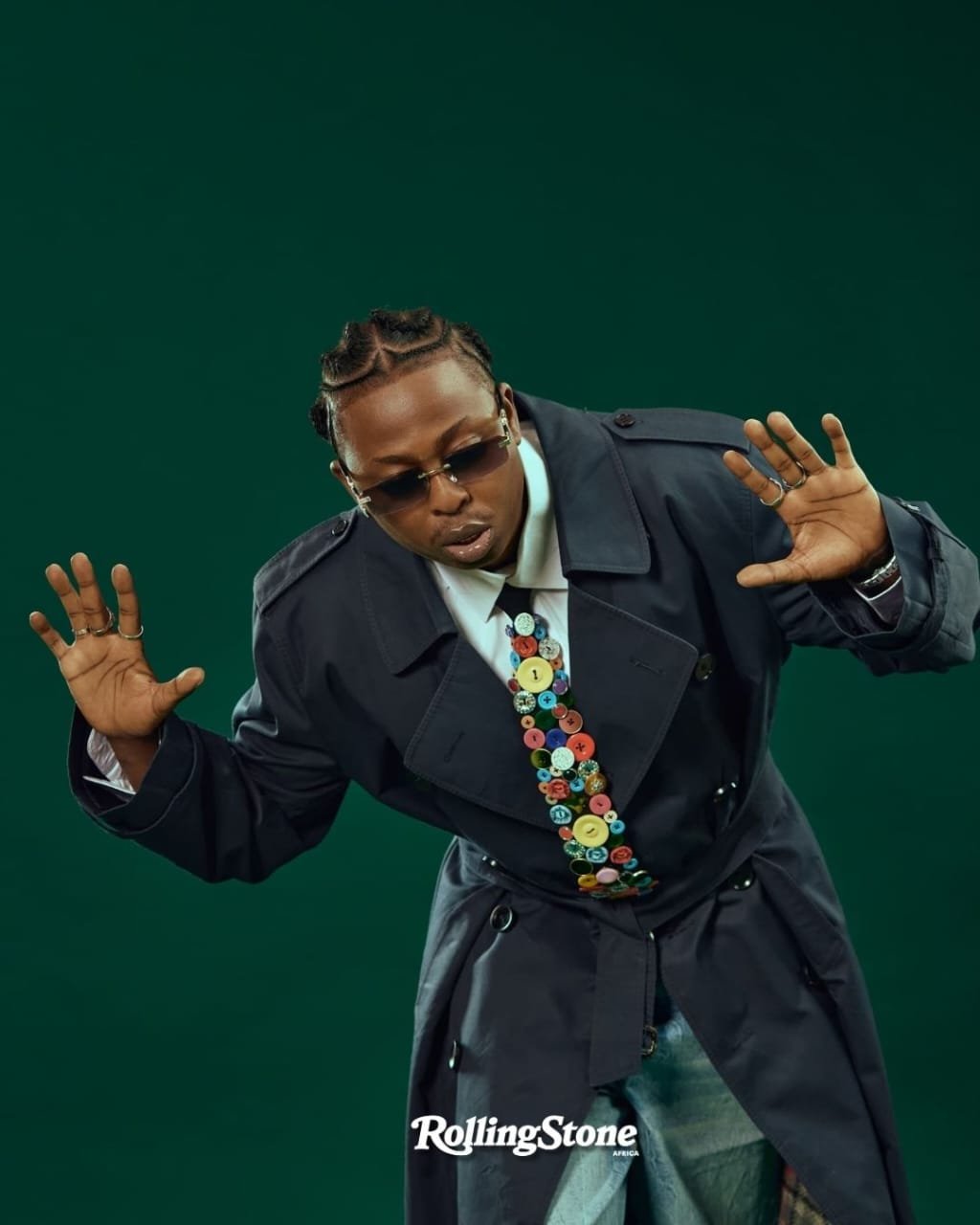
Credits:
Editor-in-chief: Gwen Madiba
Photographer : Denis Nthiga
Graphic designer: Kael
Project manager: Karl Nzamba
Stylist: Sharon Kinyanjui