Yuan makes inroads into Africa’s dollar-dominated trade system as China-Africa trade nears $400 billion
The Chinese yuan is steadily gaining ground in Africa’s trade system as the continent’s economic ties with Beijing deepen, challenging the long-standing dominance of the U.S. dollar in select cross-border transactions.
 Black News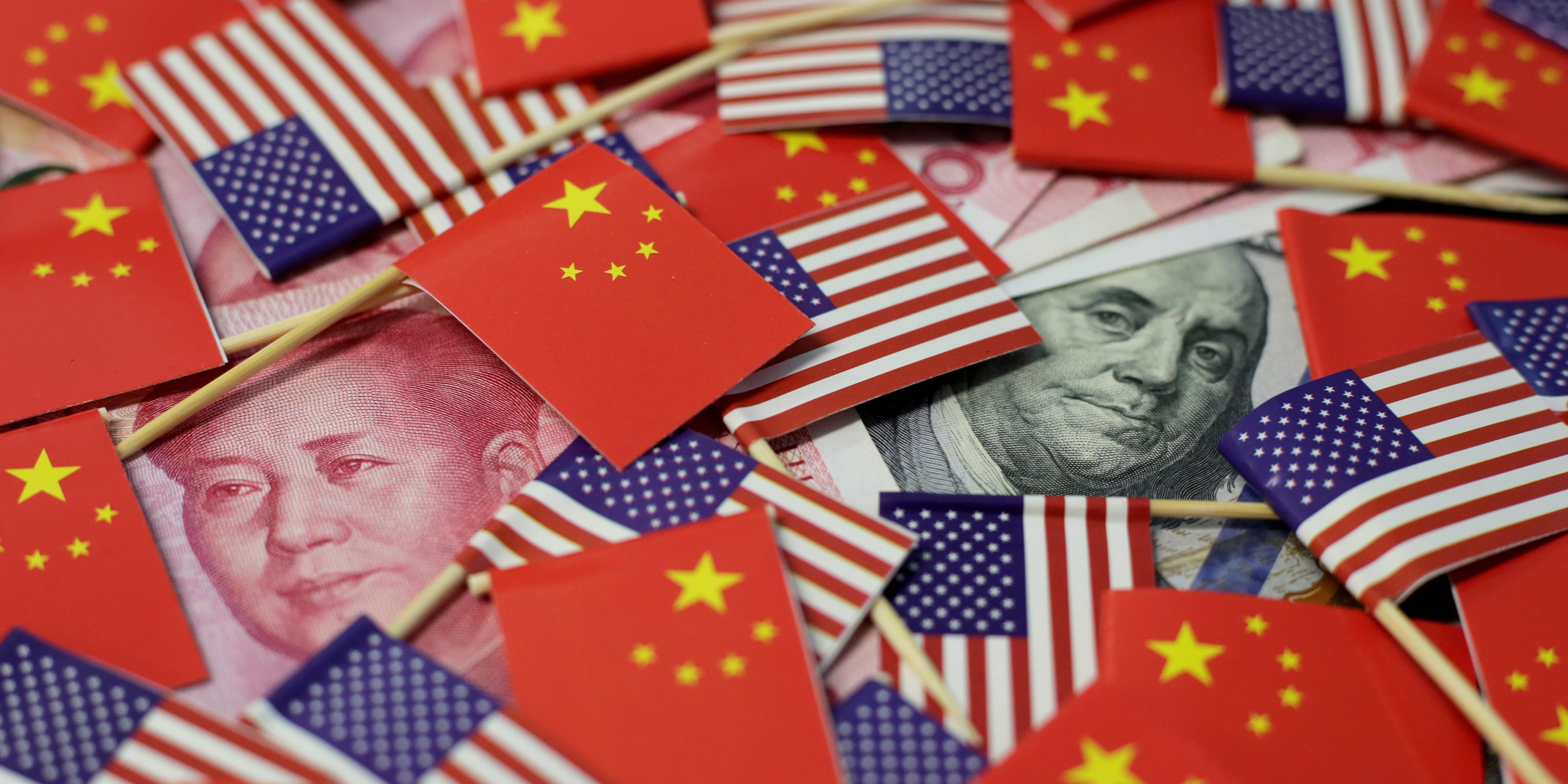
The Chinese yuan is steadily gaining ground in Africa’s trade system as the continent’s economic ties with Beijing deepen, challenging the long-standing dominance of the U.S. dollar in select cross-border transactions.
- The Chinese yuan is gaining prominence in Africa’s trade system as economic ties with Beijing strengthen.
- China-Africa trade reached a record $348.05 billion in 2025, with both exports and imports increasing significantly.
- Businesses and banks are using the yuan more frequently for trade finance and settlements, supported by new payment infrastructure and financial cooperation.
- China's Cross-Border Interbank Payment System (CIPS) is facilitating yuan transactions, with African banks like Standard Bank joining the network.
The shift is being driven by rapidly growing China-Africa trade, expanding payment infrastructure, and Beijing’s efforts to boost imports from the continent through tariff reductions and market access initiatives.
According to China’s General Administration of Customs, bilateral trade rose 17.7% in 2025 to a record $348.05 billion, up from $295.6 billion in 2024.
Chinese exports to Africa climbed 25.8% to $225.03 billion, while imports from the continent increased 5.4% to $123.02 billion, reinforcing China’s position as Africa’s largest trading partner.
DON'T MISS THIS: Here are ways China is expanding the Yuan’s footprint in Africa to reduce dollar dependence
With Beijing extending tariff-free access to exports from 53 African countries, trade experts believe China-Africa commerce could approach the $400 billion mark by the end of 2026, driven by stronger African exports, deeper economic integration, and expanding trade facilitation measures.
As trade volumes grow, businesses and financial institutions are increasingly using the yuan for trade finance, import payments, and export settlements linked to Chinese markets.
New cross-border payment systems and closer financial cooperation are also helping to facilitate transactions in the Chinese currency.
The trend is being supported by rising African exports to China, including products such as Kenyan avocado oil, South African apples, and Nigerian cattle bone pellets.
DON'T MISS THIS: Zambia becomes the first African country to take mining taxes in China’s yuan
While the U.S. dollar remains dominant in global trade and reserve holdings, analysts say the yuan’s growing role reflects Africa’s deepening commercial integration with China and a gradual diversification of the currencies used to conduct international trade.
Yuan adoption remains gradual despite rising trade flows
Standard Chartered Kenya chief executive Birru Sanghrajka told Reuters that yuan-denominated payments are becoming more visible in trade finance flows, even if they are not yet at a scale to challenge existing reserve currencies.
He described the trend as complementary rather than disruptive to the dollar system.
A major driver of this shift is China’s Cross-Border Interbank Payment System (CIPS), which is designed to facilitate yuan settlements outside traditional Western financial networks.
South Africa’s Standard Bank became the first African commercial bank to connect to the system in November, processing an estimated $500 million in transactions within its first four months.
DON'T MISS THIS: Mozambique weighs switching China debt to Yuan as default risk builds
According to Reuters, Ives Yang, head of sales for transactional banking at Standard Bank’s corporate and investment banking unit, said current activity is largely driven by import-export transactions between China and African markets, with ongoing efforts to expand participation across the continent.
Beijing has framed its tariff removal as part of a broader strategy to support African exports amid rising global protectionism.
Analysts say the combination of trade expansion, policy support, and alternative payment systems could gradually deepen the yuan’s role in Africa–China commerce over the long term.