Another African country has received close to $1 billion from the IMF
Côte d'Ivoire has received another significant financial boost from the International Monetary Fund (IMF), which approved around $833 million following the successful completion of important evaluations under its lending and climate-resilience programs.
 Black News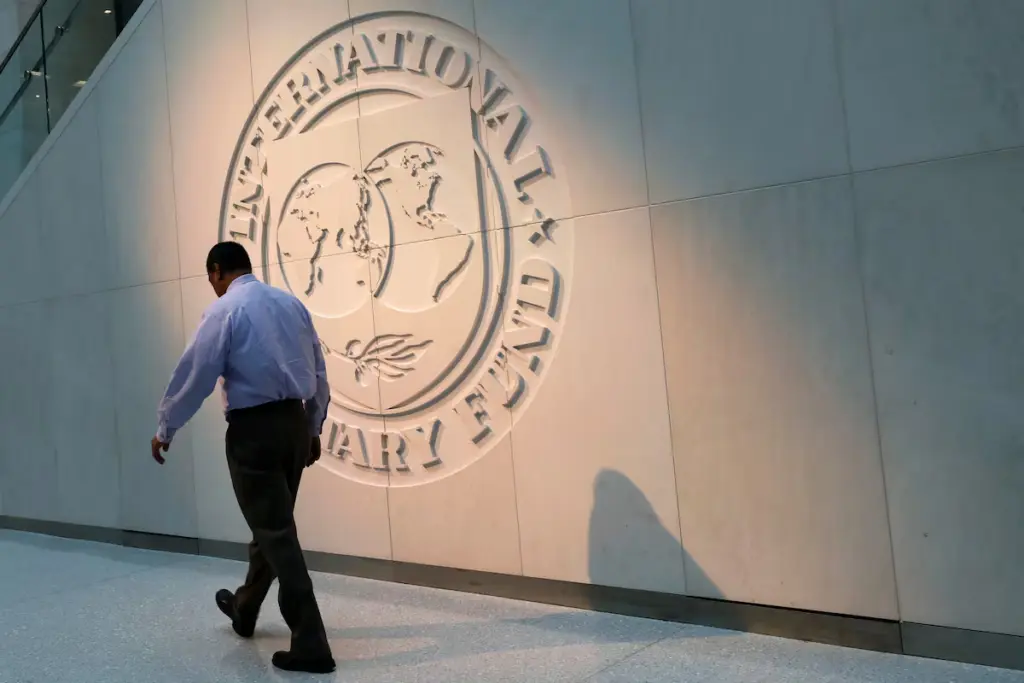

Côte d'Ivoire has received another significant financial boost from the International Monetary Fund (IMF), which approved around $833 million following the successful completion of important evaluations under its lending and climate-resilience programs.
- Côte d'Ivoire received approximately $833 million from the IMF after completing important program reviews.
- The country successfully implemented fiscal and structural reforms, reducing its budget deficit and public debt relative to GDP.
- IMF-supported programs since 2023 have boosted macroeconomic stability and development prospects in Côte d'Ivoire.
- Significant progress was made on climate-resilience measures, strengthening the nation’s ability to manage environmental and financial risks.
The latest transfer brings to an end various IMF-supported agreements that have contributed significantly to the West African nation's economic growth.
“The completion of these final reviews makes available SDR 247.774 million under the EFF, SDR 123.884 million under the ECF, and SDR 243.9 million under the RSF, equivalent to about US$832.8 million,” information on the IMF’s website reads.
“Program implementation under the EFF/ECF-supported program, approved in May 2023 in the amount of SDR 2,601.6 million (equivalent to 400 percent of quota or US$3.5 billion), has remained strong,” it adds.
Since the programs' inception in 2023, authorities have executed several fiscal and structural changes aimed at strengthening public finances, decreasing economic risks, and boosting long-term development prospects.
One of the most important accomplishments has been the lowering of the country's budget deficit to 3% of GDP by 2025, in accordance with regional standards.
The Western African country also saw a decrease in public debt compared to the size of its GDP for the first time in more than a decade, which helped improve its debt-risk profile.
“Côte d’Ivoire’s performance under the Fund-supported programs has remained strong, reflecting the authorities’ sustained commitment to macroeconomic stability and reform implementation,” Mr. Okamura, Acting Chair and Deputy Managing Director, stated, following the Executive Board discussion.
Aside from fiscal changes, the country has made headway on climate-related measures under the IMF's Resilience and Sustainability.
“The completion of all RSF reform measures is a significant achievement. The authorities’ climate reform agenda will help strengthen resilience, support the green transition, and reduce prospective balance-of-payments risks,” Mr. Okamura added.
DON’T MISS THIS: US tags Ivory Coast travel risk zone, warns visitors to stay alert
Despite these accomplishments, fiscal challenges in the Ivory Coast persist, as economic growth is expected to decline somewhat, from 6.5% in 2025 to 6% in 2026, following global uncertainties and lower external demand dampening activity.
Inflation, which was close to zero last year, has been projected to climb slightly owing to increasing food and energy prices.
Nonetheless, Côte d'Ivoire's economy remains one of the strongest in the area.
With continuing reforms and investment, the country is preparing to weather foreign shocks while maintaining its long-term growth rate.