Nigeria and Rwanda Strengthen Bilateral Ties as Tinubu and Kagame Push for African Integration
In a major diplomatic development for the continent, Bola Tinubu and Paul Kagame have pledged to deepen bilateral cooperation following high-level talks in Kigali. The meeting signals a growing commitment among African leaders to prioritize regional integration, economic cooperation, and strategic partnerships capable of transforming the continent’s future. The discussions between Nigeria and Rwanda go [...]
 Black News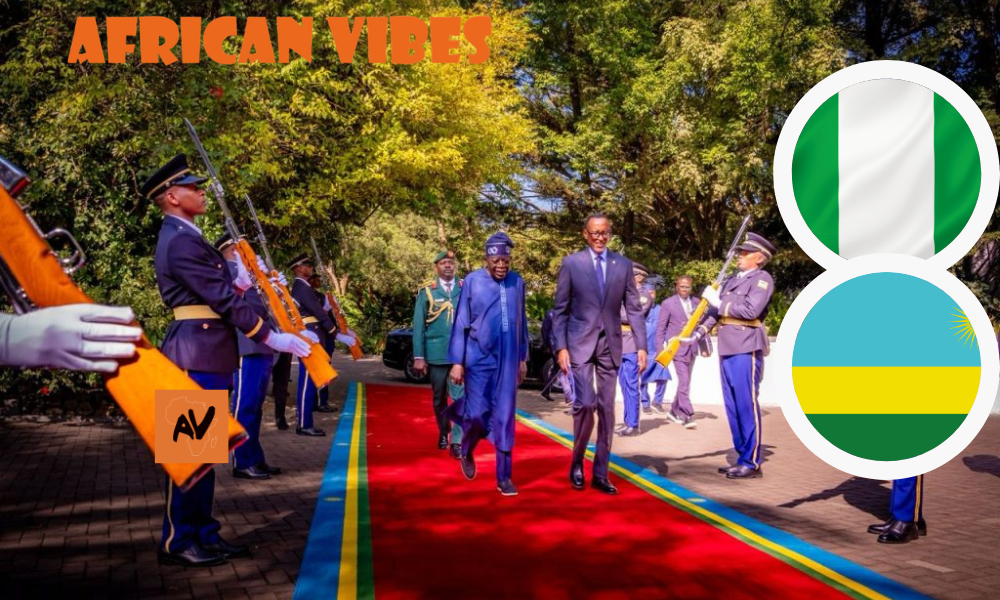
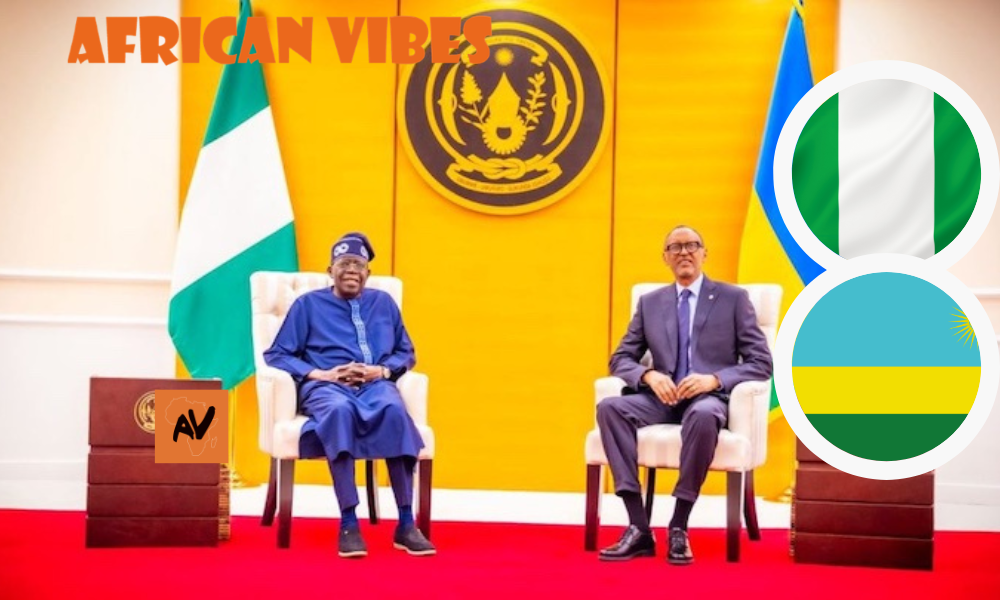
In a major diplomatic development for the continent, Bola Tinubu and Paul Kagame have pledged to deepen bilateral cooperation following high-level talks in Kigali. The meeting signals a growing commitment among African leaders to prioritize regional integration, economic cooperation, and strategic partnerships capable of transforming the continent’s future.
The discussions between Nigeria and Rwanda go beyond ceremonial diplomacy. They reflect an evolving vision of Africa in which nations increasingly see collaboration—not competition—as the path toward economic growth, technological innovation, and geopolitical influence.
For many analysts, the Kigali talks represent an important moment in the strengthening of West-East African relations. Nigeria, Africa’s most populous country and one of its largest economies, brings immense market potential and financial influence. Rwanda, meanwhile, has built a reputation for institutional efficiency, digital innovation, and rapid economic transformation.
Together, the two nations are attempting to build a partnership that could reshape regional cooperation across the continent.
Tinubu and Kagame Revive Strategic Cooperation Framework
One of the most significant outcomes of the meeting was the decision to revive the Joint Permanent Ministerial Commission between Nigeria and Rwanda.
The commission will serve as an institutional framework to coordinate cooperation in key sectors including:
- Trade and investment
- Technology and innovation
- Education
- Healthcare
- Infrastructure development
- Agriculture
- Regional security
The revival of this mechanism is particularly important because many African diplomatic agreements often fail at the implementation stage. By creating a permanent structure for policy coordination, both governments aim to ensure continuity, accountability, and measurable outcomes.
The move also reflects a broader understanding between Tinubu and Kagame that sustainable partnerships require institutions, not just political goodwill.
For Nigeria, the commission could provide access to Rwanda’s governance and digital development expertise. For Rwanda, it opens opportunities to connect more deeply with Nigeria’s massive economy and entrepreneurial ecosystem.
ALSO READ: Poverty’s Stubborn Grip and Why Nigeria’s Economic Gains Aren’t Reaching the People
Nigeria Considers Visa-Free Travel for Rwandans
Another major talking point during the Kigali meeting was mobility and visa facilitation.
Rwanda currently offers Nigerians a 30-day visa-free entry policy as part of its broader strategy to position itself as an African business and tourism hub. Nigeria is now considering reciprocating the arrangement for Rwandan citizens.
While visa policies may appear administrative, they carry significant economic and symbolic value.
Easier movement between the two countries could:
- Increase business travel
- Strengthen tourism
- Encourage student exchange programs
- Support startup collaboration
- Improve cultural ties
- Facilitate technology transfer
The proposed visa arrangement also aligns with the broader goals of the African Union and the African Continental Free Trade Area (AfCFTA), both of which emphasize the importance of reducing barriers to intra-African movement and commerce.
For young entrepreneurs and innovators, easier travel could create new opportunities for partnerships between Nigeria’s thriving startup ecosystem and Rwanda’s rapidly growing tech sector.
ALSO READ: Nigeria Repays IMF Loan 3.4 Bn
Trade Expansion at the Center of Nigeria -Rwanda Relations
Trade was another key focus of the bilateral discussions.
Despite their economic importance, trade between Nigeria and Rwanda remains relatively limited. Leaders from both nations acknowledged that enormous untapped potential exists in sectors such as agriculture, manufacturing, financial services, and digital commerce.
Nigeria could expand exports of:
- Petrochemicals
- Agricultural commodities
- Manufactured goods
- Financial services
Rwanda, on the other hand, offers strengths in:
- Technology services
- Innovation systems
- Processed agricultural products
- Logistics and business facilitation
The talks highlighted the need for stronger infrastructure links, harmonized trade standards, and more efficient customs systems to unlock bilateral trade growth.
Agriculture presents one of the most promising areas for cooperation. Nigeria’s vast agricultural production capacity combined with Rwanda’s expertise in value addition and processing could create integrated supply chains benefiting both economies.
Analysts believe such partnerships are essential if Africa wants to reduce dependence on raw commodity exports and build stronger intra-African manufacturing industries.
AfCFTA and the Push for African Economic Integration
The meeting between Tinubu and Kagame also placed strong emphasis on implementation of the African Continental Free Trade Area.
AfCFTA remains one of Africa’s most ambitious economic projects, aiming to create a single continental market capable of boosting intra-African trade, industrialization, and economic resilience.
However, implementation challenges continue to slow progress across many countries.
Nigeria and Rwanda appear determined to position themselves as leaders in advancing the agreement through:
- Digital trade cooperation
- Financial services integration
- Reduction of non-tariff barriers
- Cross-border business facilitation
- Technology-driven trade systems
Nigeria’s large financial sector and Rwanda’s digital innovation ecosystem could together provide a blueprint for how African economies modernize regional trade systems.
Their cooperation also sends a broader political message: Africa’s major economies increasingly recognize that continental prosperity depends on deeper integration rather than isolated national strategies.
A Growing Shift in African Diplomacy
The Kigali meeting reflects a wider shift in African diplomacy, where nations are moving toward pragmatic partnerships focused on economic outcomes.
Historically, African regional politics has often been shaped by competition, geopolitical rivalries, and fragmented trade systems. But leaders across the continent are increasingly acknowledging that cooperation is necessary to address shared challenges such as:
- Youth unemployment
- Climate change
- Infrastructure deficits
- Food insecurity
- Technological transformation
- Global economic uncertainty
The strengthening relationship between Nigeria and Rwanda demonstrates how countries from different regions of Africa can build strategic alliances despite differing economic structures and political histories.
Observers say the partnership could eventually become a model for broader cooperation between West African and East African economies.
Challenges Still Remain
Despite the optimism surrounding the talks, implementation remains the real test.
Diplomatic agreements across Africa have often struggled due to:
- Bureaucratic inefficiencies
- Limited funding
- Political transitions
- Weak institutional coordination
- Inconsistent policy execution
For the Nigeria-Rwanda partnership to succeed, both governments will need sustained political commitment and strong follow-through from ministries and agencies responsible for implementation.
Citizens and businesses will ultimately judge the partnership based on tangible outcomes rather than summit declarations.
Key questions will include:
- Will trade volumes actually increase?
- Will visa facilitation improve mobility?
- Will businesses benefit from new opportunities?
- Will the Joint Permanent Ministerial Commission remain active and effective?
These outcomes will determine whether the Kigali talks mark a transformational moment or simply another diplomatic gesture.
The Bigger Picture for Africa
At a time when Africa is pushing for greater self-reliance and economic transformation, the Nigeria-Rwanda partnership represents something larger than bilateral relations.
It reflects a growing realization among African leaders that the continent’s future depends on stronger cooperation between its key economies.
By focusing on trade, mobility, technology, and institutional coordination, Nigeria and Rwanda are attempting to demonstrate how African nations can build partnerships that deliver both national and continental benefits.
The meeting between Tinubu and Kagame may ultimately be remembered not only as a diplomatic engagement, but as part of a broader movement toward a more integrated and interconnected Africa.