Ghana and Nigeria Evacuate Citizens as Xenophobic Violence Sparks Tensions in South Africa
Fresh tensions have erupted across Southern Africa after reports of xenophobic violence and anti-immigrant protests in South Africa prompted neighboring African countries to begin evacuating their citizens. The developments have reignited long-standing concerns about the safety of African migrants living in South Africa and exposed growing frustration over unemployment, crime, and immigration within the country. [...]
 Black News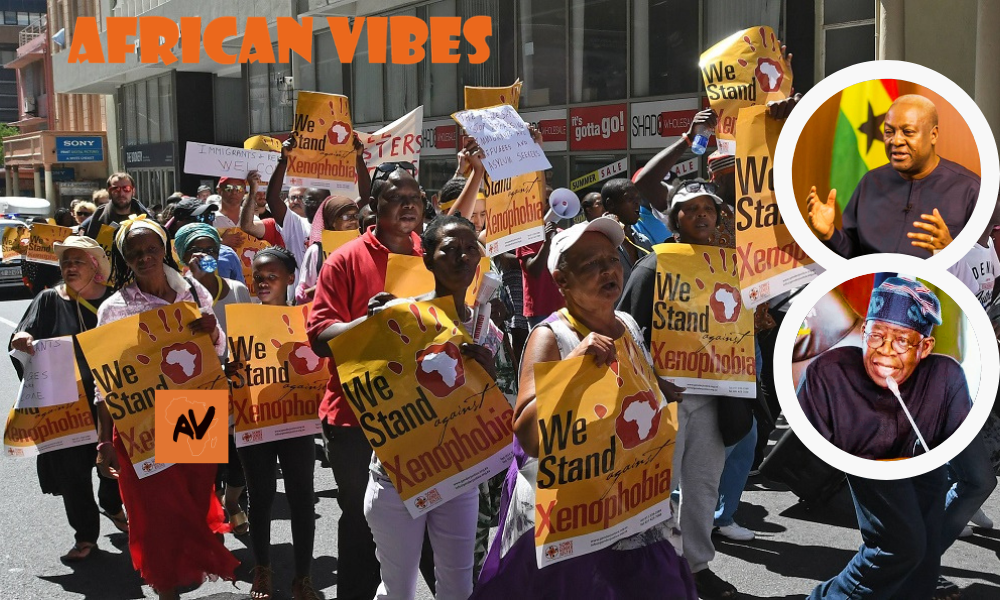
Fresh tensions have erupted across Southern Africa after reports of xenophobic violence and anti-immigrant protests in South Africa prompted neighboring African countries to begin evacuating their citizens. The developments have reignited long-standing concerns about the safety of African migrants living in South Africa and exposed growing frustration over unemployment, crime, and immigration within the country.
Governments including Ghana and Nigeria have announced emergency measures to assist their nationals amid fears of escalating violence targeting foreign-owned businesses and African migrants.
The situation has sparked outrage across the continent, with several African nations lodging diplomatic protests and demanding stronger protections for their citizens residing in South Africa.
Ghana and Nigeria Begin Citizen Evacuations
Authorities in Ghana and Nigeria confirmed plans to evacuate citizens who feel unsafe following reports of attacks, intimidation, and unrest in parts of South Africa.
Officials say many African migrants have expressed fear after videos circulated online showing violent confrontations, looting, and threats against foreign nationals. Some migrants reportedly abandoned businesses and homes in affected communities.
The evacuations represent one of the strongest diplomatic responses to anti-foreigner unrest in recent years and highlight growing concern among African governments over repeated cycles of xenophobic violence in South Africa.
Nigerian authorities, who have historically clashed diplomatically with South Africa over similar incidents, called for immediate action to guarantee the safety of foreign nationals.
Ghanaian officials also urged calm while encouraging citizens to remain vigilant and cooperate with evacuation arrangements where necessary.
South African Government Pushes Back Against Viral Claims
South African authorities have denied claims that widespread coordinated attacks are taking place nationwide, accusing social media users of spreading misinformation and fake videos.
Government officials argued that several clips circulating online are either outdated, taken out of context, or unrelated to the current unrest.
Authorities warned that misinformation risks inflaming tensions further and creating panic both inside and outside South Africa.
Officials insist that while isolated incidents of violence and criminality have occurred, the country is not experiencing a nationwide campaign against foreigners as portrayed online.
The government has also urged media outlets and influencers to verify information before sharing content that could intensify fear and diplomatic tensions.
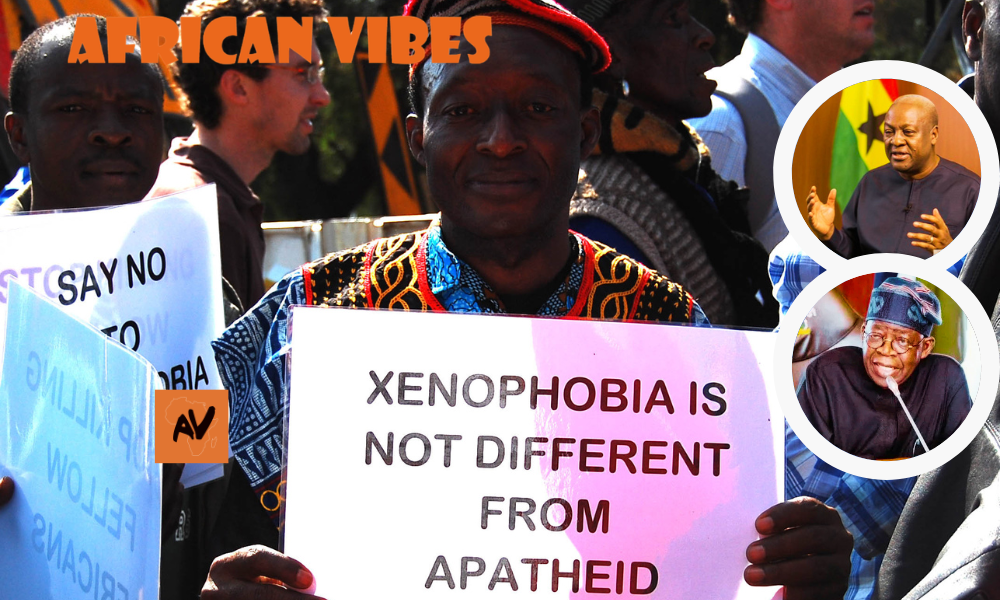
ALSO READ: Diplomatic Tensions Flare as Xenophobia Unrest Grips South Africa
President Ramaphosa Condemns Violence
South African President Cyril Ramaphosa condemned the violence, describing the attacks as criminal acts carried out by opportunists rather than organized government-backed actions.
Ramaphosa reaffirmed South Africa’s commitment to lawful immigration policies and rejected accusations that authorities are encouraging hostility toward foreign nationals.
He stated that criminal behavior targeting migrants undermines African unity and damages South Africa’s international reputation.
The president also called on law enforcement agencies to restore order and hold perpetrators accountable.
His remarks come as pressure mounts both domestically and internationally for the government to address tensions surrounding immigration, unemployment, and economic hardship.
Rising Anger Over Immigration and Economic Struggles
South Africa has experienced periodic outbreaks of xenophobic violence for more than a decade, often fueled by frustrations over unemployment, poverty, housing shortages, and crime.
Foreign nationals, particularly migrants from other African countries, are frequently accused by some groups of taking jobs, operating businesses unfairly, or contributing to criminal activity — claims that researchers and rights organizations say are often exaggerated or unsupported by evidence.
The latest unrest appears linked to growing economic frustration as many South Africans continue to struggle with rising living costs, unemployment, and pressure on public services.
Analysts warn that political rhetoric surrounding immigration could further inflame tensions if leaders fail to address underlying economic grievances.
Diplomatic Fallout Across Africa
The crisis is already straining diplomatic relations between South Africa and several African countries.
Governments across the continent have expressed concern over the safety of their citizens, with some demanding stronger legal protections and accountability measures.
The renewed violence has also revived debates around Pan-Africanism, African solidarity, and freedom of movement within the continent.
Critics argue that repeated attacks on African migrants contradict the ideals of continental unity promoted by institutions such as the African Union.
Others say African governments must work together to address the economic and social pressures driving anti-immigrant sentiment across the region.
Social Media’s Role Under Scrutiny
The crisis has once again highlighted the powerful role social media plays during moments of unrest.
While online platforms have helped spread awareness and document alleged attacks, authorities warn that unverified footage and emotionally charged posts may worsen tensions and fuel retaliatory anger across borders.
Analysts say distinguishing between real incidents and misinformation has become increasingly difficult during fast-moving crises.
As evacuations continue and diplomatic pressure grows, many Africans are closely watching how South Africa handles both the violence and the broader immigration debate in the coming days.
A Test for African Unity
The unfolding situation represents more than a security crisis — it is becoming a major test of African diplomacy and continental unity.
For many observers, the violence raises uncomfortable questions about migration, economic inequality, and how African nations treat one another during periods of hardship.
Whether the current tensions calm quickly or evolve into a wider diplomatic crisis may depend on how effectively South African authorities restore order, protect foreign nationals, and rebuild trust with neighboring countries.