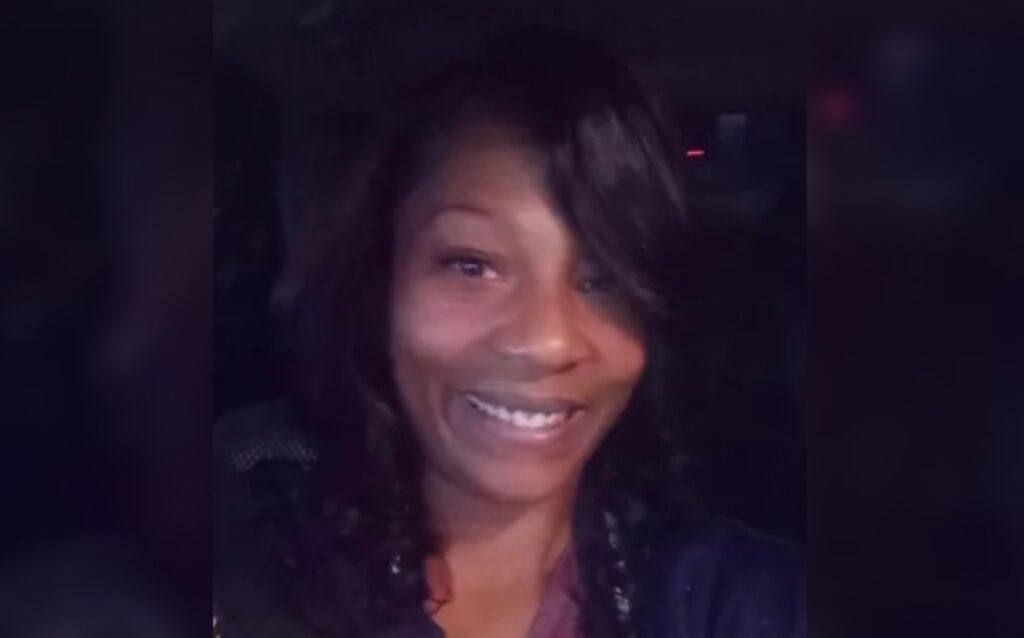
16-Year-Old White Girl Found Hanging from a Tree
*Disclaimer: The intentionally misleading title above was used to provoke reflection in the same spirit as the famous courtroom scene in A TIME TO KILL (1996), when attorney Jake Brigance, played by Matthew McConaughey, asked jurors to imagine the victim “was white.” The purpose is not deception. The purpose is to expose how race often […] The post 16-Year-Old White Girl Found Hanging from a Tree appeared first on EURweb | Black News, Culture, Entertainment & More.
 Black News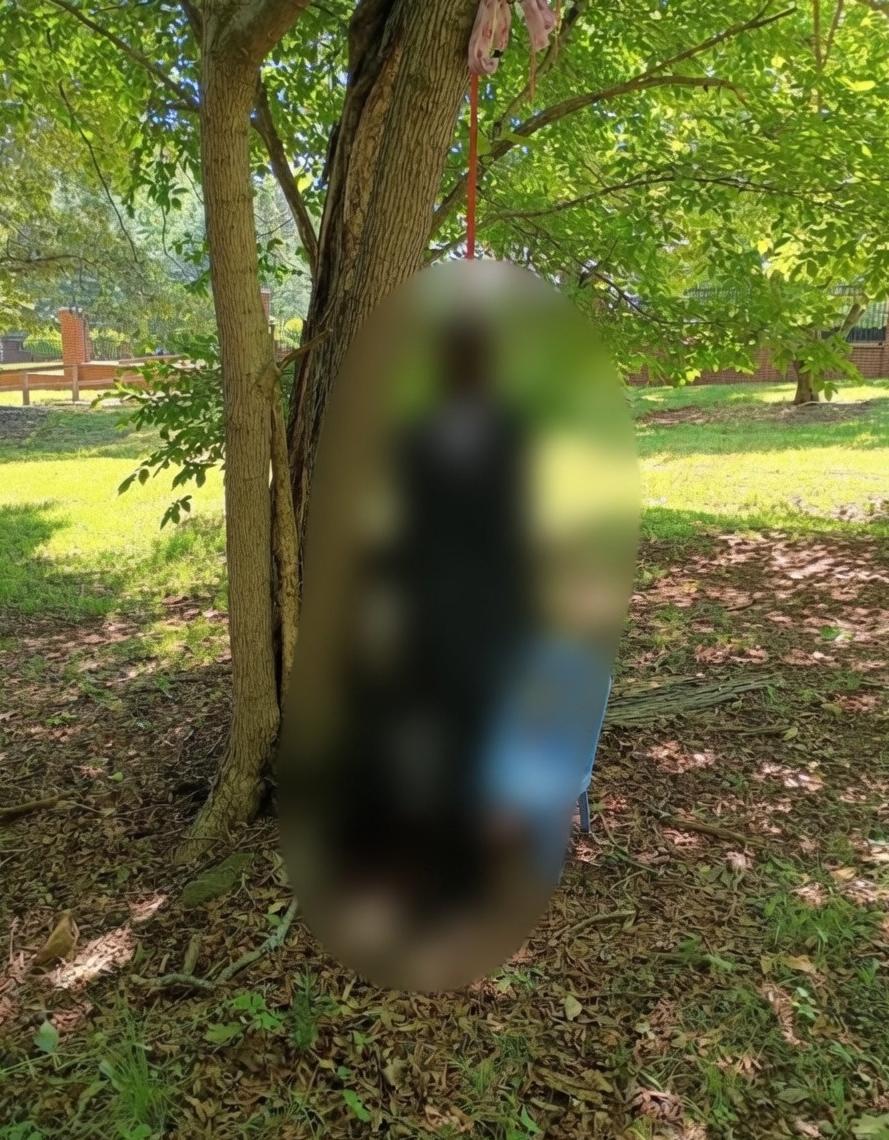
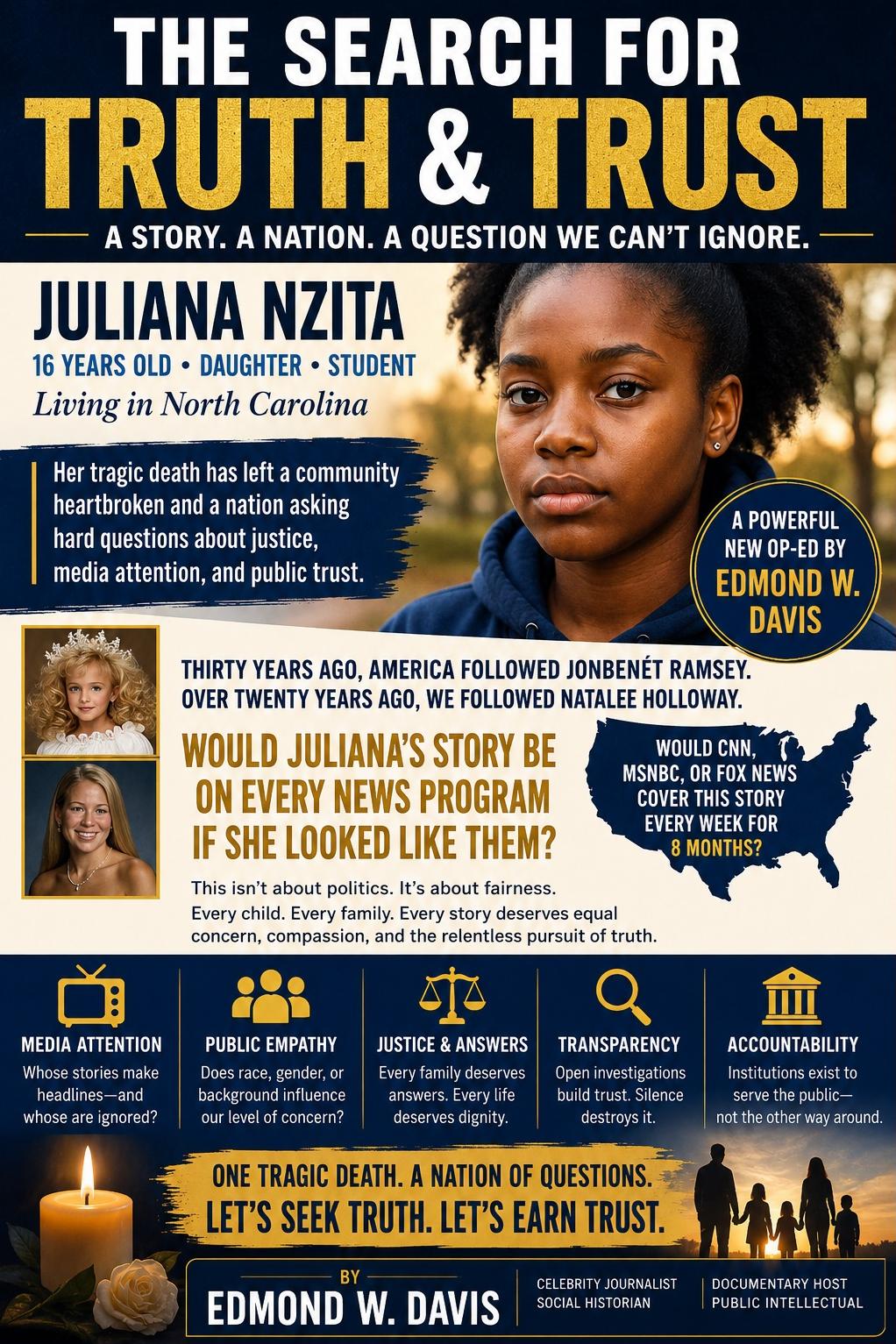
*Disclaimer: The intentionally misleading title above was used to provoke reflection in the same spirit as the famous courtroom scene in A TIME TO KILL (1996), when attorney Jake Brigance, played by Matthew McConaughey, asked jurors to imagine the victim “was white.” The purpose is not deception. The purpose is to expose how race often shapes public empathy, media urgency, and institutional response in America. Where is the national media coverage from CNN, News One, ABC News, BBC, FOX News, NBC, or any GOP so-called ‘pro-life’ wing media conglomerates? Discussing this yet again: An American terror, another lynching in the U.S.
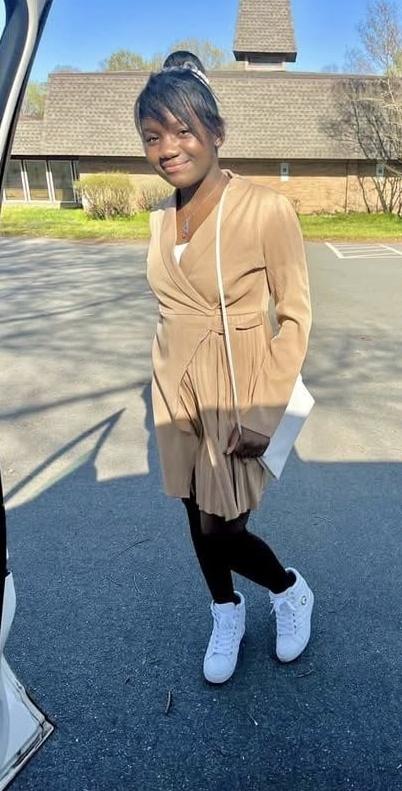
Sixteen-year-old Juliana Nzita, originally from the Democratic Republic of the Congo, was found dead hanging from a tree on church property in North Carolina earlier this month. According to reports obtained by The North Carolina Beat, her death was ruled a suicide according to law enforcement authorities. Yet for many Black Americans, the circumstances surrounding this case immediately triggered something deeper than grief: historical memory. Much of the modern lynching data is located in Julian’s Crimson Record, a credible and updated database of killings associated with lynchings in the United States during the first quarter of this millennium (2000-2025).
Not because every suspicious death is automatically a murder. Not because every investigation is corrupt. But because America has a documented history of racial terror involving Black bodies and trees. Law enforcement and medical examiners/coroners race quickly to say “suicide” as a way to close these cases. Today is a new day!
The disturbing details surrounding Juliana’s death have fueled widespread skepticism online and in Black communities. Reports described a rope tied high above, a small chair beneath the tree, and her feet allegedly still touching the ground. Community members reportedly stated they had been near the same location the previous day and “didn’t see anything.” These details do not prove foul play. But they do raise questions many believe deserve transparent answers.
That distrust did not emerge from nowhere.
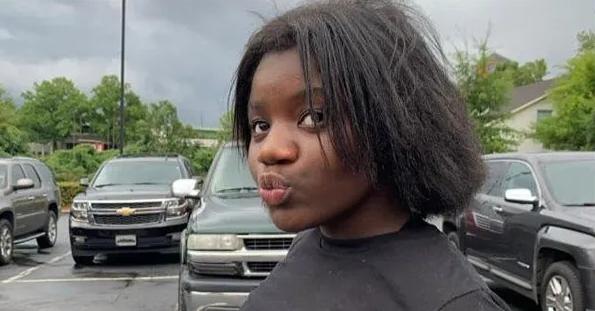
For generations, Black Americans have lived through eras where lynchings were ignored, racial violence minimized, and investigations mishandled or prematurely closed. Today, this dispensation yields the same results. From the Jim Crow South to unresolved modern millennium cases, many Black families have inherited a painful skepticism toward institutions that historically failed to protect them equally under the law.
As Proverbs 31:8–9 declares:
“Speak up for those who cannot speak for themselves; ensure justice for those being crushed.”
The modern conversation surrounding suspicious deaths involving Black victims cannot be separated from history. Civil rights archives, FBI investigations, and historical scholarship document hundreds of racial terror lynchings across the United States. Many were never prosecuted. Many perpetrators were never identified. Entire communities were often silent, thus providing grounds for the largest unscientific, unprescribed, and unstudied PTSD in human history.
Even today, debates continue surrounding several modern cases initially ruled suicides but later challenged by families, activists, or independent investigators. The concern expressed by many Black Americans is not merely about one case in North Carolina. It is about a pattern of distrust born from historical experience.
At the same time, truth and integrity matter.
Mental health struggles and suicide affect people of every race, ethnicity, age, and background, including Black communities. Public commentary must be careful not to erase the reality of mental health crises or make sweeping claims unsupported by evidence. But asking difficult questions about transparency, investigative thoroughness, and historical context is not extremism. It is citizenship.
Ecclesiastes 4:1 reminds us:
“I saw the tears of the oppressed—and they had no comforter; power was on the side of their oppressors.”
That scripture resonates because many Black Americans still feel powerless when suspicious deaths occur, and official conclusions arrive quickly while community questions remain unanswered. This case also touches a larger issue: the widening trust gap between Black communities and institutions of authority. Police departments, coroners, prosecutors, and media outlets may believe they are following procedure, but public confidence weakens when communities feel dismissed rather than heard.
And perception matters.
Particularly in the American South, where trees are not viewed neutrally in Black historical consciousness. Trees were once weapons of racial terror, and today they still are. That memory has not disappeared simply because the calendar changed.
The tragic 1963 bombing of the 16th Street Baptist Church in Birmingham, Alabama, the murders of civil rights workers, and generations of racial violence remain embedded in the collective memory of Black America. That history explains why many people react emotionally when another Black child is found hanging from a tree.
Isaiah 10:1 warns
“Woe to those who make unjust laws, to those who issue oppressive decrees.”
America does not need more division surrounding race, economics, education, health, safety, or Black families. It needs more truth. More transparency. More independent review when public trust collapses. More willingness to understand why historical trauma shapes modern reactions.
If authorities are confident in their findings, then transparency should not be feared. Independent review should not be resisted. Public questions should not be mocked.
Because when communities lose faith in institutions, suspicion grows in the vacuum.
Juliana Nzita deserved life past 16, and the United States deserves the truth. Her family deserves answers. And Black America deserves enough honesty to confront the uncomfortable truth that history still shapes how African American lives lost via lynchings are interpreted, investigated, and remembered.
Sources:
- The North Carolina Beat
- Charlotte-Mecklenburg Police Department reporting
- The Daily Tar Heel: “Modern-Day Lynching”
- Equal Justice Initiative (EJI) historical lynching reports
- FBI Civil Rights cold case archives
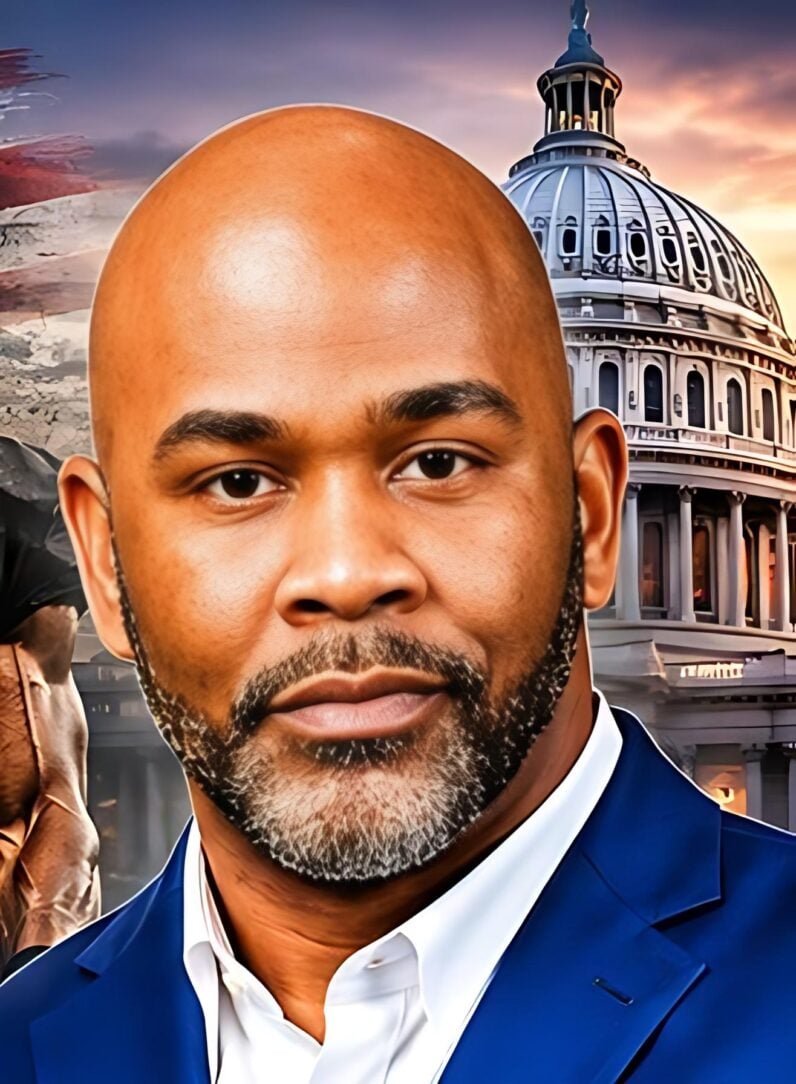
ABOUT THE AUTHOR:
Edmond W. Davis is an American celebrity journalist, social historian, culture commentator, documentary host, and public intellectual. Davis is the founder of the National HBCU Black Wall Street Career Fest. This native of Philadelphia, PA, his wife, and his son currently live in the Little Rock, Arkansas, area. Davis is committed to cultural empowerment and educational equity through storytelling and civic engagement. In 2026, Davis was a grand marshal at the 38th Annual African American History Month Celebration Parade, the largest in the U.S. during Black History Month.
(If You Like/Appreciate This EURweb Story, Please SHARE it!)
MORE NEWS ON EURWEB.COM: Juliana Nzita’s Hanging Death Leaves Charlotte Community Demanding Answers | VIDEO
We Publish Breaking News 24/7. Don’t Miss Out! Sign up for our Free daily newsletter HERE.
The post 16-Year-Old White Girl Found Hanging from a Tree appeared first on EURweb | Black News, Culture, Entertainment & More.