Activist seeks to block Constitution Amendment Bill No.3 changes witihout referendum
A Harare activist has approached the High Court seeking to stop government’s plans to enact and implement key provisions of the Constitution of Zimbabwe Amendment Bill No. 3 (CAB3) unless they are subjected a national referendum. The activist, Youngerson Matete, filed the application against Parliament of Zimbabwe, President Emmerson Mnangagwa, Justice Minister Ziyambi Ziyambi, the Zimbabwe […] The post Activist seeks to block Constitution Amendment Bill No.3 changes witihout referendum appeared first on NewZimbabwe.com.
 Black News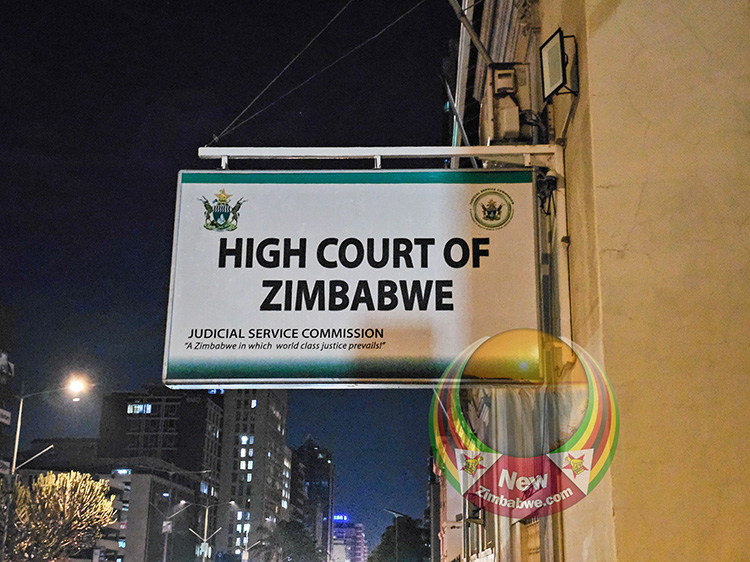
A Harare activist has approached the High Court seeking to stop government’s plans to enact and implement key provisions of the Constitution of Zimbabwe Amendment Bill No. 3 (CAB3) unless they are subjected a national referendum.
The activist, Youngerson Matete, filed the application against Parliament of Zimbabwe, President Emmerson Mnangagwa, Justice Minister Ziyambi Ziyambi, the Zimbabwe Electoral Commission (ZEC) and the Attorney-General.
In his application, Matete is seeking a declaratory order stopping the enactment and implementation of clauses 4, 9 and 10 of CAB3 unless they are first approved by citizens through a referendum.
Key proposals include extending the terms of office for the President, Members of Parliament and local authorities from five years to seven years. The bill also seeks to abolish direct presidential elections and replace them with a system where the President is elected by Members of Parliament.
Other proposed reforms include transferring voter registration duties from ZEC to the Registrar-General, creating a separate Zimbabwe Electoral Delimitation Commission, increasing the number of appointed senators and dissolving the Gender Commission by merging its functions into the Zimbabwe Human Rights Commission.
He argues that the proposed amendments fall under constitutional provisions protected by Section 328 of the Constitution, which limits Parliament’s powers to alter entrenched clauses without direct public approval.
Among other relief, Matete wants the High Court to declare that any attempt to implement the contested provisions without a referendum would be “unconstitutional, unlawful, and of no force or effect.”
He is also seeking an order interdicting Parliament, President Mnangagwa and the Justice Ministry from taking further steps towards implementing the amendments until a referendum has been conducted.
Matete further wants ZEC directed to organise and conduct a national referendum should the bill pass through Parliament.
CAB3, gazetted in February this year, proposes major changes to Zimbabwe’s constitutional and electoral framework.
In his founding affidavit, Matete said the proposed reforms fundamentally alter Zimbabwe’s democratic structure and should not proceed without the direct involvement of voters.
“The Bill proposes fundamental changes to Zimbabwe’s democratic structure, most notably extending presidential and parliamentary terms from five to seven years and replacing direct presidential elections with a parliamentary selection process,” he said.
He further argued that the Constitution protects citizens’ rights to participate directly in constitutional governance.
“The failure to subject the proposed amendments to a referendum unlawfully deprives the citizens of Zimbabwe of their constitutional right to participate directly in constitutional governance concerning entrenched constitutional provisions,” reads part of the affidavit.
Matete also told the court that constitutional supremacy and democratic participation were under threat if the amendments were enacted solely through Parliament.
“I submit that should the respondents proceed with the enactment of the Constitution of Zimbabwe Amendment (No. 3) Bill without first submitting the proposed amendments to a national referendum, this will undermine constitutional supremacy, the sovereignty of the people, democratic participation, the rule of law and the procedural safeguards entrenched under section 328,” he argued.
The applicant cited submissions made by the Zimbabwe Catholic Bishops Conference, Zimbabwe Council of Churches and the Law Society of Zimbabwe, which raise concerns over the need for a referendum before the amendments can take effect.
The court application follows growing debate over CAB3, with ruling party and government officials maintaining that the bill does not require a referendum, while critics argue the proposed changes could significantly weaken democratic accountability and constitutional safeguards.
The matter filed through the Zimbabwe Human Rights NGO Forum, with Advocate Wilbert Mandinde acting for the applicant is yet to be heard.
The post Activist seeks to block Constitution Amendment Bill No.3 changes witihout referendum appeared first on NewZimbabwe.com.