Africa attracts $16.1billion in Q1 2026 as mega deals dominate investment landscape
Africa’s private capital market opened 2026 with a surge in value, even as the number of deals slowed, pointing to a shift in how investors are approaching the continent.
 Black News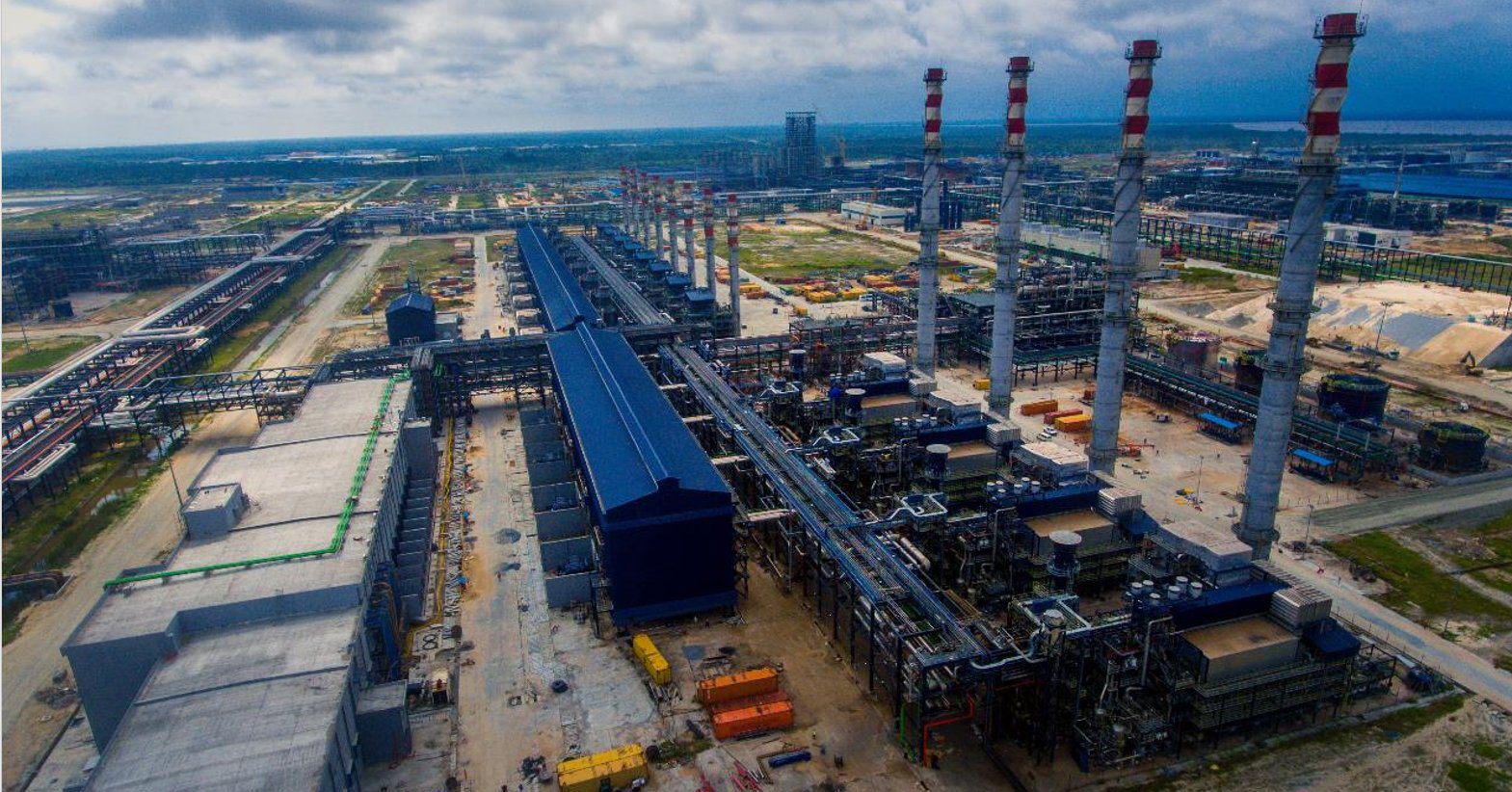

Africa’s private capital market opened 2026 with a surge in value, even as the number of deals slowed, pointing to a shift in how investors are approaching the continent.
- Africa’s private capital market hit $16.1 billion in Q1 2026 despite a drop in deal volume.
- Mega deals in Nigeria, including MTN–IHS and Dangote Refinery financing, drove most of the value.
- Mid-sized deals are recovering, with Egypt leading activity in that segment.
- Investors are focusing on infrastructure, fintech, and emerging sectors like mobility and AI.
Total disclosed deal value reached $16.1 billion in the first quarter, according to Stears’ latest Private Capital Activity Report, while transaction volume fell to 172 deals, down from 188 in the previous quarter and 201 a year earlier.
Rather than signalling a downturn, the data reflects a clear pivot toward fewer, larger investments focused on critical sectors.
That shift was most visible in Nigeria, where two transactions alone reshaped the quarter.
The $6.2 billion MTN–IHS deal and the $4 billion Dangote Refinery financing together accounted for roughly two-thirds of total disclosed value.
The scale of these deals highlights sustained investor appetite for infrastructure-heavy assets, particularly in telecommunications and energy, two sectors widely seen as essential to unlocking growth across Africa’s largest economy.
This trend aligns with bigger global capital movements. As interest rates remain relatively high in advanced economies and risk appetite stays selective, investors are increasingly concentrating funds in projects with clear, long-term returns.
In Africa, that often means infrastructure, where demand remains structurally strong and gaps are still wide.
Outside of headline transactions, there are signs of gradual recovery in the mid-market segment.
Deals in the $25 million to $75 million range edged higher during the quarter, suggesting that capital is beginning to flow more steadily beyond mega projects after a subdued period in 2024 and 2025.
Egypt emerged as a major beneficiary of that shift, accounting for more than half of these mid-sized transactions. Much of the activity was tied to real estate and urban development, sectors driven by population growth and continued pressure on housing supply.
The continent’s traditional investment hubs, Nigeria, Egypt, Kenya, Ghana, and South Africa, still dominate overall activity, but the gap is narrowing.
Countries such as Morocco, Zambia, and Uganda are increasingly capturing standalone deals, signalling a slow but noticeable diversification of investor interest beyond the usual markets.
In Ghana, deal activity remains steady but is increasingly linked to regional platforms rather than purely domestic plays.
This reflects the growing importance of cross-border business models, particularly in sectors like fintech, logistics, and distributed energy, where companies are scaling across multiple African markets.
Financial services continued to lead sector activity, accounting for nearly a third of all transactions.
Much of this was driven by lending to small and medium-sized businesses, an area that remains underfunded across the continent despite its importance to employment and economic stability.
West Africa maintained its position as the centre of this activity, underlining its role as Africa’s primary fintech hub.
At the same time, newer investment themes are gaining ground. Investor interest in electric mobility is rising, particularly in East Africa, where companies focused on electric vehicles, battery-swapping, and vehicle financing are attracting capital.
Early-stage funding is also beginning to reach artificial intelligence startups, pointing to a gradual expansion of Africa’s technology ecosystem beyond its traditional focus on payments.
Mergers and acquisitions accounted for nearly a quarter of all deals in the quarter, reflecting a market that is beginning to consolidate.
Activity was strongest in telecommunications and industrial sectors, with additional momentum in fintech as larger players absorb smaller platforms to scale more quickly and strengthen their infrastructure.
Institutional investors, particularly development finance institutions, remained central to the market’s momentum.
Afreximbank was the most active player in the quarter, participating in a dozen transactions spanning large-scale energy projects, transport initiatives, and early-stage startup funding through its accelerator programme.
Its involvement in deals such as the Dangote Refinery financing, alongside investments in logistics and mobility, underscores the continued importance of multilateral capital in Africa.
These institutions are not only funding major projects but also helping to reduce risk for private investors, making it easier to mobilise capital into sectors that are critical for long-term growth.
Taken together, the first quarter’s data points to a market that is not slowing, but evolving. Investors are becoming more selective, placing bigger bets on fewer opportunities, while gradually reopening the pipeline for mid-sized and emerging sectors.
For Africa, the implication is clear: capital is still flowing, but it is increasingly disciplined, strategic, and tied to projects with the potential to reshape entire industries.