Africa’s $230billion trade shift, how AfCFTA is reshaping the continent
Africa is accelerating efforts to trade more within its own borders as global economic tensions reshape supply chains, with new projections showing the strategy is beginning to deliver results.
 Black News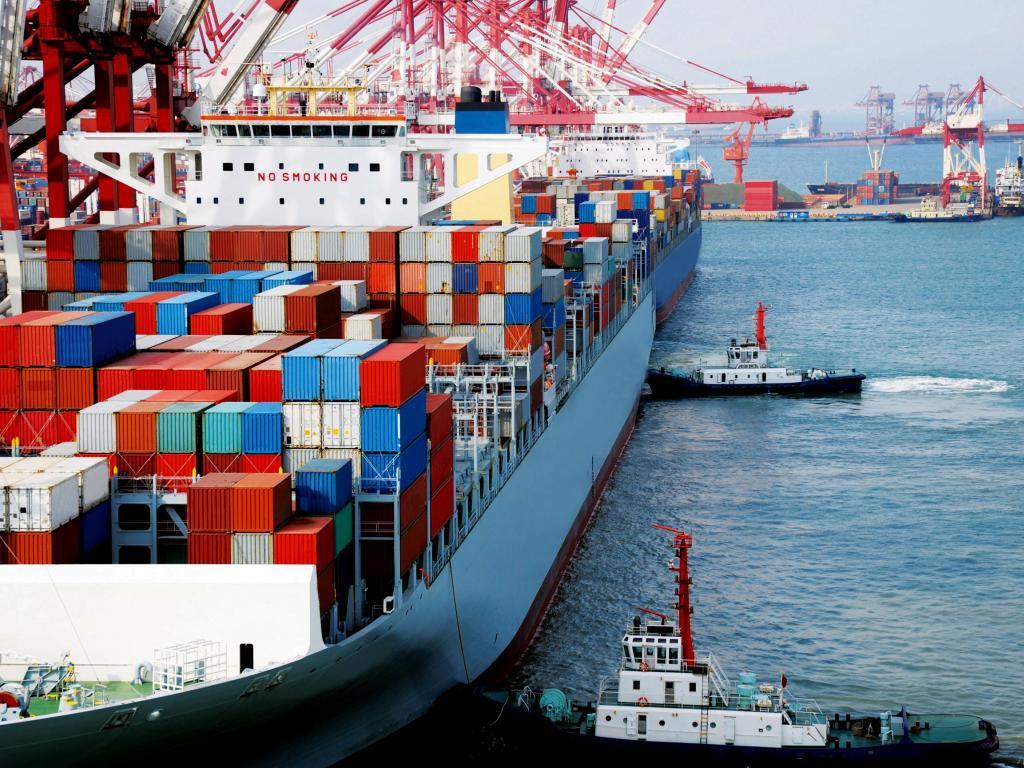
![Containers stack up at Apapa-port, Nigeria amid rising regional trade flows [Rock City Fm Radio]](https://ocdn.eu/pulscms/MDA_/911c13ac0b6d359577cf7c1d602e68d7.jpg)
Africa is accelerating efforts to trade more within its own borders as global economic tensions reshape supply chains, with new projections showing the strategy is beginning to deliver results.
- Africa is ramping up internal trade as global tensions reshape supply chains.
- Intra-African trade could hit $230billion by 2026 under AfCFTA reforms.
- Growth remains steady, but commodity dependence and weak financing pose risks.
- The shift could redefine Africa’s role in global trade.
A report by African Export-Import Bank said intra-African trade is on track to reach $230 billion by 2026, driven by faster implementation of the African Continental Free Trade Area, the continent’s most ambitious economic integration project.
The push comes as rising geopolitical tensions, protectionist policies and shifting trade alliances force regions to rely more on internal markets.
For Africa, long criticised for trading more with the rest of the world than with itself, the shift marks a structural change.
Total trade across the continent reached about $1.4 trillion in 2025, with intra-African trade accounting for 18 per cent.
While still low by global standards, the figure has been gradually improving as tariffs fall and cross-border systems are streamlined.
Afreximbank expects overall trade to expand by 10 per cent this year, reflecting stronger commercial activity and early gains from AfCFTA reforms.
Economic growth has also remained resilient. Africa’s GDP rose to 4.2 per cent in 2025 from 3.4 per cent a year earlier, supported by consumer demand, services expansion, export recovery and infrastructure investment. Growth is projected to edge up to 4.3 per cent in 2026.
DON'T MISS THIS:Afreximbank profit jumps 19% to $1.2billion as it expands lending across emerging markets
But the gains are uneven. Economies less dependent on oil and minerals are expected to grow much faster, around 7.5 per cent, highlighting the increasing importance of diversification.
That remains a weak spot. Many African countries still rely heavily on commodity exports, leaving them exposed to price swings and external shocks.
The report said capturing more value through local processing and manufacturing will be critical to sustaining growth.
Yemi Kale, Afreximbank’s chief economist, said the AfCFTA is evolving into a stabilising force in an uncertain global economy.
“By expanding intra-African trade, harmonising standards, and reducing tariff and non-tariff barriers, the continent can reduce its exposure to external demand shocks while building regional value chains,” he said.
However, he warned that limited access to financing could slow progress.
“Trade finance is a critical transmission channel between macroeconomic policy and real-sector expansion,” he said, noting that smaller firms are the most affected.
The financing gap, estimated at tens of billions of dollars annually, has widened as high global interest rates tighten liquidity, making it harder for businesses to fund cross-border transactions.
The report concluded that while risks remain, Africa is positioning itself to benefit from changing global trade patterns, particularly as companies look for new markets and production hubs outside traditional centres.