Africa’s lithium boom gets fresh boost, but miners face a familiar threat
Africa’s fast-growing lithium industry has received an unexpected boost after battery-metal prices rebounded sharply this year, improving the outlook for producers from Zimbabwe to Mali and for new mining projects preparing to enter the market. The recovery, however, may prove difficult to sustain.
 Black News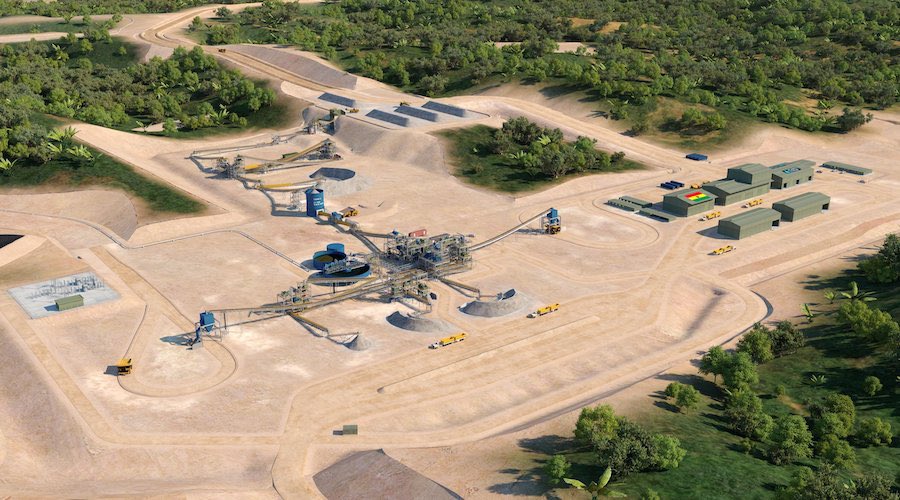
![A view of Atlantic Lithium’s Ewoyaa project site in Ghana’s Central Region, where the country’s first lithium mine is being developed to tap into growing global demand for battery minerals. [Atlantic Lithium Limited]](https://ocdn.eu/pulscms/MDA_/ac8e80d8481558868b2aadaa7f7fe815.jpg)
Africa’s fast-growing lithium industry has received an unexpected boost after battery-metal prices rebounded sharply this year, improving the outlook for producers from Zimbabwe to Mali and for new mining projects preparing to enter the market. The recovery, however, may prove difficult to sustain.
- Lithium prices have recovered sharply after two years of declines.
- The rebound is improving the outlook for Africa’s growing lithium industry.
- However, higher prices are encouraging miners worldwide to restart production.
- Analysts say fresh supply could limit further gains despite resilient demand.
As lithium prices climb, miners that suspended production during the market downturn are preparing to restart operations, raising the prospect of another wave of supply that could once again pressure prices.
Battery-grade lithium carbonate recently rose to about 165,000 yuan ($24,347) per tonne, rebounding from a three-month low of 151,750 yuan in late June, according to Trading Economics.
The recovery follows more than two years of heavy losses after rapid global production outpaced demand, sending lithium prices into one of the deepest downturns in the history of the battery metals market.
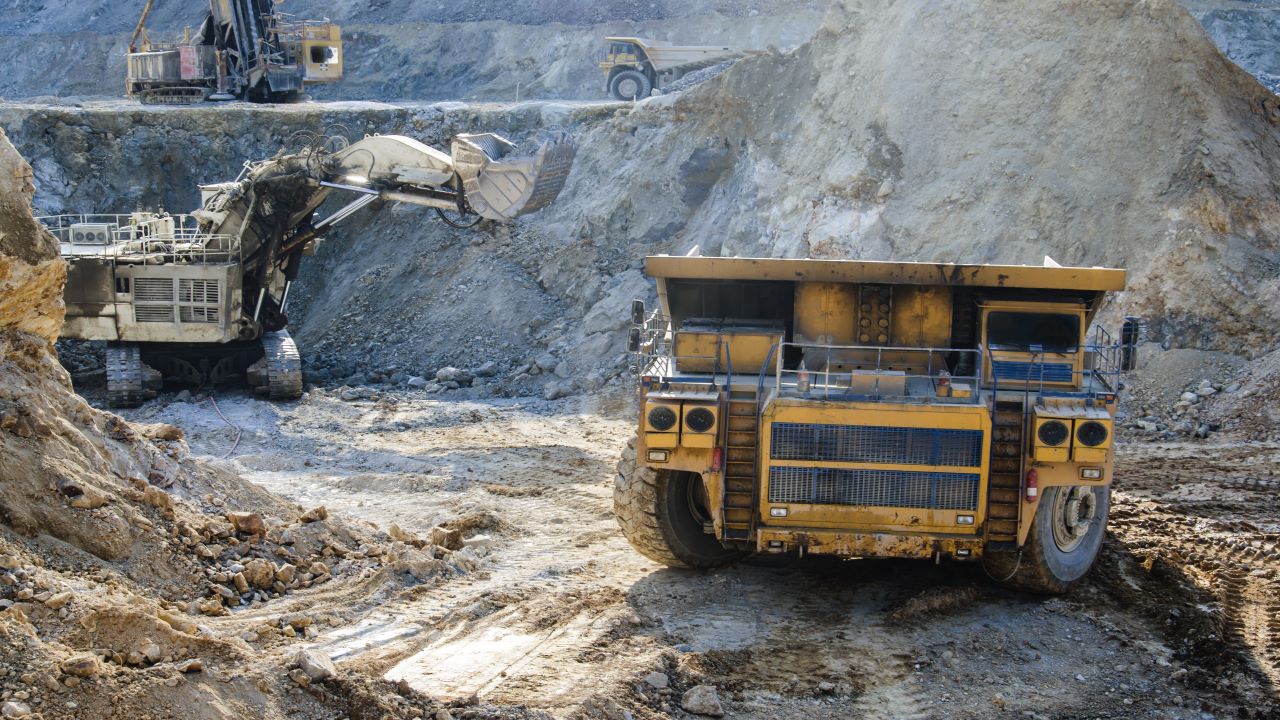
![Lithium bearing rock in the open pit at the Bikita Minerals lithium mine, operated by Sinomine Resource Group Co., in Bikita, Zimbabwe, on Tuesday, Nov. 19, 2024. [Cynthia R Matonhodze/Bloomberg via Getty Images]](https://ocdn.eu/pulscms/MDA_/4b8d65136f952fc2dd5a3c3481a7fb03.jpg)
Supply shock sparks recovery
One of the biggest catalysts behind this year’s rebound was the shutdown of Chinese battery giant CATL’s Jianxiawo lithium mine in August 2025 after its mining permit expired.
The mine accounts for production equivalent to roughly 3% of global lithium carbonate supply, making its closure significant enough to tighten the market.
DON'T MISS THIS: Nigeria bets on battery supply chain with West Africa’s biggest lithium processing plant
At the same time, Chinese battery manufacturers continued buying lithium despite softer electric vehicle sales as competition intensified across the world’s largest EV market. Strong demand from energy storage systems also helped absorb available supplies.
The result was a sharp recovery in prices that lifted sentiment across the global lithium industry. But the improving market is creating fresh challenges.
CATL has now secured the final regulatory approval required to restart production at Jianxiawo, although the company has not announced when operations will resume.
Australian producers have also begun reactivating mines that became uneconomic during last year’s price slump.
Analysts at Benchmark Mineral Intelligence, BNP Paribas and Citi say additional supply could once again weigh on prices if production returns faster than demand grows.
Why Africa stands to benefit
For Africa, the rebound comes at an important time. Governments across the continent are increasingly positioning lithium as a strategic mineral capable of supporting industrialisation, export growth and the development of battery value chains rather than simply another commodity for export.
DON'T MISS THIS: Nigeria unveils world-class mineral discovery as new 3.3 million-tonne lithium reserve comes to light
Zimbabwe has already established itself as Africa’s largest lithium producer, while Mali has begun commercial production from new projects.
Elsewhere, the Democratic Republic of Congo’s Manono project, one of the world’s largest undeveloped hard-rock lithium deposits, and Ghana’s Ewoyaa project are expected to strengthen Africa’s position in the global market once production begins.
The continent also holds some of the world’s largest undeveloped lithium resources, giving governments an opportunity to benefit from the accelerating global transition to cleaner energy.
Rather than exporting raw ore alone, several African countries are pushing investors to build processing facilities that can capture more value, create skilled jobs and generate higher export earnings.
DON'T MISS THIS: Africa’s top lithium producer plans to use its minerals to build roads and railways with China
A recovery with limits
Higher prices are already translating into stronger revenues.
Chile, one of the world’s leading lithium producers, recently reported $3.21 billion in lithium export earnings during the first half of 2026, almost three times the level recorded a year earlier, illustrating how quickly producer revenues respond when prices recover.
For African producers, a sustained recovery would improve the economics of existing mines, encourage investment in new projects and strengthen government revenues through taxes and royalties.
Yet the lithium market has repeatedly shown how quickly fortunes can change.
The same higher prices that improve profitability also encourage dormant mines to reopen, increasing supply and potentially capping future gains.
For Africa’s emerging lithium industry, the challenge is therefore not simply producing more lithium.
It is using periods of stronger prices to accelerate investment, expand local processing and move further up the battery supply chain before another supply-driven downturn reshapes the market once again.