Amid Iran tensions, Ghana secures fuel supply with 320,000-barrel Russian shipment
Ghana is emerging as one of the more insulated African economies amid rising global fuel disruptions triggered by tensions involving Iran, as the West African nation leans on Russia to stabilise its energy needs.
 Black News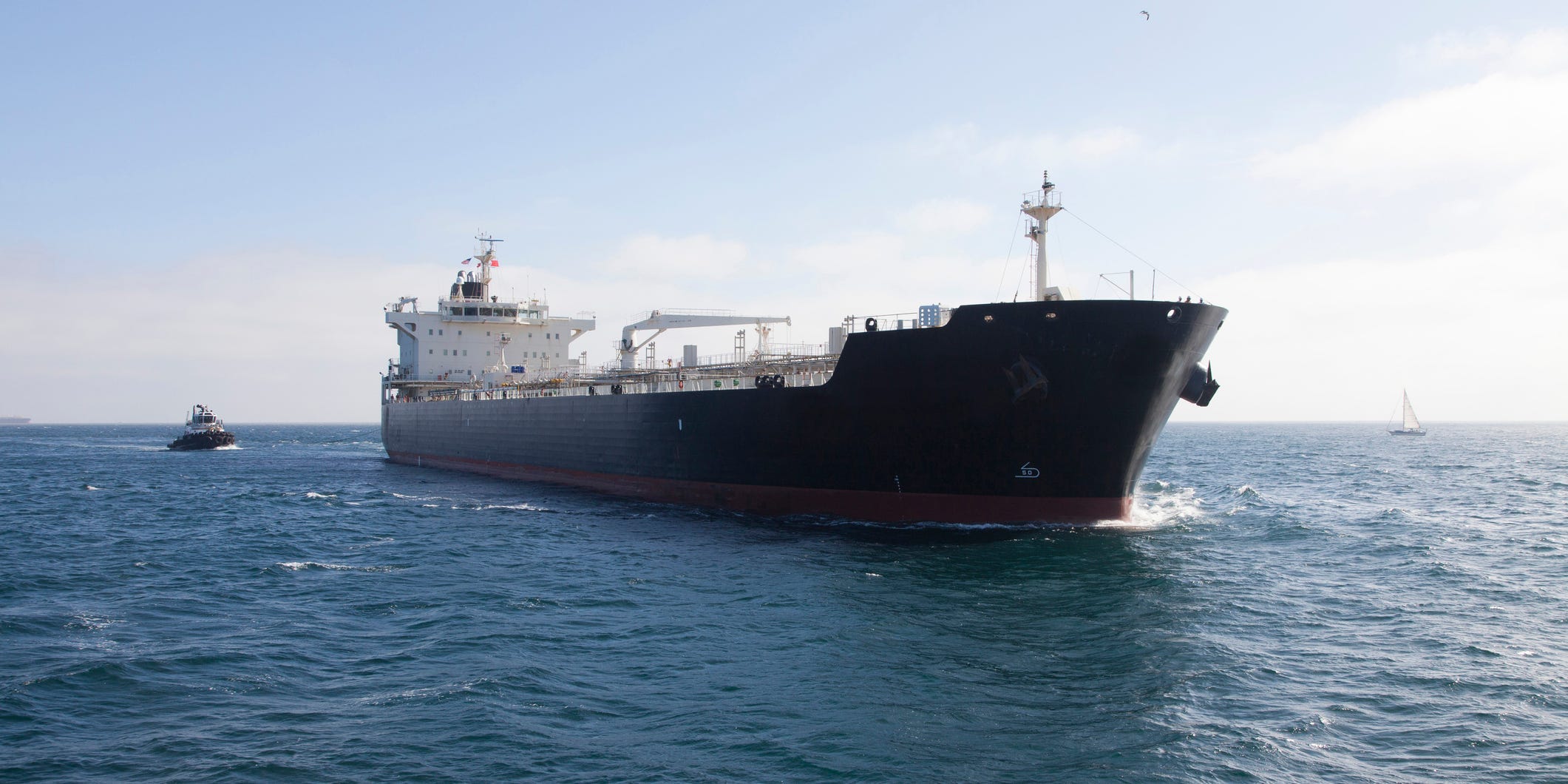


Ghana is emerging as one of the more insulated African economies amid rising global fuel disruptions triggered by tensions involving Iran, as the West African nation leans on Russia to stabilise its energy needs.
- Ghana is maintaining energy stability amid global fuel disruptions by diversifying its supply sources, including importing fuel from Russia.
- A Russian tanker carrying 320,000 barrels of refined fuel is en route to Ghana, highlighting ongoing flows from new suppliers.
- The global crisis, intensified by tensions involving Iran and the closure of key shipping routes, has exposed Africa’s fuel import vulnerabilities.
- Ghana, unlike some neighboring countries, has enough petroleum reserves for six weeks and is actively seeking more supplies to protect its economy.
A tanker carrying refined fuel from Russia is currently en route to Ghana, underscoring these ongoing flows.
According to Bloomberg, the Hellas Fighter, loaded with clean petroleum products at Vysotsk, is heading to Tema, the country’s main oil hub, with approximately 320,000 barrels onboard.
Ship-tracking data shows the vessel was passing Mauritania earlier this week and is expected to arrive on April 6.
The shipment highlights Ghana’s strategy of widening its supplier base at a time when global energy markets are under strain.
Disruptions linked to the Iran crisis and the closure of key shipping routes such as the Strait of Hormuz have heightened fears of supply shortages and driven up fuel prices globally.
Africa’s fuel vulnerability exposed
Across much of sub-Saharan Africa, the crisis is exposing longstanding structural weaknesses. Many countries rely heavily on imported refined fuel, leaving them vulnerable to global shocks, shipping disruptions, and price volatility.
![Ghanaian President John Dramani Mahama speaking in Zambia, where he outlined Ghana’s plan to grow foreign exchange reserves beyond $20 billion by 2029 as part of his economic reset agenda. [Photo by Jonathan Brady/PA Images via Getty Images]](https://ocdn.eu/pulscms/MDA_/727bb36a6ab7f523be3417578753d5bd.jpg)
Speaking at the World Affairs Council in Philadelphia, John Dramani Mahama said Ghana has enough petroleum stocks to last about six weeks despite uncertainty in global oil markets driven by tensions involving the U.S., Israel, and Iran.
He noted the economy has remained relatively stable but warned that fuel prices affect “virtually every sector of the economy.”
“We are taking steps to ensure that the economy is cushioned,” Mahama said, adding that the government is making a “real push” to secure additional supplies, while expressing hope that “cooler heads will prevail.”
Nations like South Africa are already experiencing supply pressure and surging demand ahead of price hikes, while others face logistical bottlenecks and foreign exchange constraints that limit their ability to secure steady fuel supplies.
For Ghana, turning to Russia reflects both pragmatism and necessity. Russian fuel has become more accessible to emerging markets in recent years, often at competitive prices, as Moscow seeks alternative buyers.
By tapping into these flows, Ghana is able to cushion itself against disruptions from traditional suppliers and maintain more stable supply chains.
As global tensions continue to reshape energy markets, Ghana’s approach underscores a broader shift: African countries are increasingly diversifying supply sources to navigate an uncertain and rapidly evolving fuel landscape.