As another cyclone hits eastern coast, India must work on protecting livelihoods – not just lives
The focus must shift to cash transfers to protect property and reduce damage.
 Black News
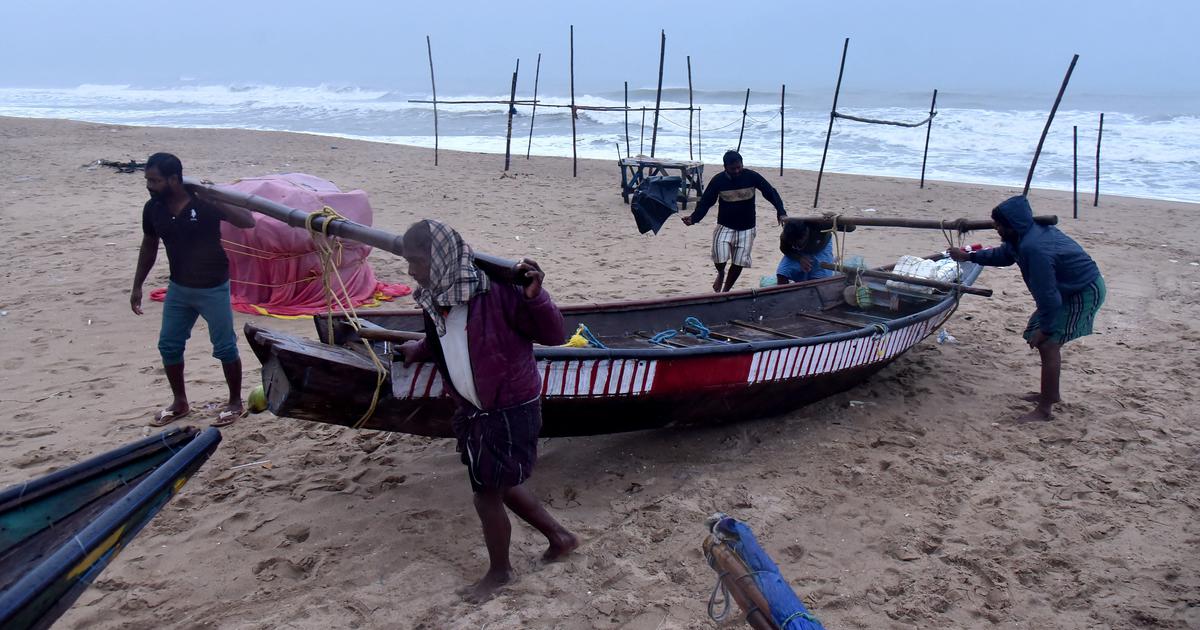

Andhra Pradesh is bracing for yet another cyclone, Akvan, even as it deals with the damage left by Arnab and Murasu at the end of October.
Before Cyclone Arnab made landfall on India’s east coast, the authorities had evacuated more than 1.8 lakh people in Andhra Pradesh and Odisha. It’s clear that India has learnt to move people out of harm’s way.
But now, it should focus on releasing money efficiently for them to protect what they leave behind. Within days of Arnab and Murasu striking, Andhra Pradesh sought more than Rs 4,500 crore in immediate central assistance.
Extreme cyclone events have increased by three times in Odisha and doubled in Andhra Pradesh over the last five decades due to climate change, an analysis by the Council on Energy, Environment and Waters shows. At the same time, India has made remarkable progress in forecasting cyclones and evacuating exposed communities.
In Odisha, cyclone deaths fell from nearly 10,000 in the 1999 super cyclone to fewer than 100 in Phailin in 2013 and Fani in 2019. A million people were moved to safety each time. The 2023 study by the Council on Energy, Environment and Waters found that cyclone warnings now cover 100% of the populations exposed to cyclones.
But an early warning is only the first step: districts must have the resources to...