Beyond the Final Frontier: Black Women Who Changed Science Fiction and Fantasy Television
Science fiction can imagine travel across galaxies, and fantasy can give us dragons, immortality, and entire kingdoms built on magic. Yet television has sometimes struggled with a much simpler idea: Black women belonging at the center of those worlds. Fortunately, Black women have been doing the work anyway. They have commanded starships, investigated supernatural mysteries,… The post Beyond the Final Frontier: Black Women Who Changed Science Fiction and Fantasy Television appeared first on Black Girl Nerds.
 Black News
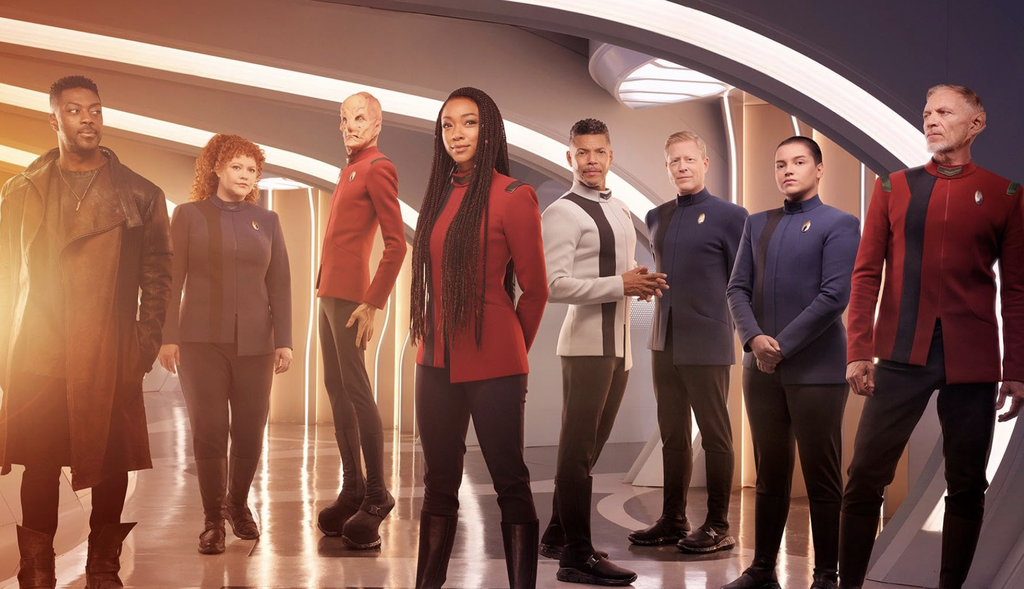
Science fiction can imagine travel across galaxies, and fantasy can give us dragons, immortality, and entire kingdoms built on magic. Yet television has sometimes struggled with a much simpler idea: Black women belonging at the center of those worlds.
Fortunately, Black women have been doing the work anyway. They have commanded starships, investigated supernatural mysteries, brought comic-book characters to life, and shaped the stories behind the camera. Their contributions have expanded what genre television looks like and whose experiences it takes seriously.
This history includes landmark casting, but it also includes the texture of a performance, the choices made in a writers’ room, and the cultural perspective that changes an entire production. These performers and storytellers helped make the future, and the fantastical, more expansive.
Nichelle Nichols Made the Future Feel Possible
When Star Trek premiered in 1966, Nichelle Nichols’ Lieutenant Uhura occupied a place of professional authority aboard the Enterprise. She was a communications officer whose expertise belonged on the bridge.
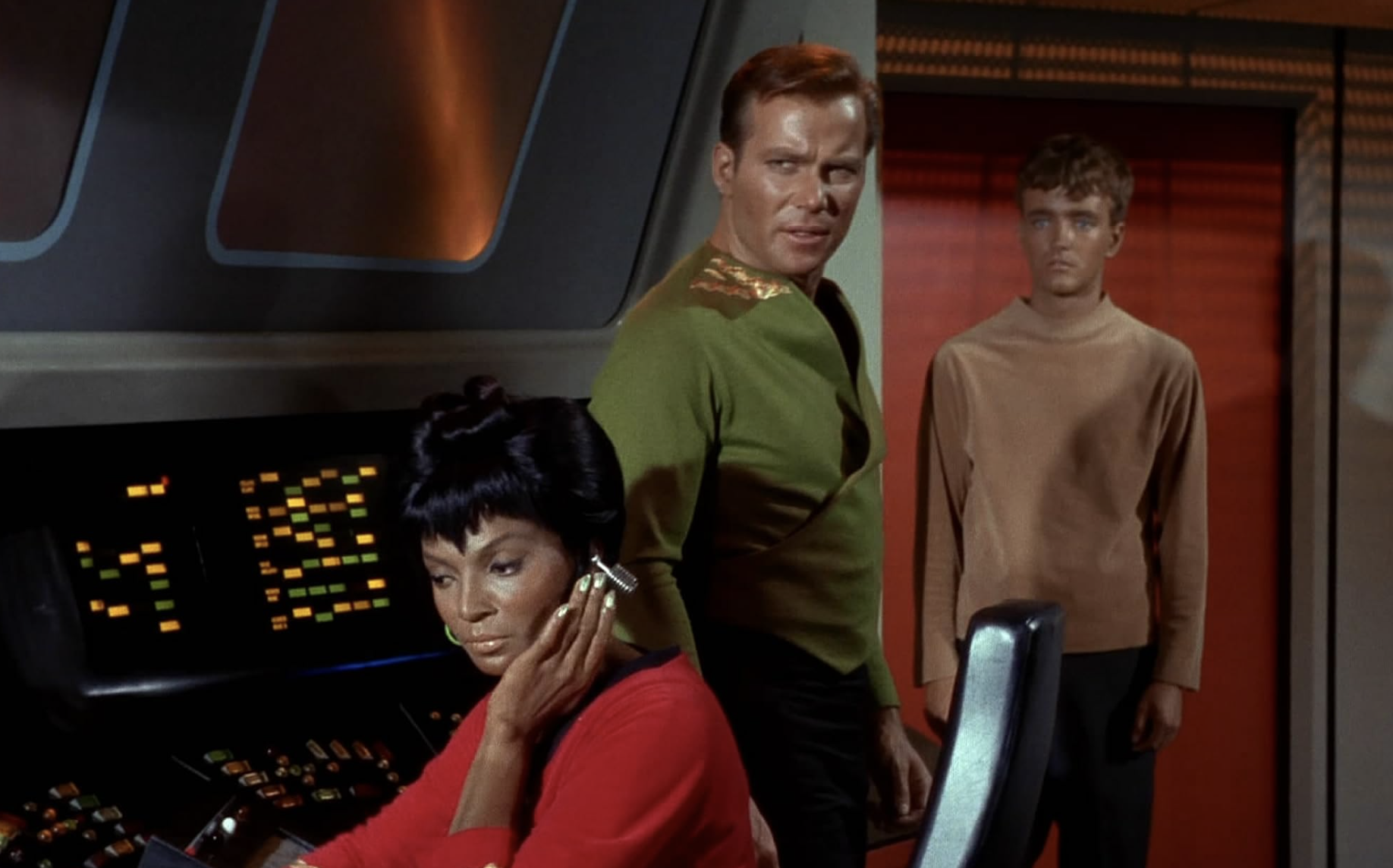
That image mattered in a television landscape with limited opportunities for Black women. Uhura offered a vision of the future in which a Black woman participated in exploration, science, and collective decision-making.
Eartha Kitt Gave Catwoman an Unmistakable Presence
Eartha Kitt’s Catwoman on the 1960s Batman series brought wit, theatricality, and a purr that remains its own cultural reference point. She made the character feel entirely hers. Within television’s heightened comic-book world, Kitt embodied a woman who was glamorous, calculating, funny, and thoroughly uninterested in being agreeable. A Black performer could occupy the role of an iconic villain with charisma and authority.
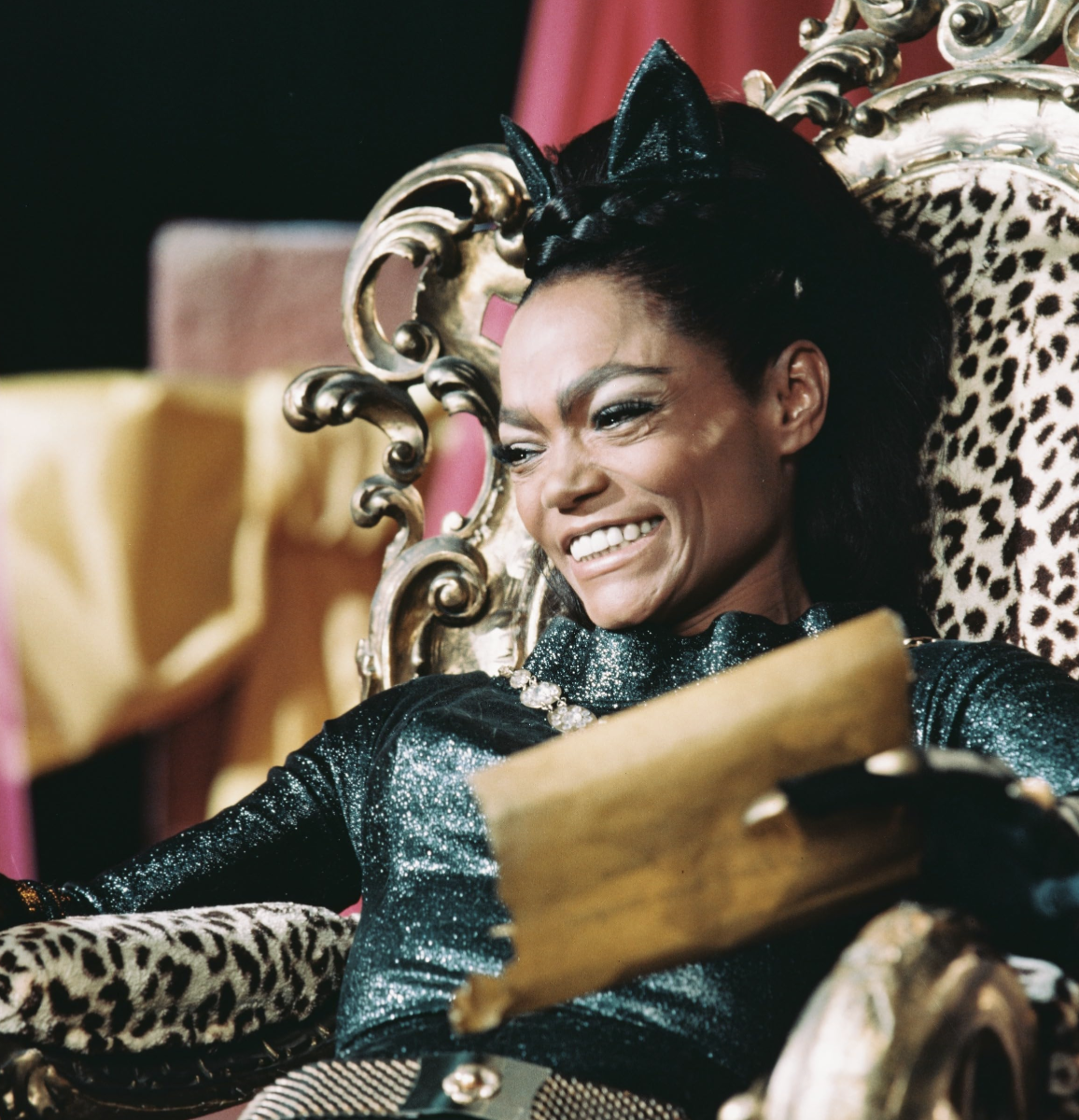
Her contribution belongs in this history because speculative television includes its outrageous pleasures, too. Black women deserve the spaceship and the secret lair. Sometimes we want to save the world; sometimes the catsuit and an elaborate scheme are the assignment.
Whoopi Goldberg Expanded What Authority Could Look Like
As Guinan on Star Trek: The Next Generation, Whoopi Goldberg played an El-Aurian bartender whose insight made her an important confidante aboard the Enterprise. Her position outside the formal chain of command did not prevent her from influencing the people within it. Goldberg gave Guinan humor, composure, and a sense of experience that stretched beyond what the crew could fully understand. She could question assumptions without raising her voice or displaying a rank insignia.
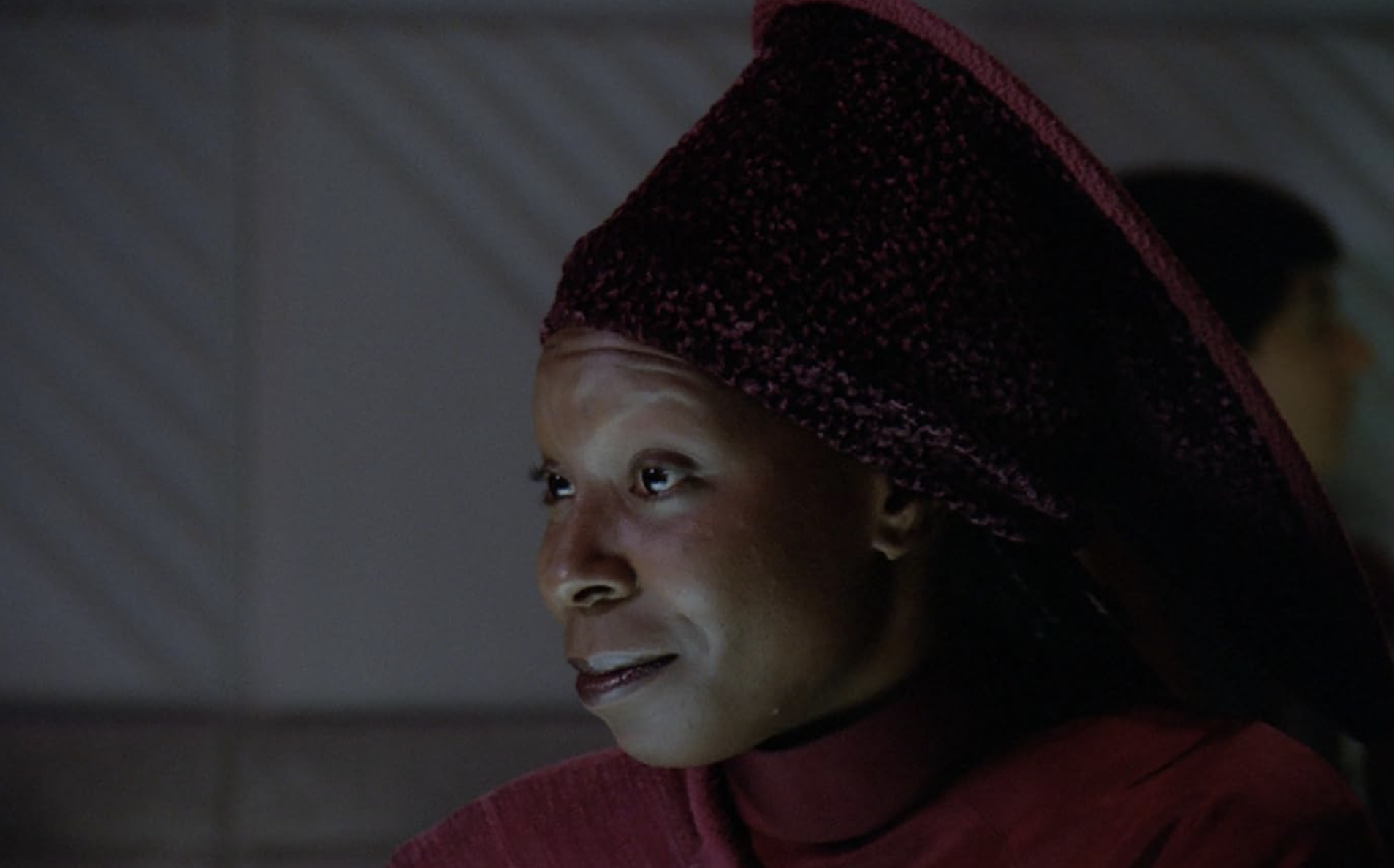
Guinan also invites a more complicated reading. Black women are often cast as sources of wisdom for other people. Goldberg’s performance gave the character enough personality, mystery, and conviction to make her more than a convenient dispenser of advice.
Cree Summer Helped Build Animated Genre Television
Live-action roles are only part of this story. Cree Summer’s voice work includes Penny in the original Inspector Gadget, Max Gibson in Batman Beyond, and Abigail “Numbuh 5” Lincoln in Codename: Kids Next Door. Those roles span technology-driven adventure and imaginative action. Max, in particular, gave a Black teenage girl a place in futuristic Gotham as an intelligent, resourceful ally.
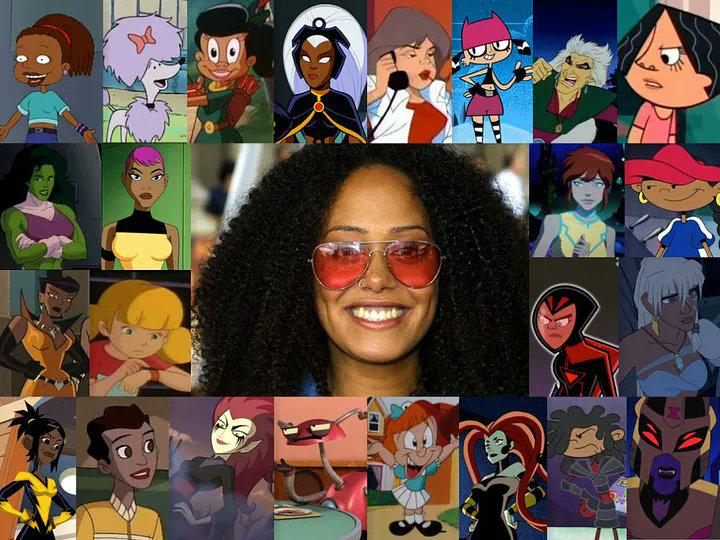
Summer’s career is a reminder that Black women can shape the sound of a genre across generations. Voice acting creates personality through timing, inflection, and emotion, and her work helped make animated worlds feel inhabited by memorable people.
Gina Torres Brought Commanding Depth to Space Adventure
Gina Torres’ Zoë Washburne in Firefly was a veteran soldier and Serenity’s second-in-command. Her steadiness, dry humor, and marriage to the ship’s pilot helped define her place within the ensemble. Torres made competence compelling. Zoë could assess danger, challenge a decision, and protect the people she loved without becoming a character whose only purpose was to appear invulnerable.
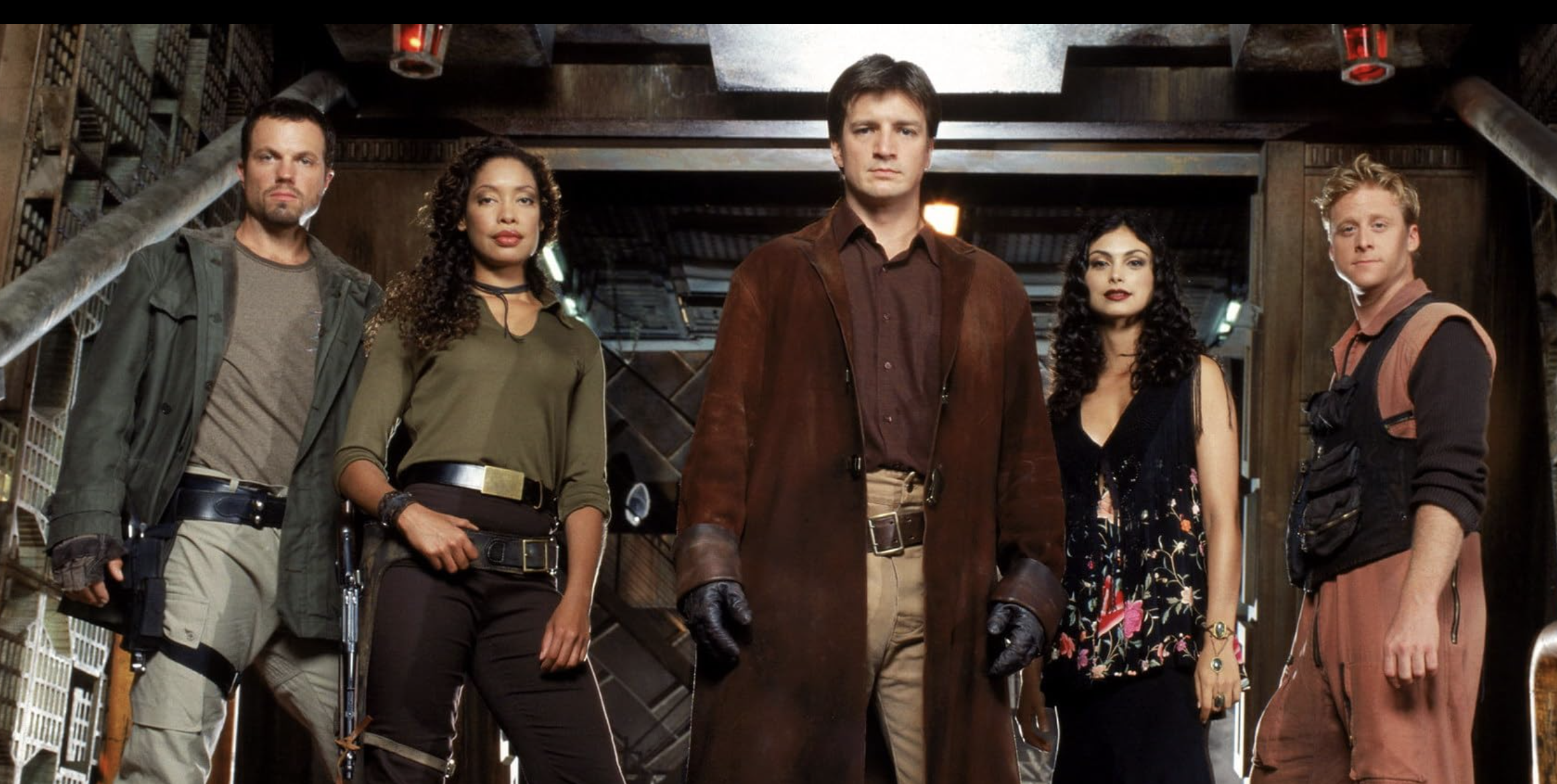
For an Afro-Latina performer, that role added an important presence to science-fiction television. Zoë had professional authority and a personal life, with neither treated as a contradiction. Watching her, you believed the crew might actually survive its next terrible plan.
Freema Agyeman and Pearl Mackie Brought New Perspectives to the TARDIS
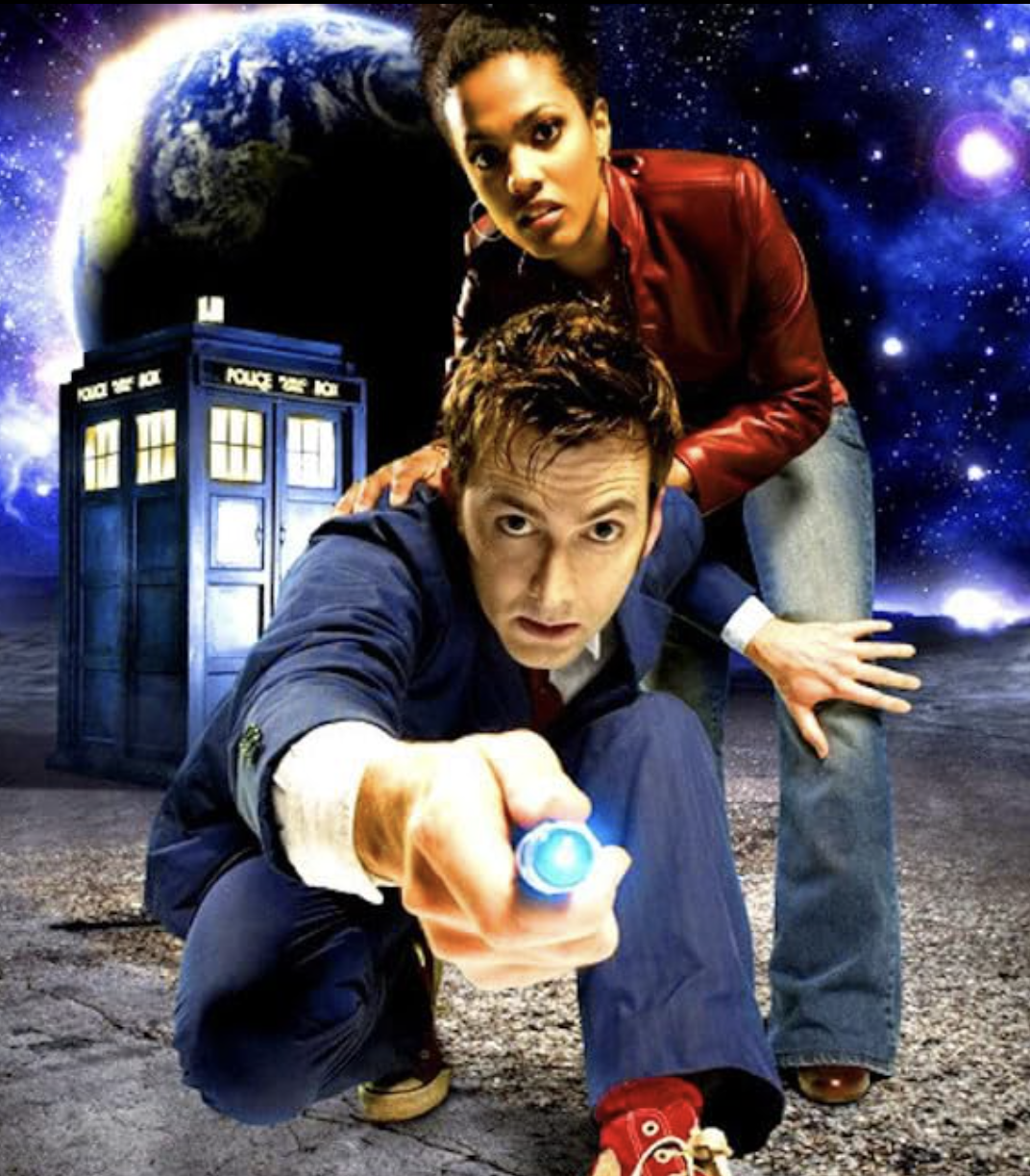
Freema Agyeman’s Martha Jones joined Doctor Who in 2007, bringing medical training and determination to her adventures with the Tenth Doctor. Pearl Mackie later played Bill Potts, whose curiosity and direct questions made her a distinctive companion to the Twelfth Doctor. Martha’s intelligence and eventual decision to establish a life beyond the Doctor gave her story an especially meaningful dimension. She could care about someone and still recognize what she needed for herself.
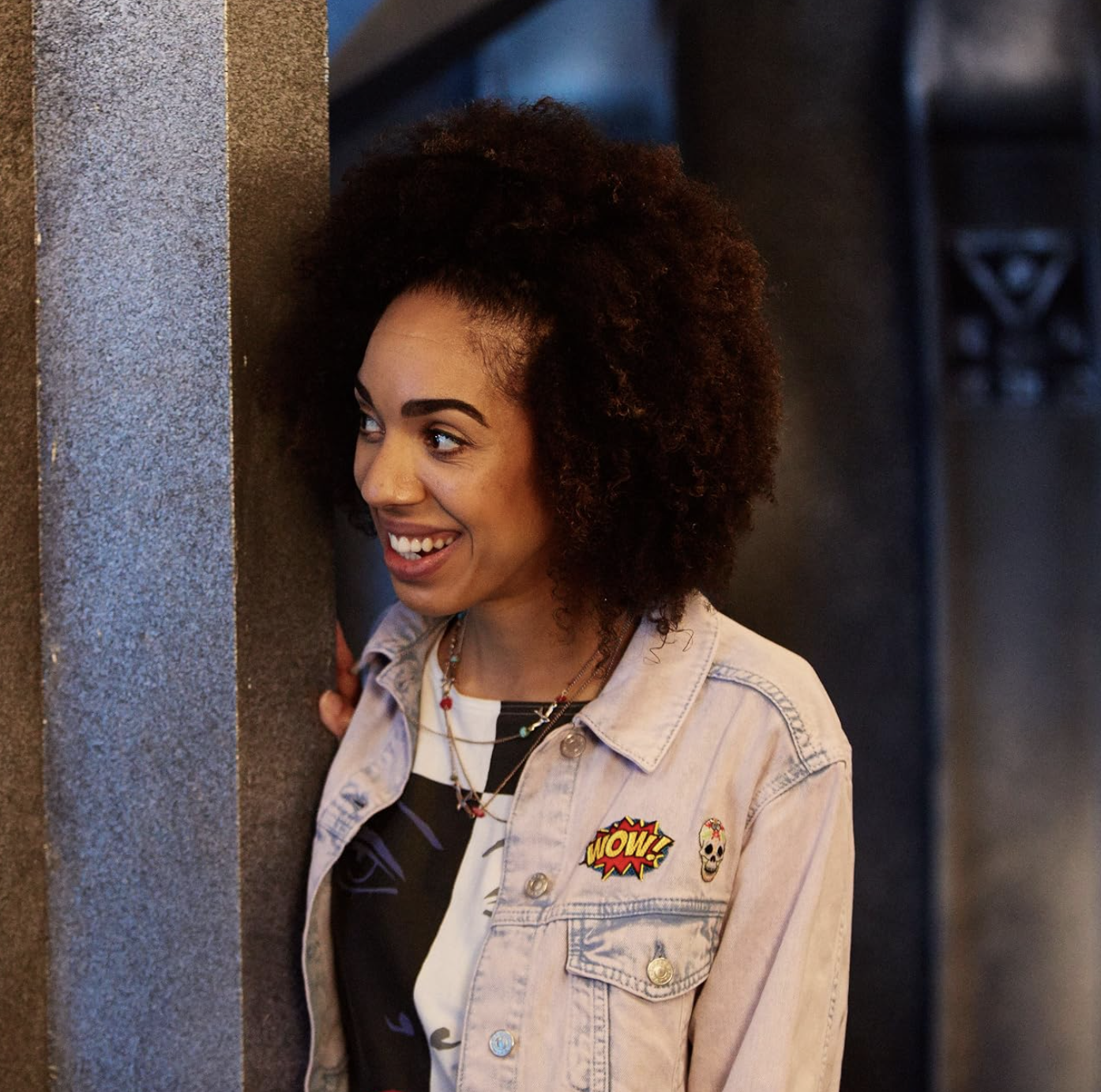
Bill added a Black lesbian’s perspective to the series, with humor and romantic interests alongside the cosmic danger. Together, these characters broadened the experiences traveling through the TARDIS. Their presence also showed how familiar adventures can feel different when the person asking the questions changes.
Nicole Beharie Made a Supernatural Mystery Worth Following
As Abbie Mills, Nicole Beharie co-led Sleepy Hollow during its first three seasons. The series placed a contemporary Black woman opposite a displaced Ichabod Crane as they confronted supernatural threats. Beharie grounded the premise through Abbie’s intelligence, skepticism, and emotional life. You could accept the show’s increasingly elaborate mythology because she gave its dangers a human point of connection.
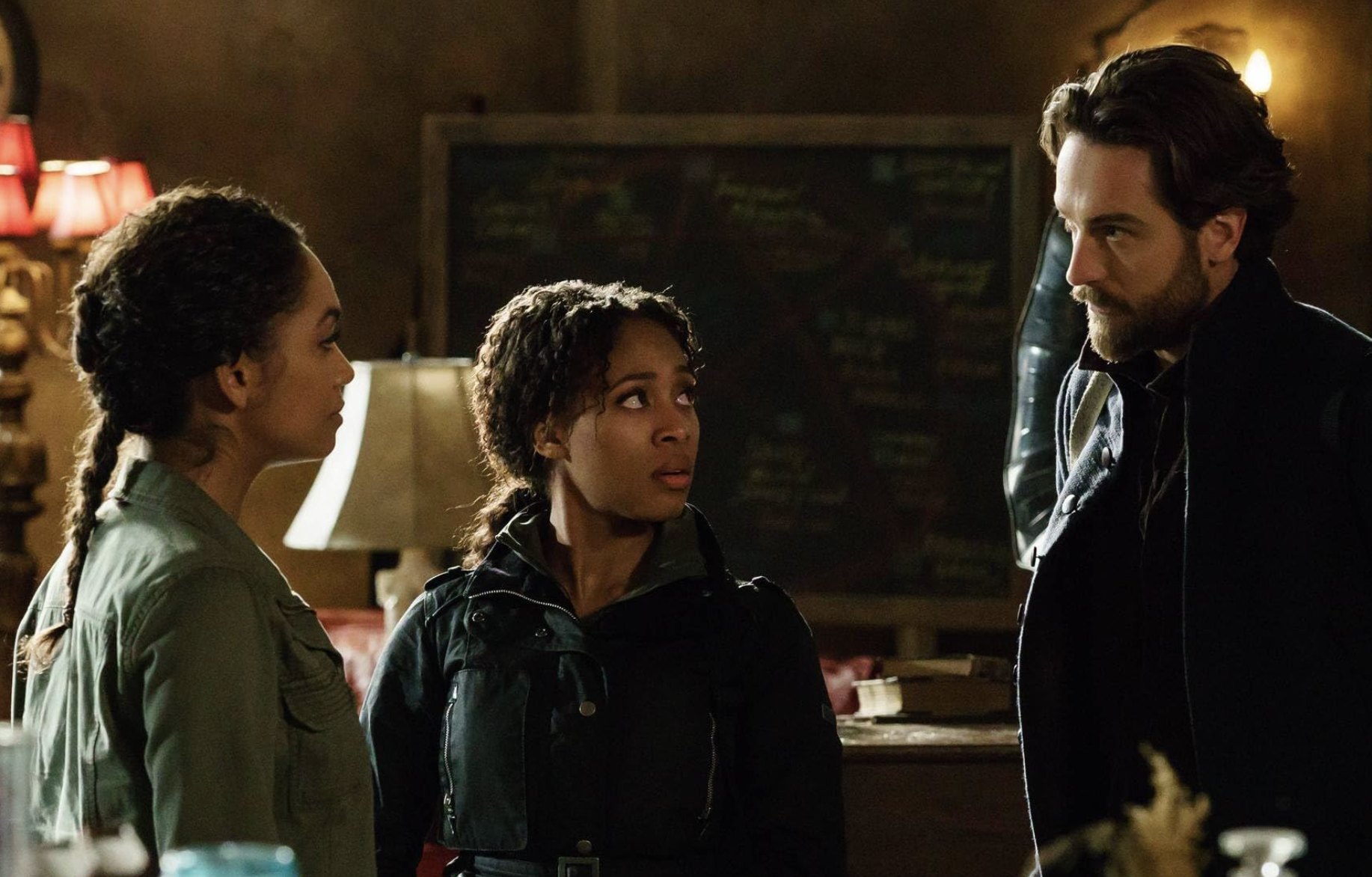
Abbie’s appeal also helps explain why the handling of Black female leads deserves scrutiny. A character can inspire a devoted audience while the larger production leaves viewers questioning her narrative treatment. Beharie’s work demonstrated how much a genre series could gain from taking a Black woman’s perspective seriously.
Sonequa Martin-Green Moved Into the Captain’s Chair
Sonequa Martin-Green became the first Black woman to lead a Star Trek series as Michael Burnham in Discovery. Burnham’s journey ultimately took her to command of the ship. That progression connects to Nichols’ legacy while establishing something distinct. Discovery follows Burnham’s choices, errors, relationships, and growth across a serialized story. She gets the space to become a leader rather than arriving as a flawless symbol of leadership.
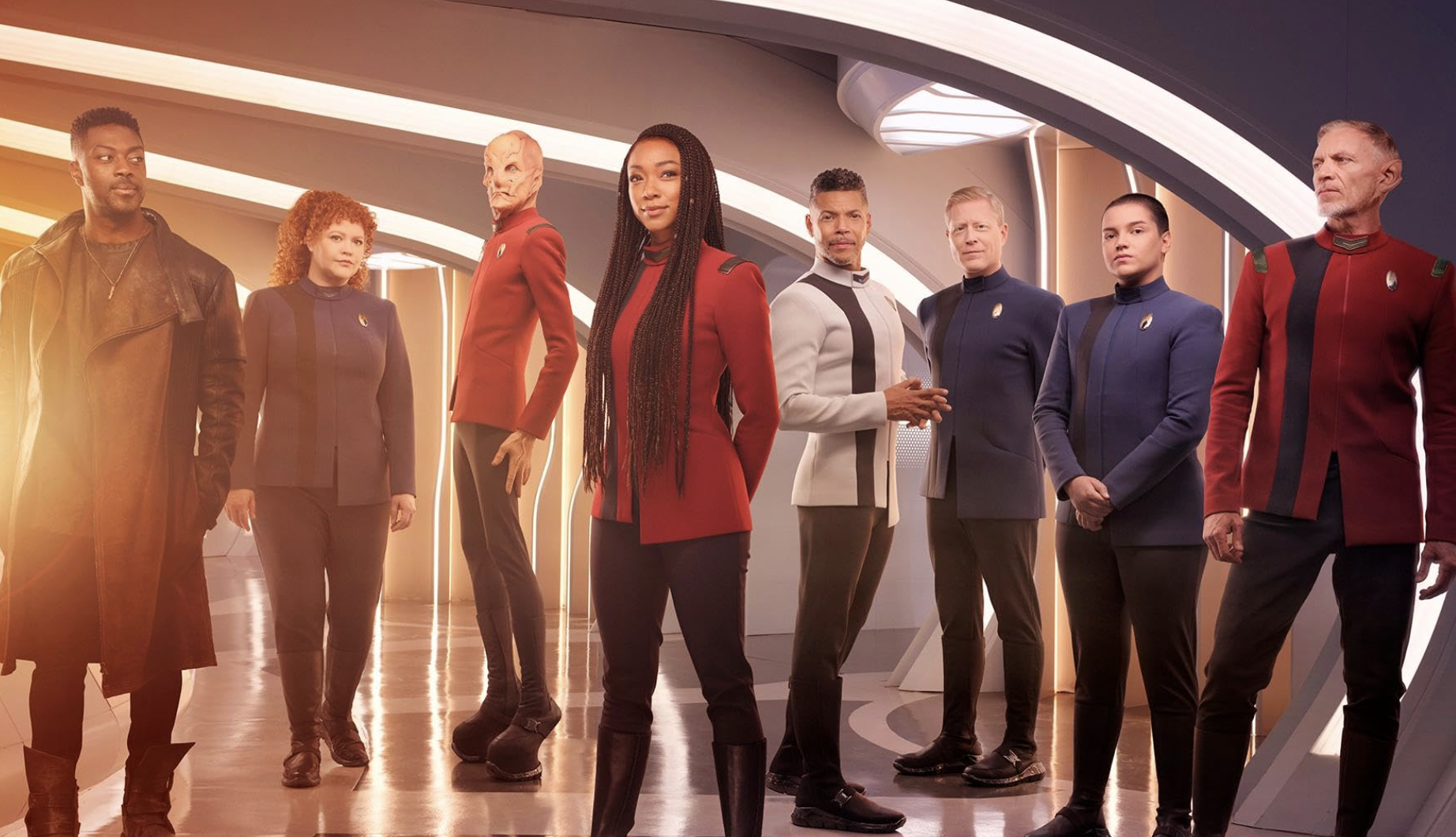
Martin-Green’s performance makes emotion part of that process. Burnham’s attachments complicate her decisions and help explain them. A Black woman can command a starship while remaining someone who grieves, loves, doubts, and changes.
Regina King Put Black History at the Center of Superhero Television
Regina King’s Angela Abar, also known as Sister Night, anchors HBO’s Watchmen. Her performance earned the 2020 Emmy for outstanding lead actress in a limited series or movie. The series connects superhero mythology with the Tulsa Race Massacre, inherited trauma, policing, and the stories a nation tells about itself. Angela’s perspective is essential to how those ideas unfold.
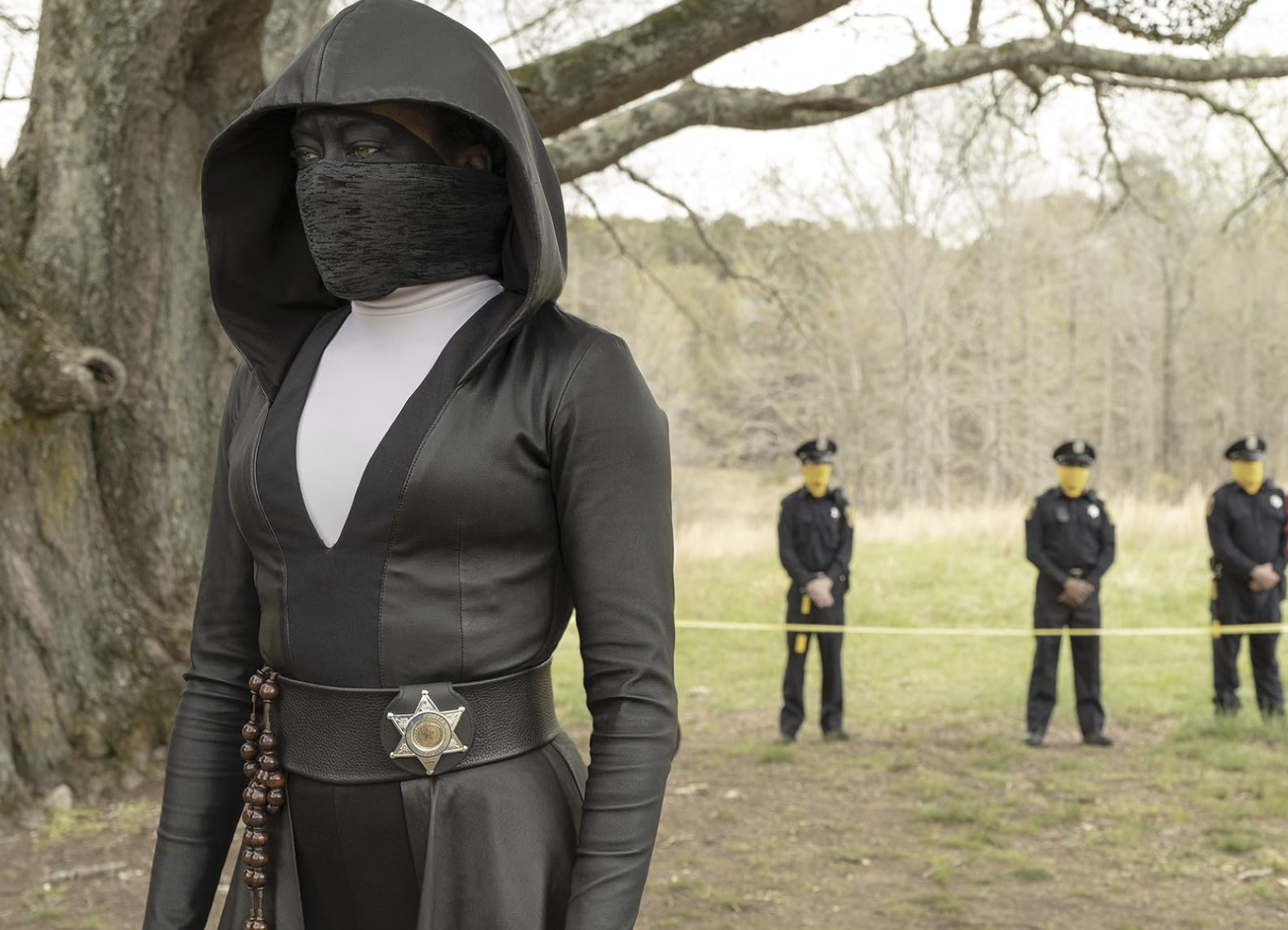
King gives her strength, guardedness, anger, and tenderness. The mask does not erase her humanity. Her performance helped make Watchmen a striking example of what happens when Black history becomes foundational to speculative storytelling rather than a subject briefly visited along the way.
Black Women Remade Familiar DC Television Roles
Candice Patton’s Iris West in The Flash and Anna Diop’s Starfire in Titans brought Black women into roles with established comic-book histories. Nafessa Williams played Anissa Pierce, the lesbian superhero Thunder, in Black Lightning. Javicia Leslie took on the Batwoman mantle as Ryan Wilder, a new Black lesbian character created for the television series. These contributions serve different purposes. Patton helped define a central relationship in a long-running superhero drama. Diop brought presence and emotional range to an alien heroine. Williams and Leslie made Black queer women visible as heroes with their own relationships and community ties.
Together, their work widened the possibilities for television adaptations. Familiar mythology can accommodate new perspectives, and new characters can claim a place within an established universe.
Misha Green Reclaimed the Genre Playground
As showrunner, writer, executive producer, and a director on Lovecraft Country, Misha Green helped shape a series that moved among horror, science fiction, fantasy, and historical drama. Her adaptation of Matt Ruff’s novel placed Black characters inside adventures that repeatedly confronted American racism. Jurnee Smollett’s Letitia Lewis brought determination and emotional complexity to the story, while Aunjanue Ellis-Taylor’s Hippolyta Freeman gave it a particularly memorable exploration of possibility and self-definition.
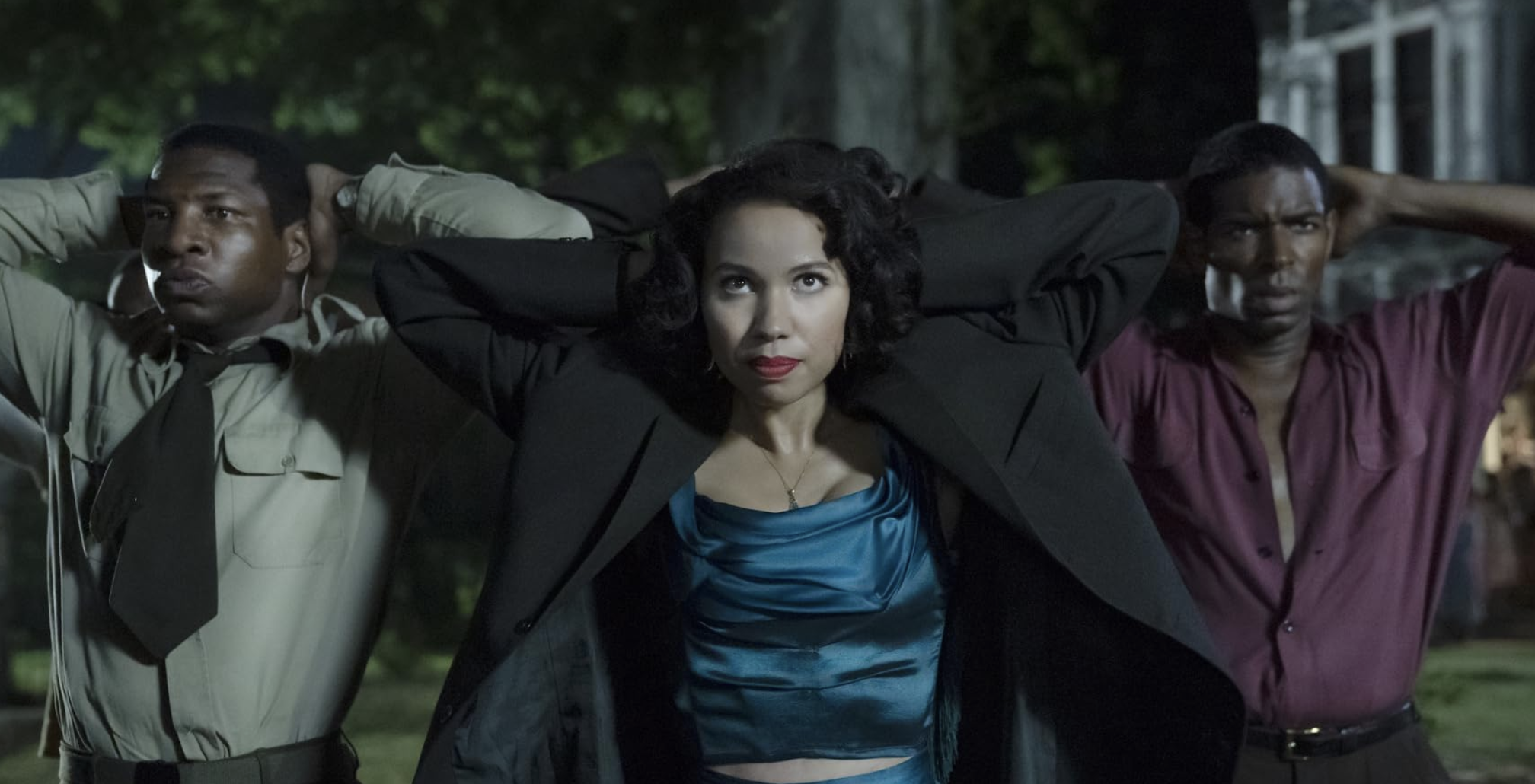
Green’s approach made room for haunted houses, strange technology, and extraordinary journeys within the same production. Black characters could experience the imaginative range of genre storytelling while their identities and histories remained central to the experience.
Monica Owusu-Breen Helped Shape the Worlds Behind the Camera
Monica Owusu-Breen’s writing and producing career includes Lost, Fringe, and Agents of S.H.I.E.L.D., as well as developing and running the first season of Midnight, Texas, adapted from Charlaine Harris’ books. Her contribution illustrates the less visible work involved in genre television. Writers and producers determine how a world operates, which characters receive attention, and what emotional logic holds a fantastical premise together.
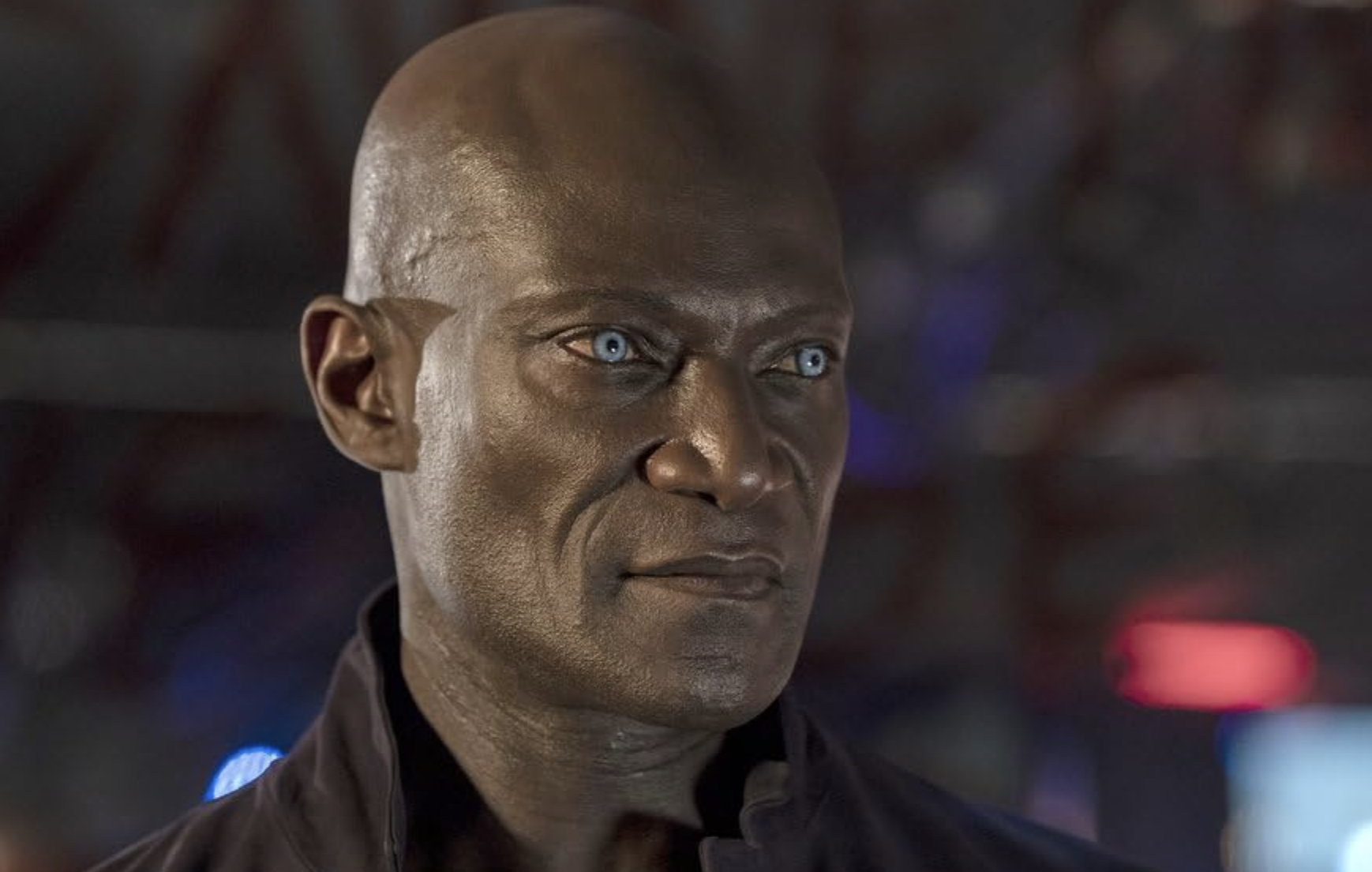
In Midnight, Texas, a community of supernatural outsiders supplied the foundation for a story about belonging. Owusu-Breen’s work belongs beside the performances celebrated here because the choices made behind the camera shape everything audiences eventually see.
Felicia D. Henderson Made Room for a Black Queer Fantasy Romance
Felicia D. Henderson served as showrunner, writer, and executive producer of First Kill, based on V. E. Schwab’s short story. Imani Lewis played Calliope Burns, a teenage monster hunter who falls for vampire Juliette Fairmont. The premise gave a Black queer girl the heightened emotional stakes of supernatural romance: attraction, family expectations, danger, and the possibility that the person you love is exactly who you have been taught to fear.
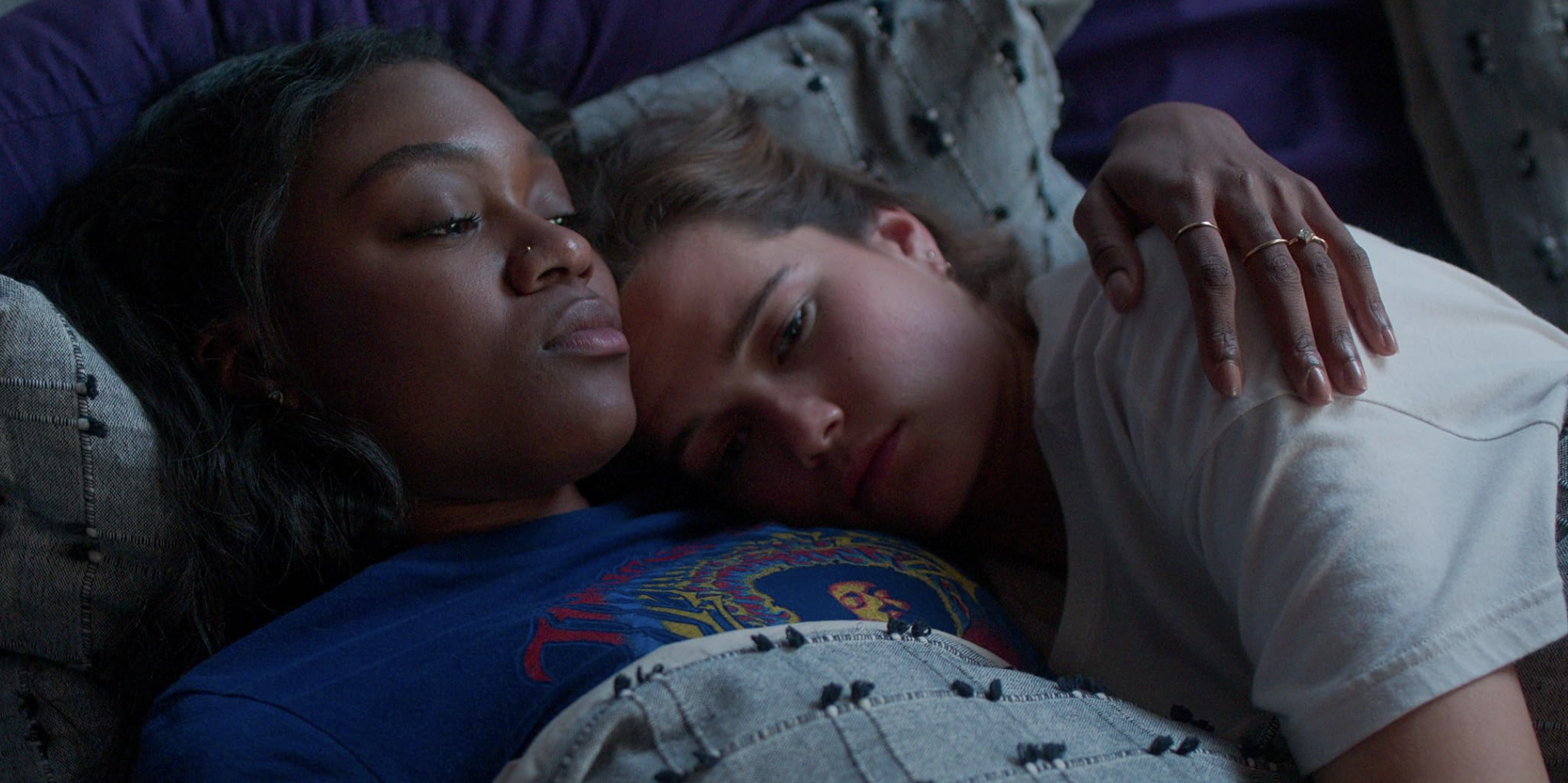
That matters in a genre where romantic longing can be as consequential as saving the world. Calliope’s desires helped drive the story, giving her a place within its central fantasy.
Chinaka Hodge and Dominique Thorne Brought Ironheart Home
With Ironheart, head writer Chinaka Hodge and star Dominique Thorne brought Riri Williams’ story to television. The series follows the young inventor in Chicago and places her technology in conflict with magic. Episodes were directed by Sam Bailey and Angela Barnes. Riri’s intelligence drives the action, but her ambitions unfold within relationships, grief, and questions about access to resources. A brilliant idea and the means to realize it are not automatically the same thing.
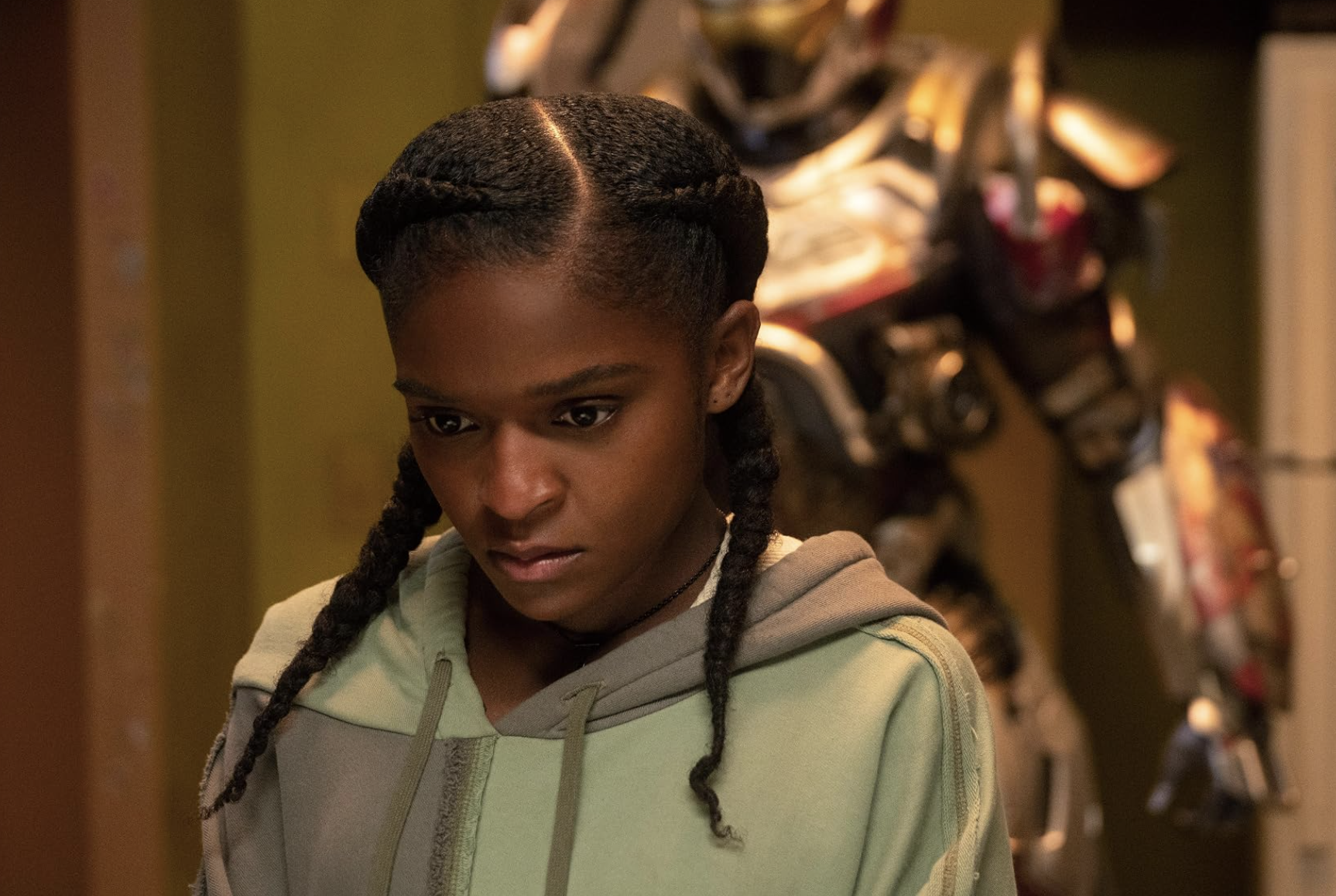
The production brings Black women’s creative contributions together across writing, directing, and performance. Its Chicago setting also gives Riri a community that helps define her choices, making the world around the armor part of the story.
Octavia E. Butler’s Vision Reached Television Through Kindred
Octavia E. Butler was a literary visionary whose influence on speculative storytelling reached television through FX’s adaptation of Kindred. Developed for television by Branden Jacobs-Jenkins, the series starred Mallori Johnson as Dana. Janicza Bravo directed and executive produced the pilot. Butler’s novel uses time travel to confront slavery, ancestry, survival, and power through a Black woman’s experience. Its imaginative premise requires readers, and later viewers, to reckon with history rather than escape it.
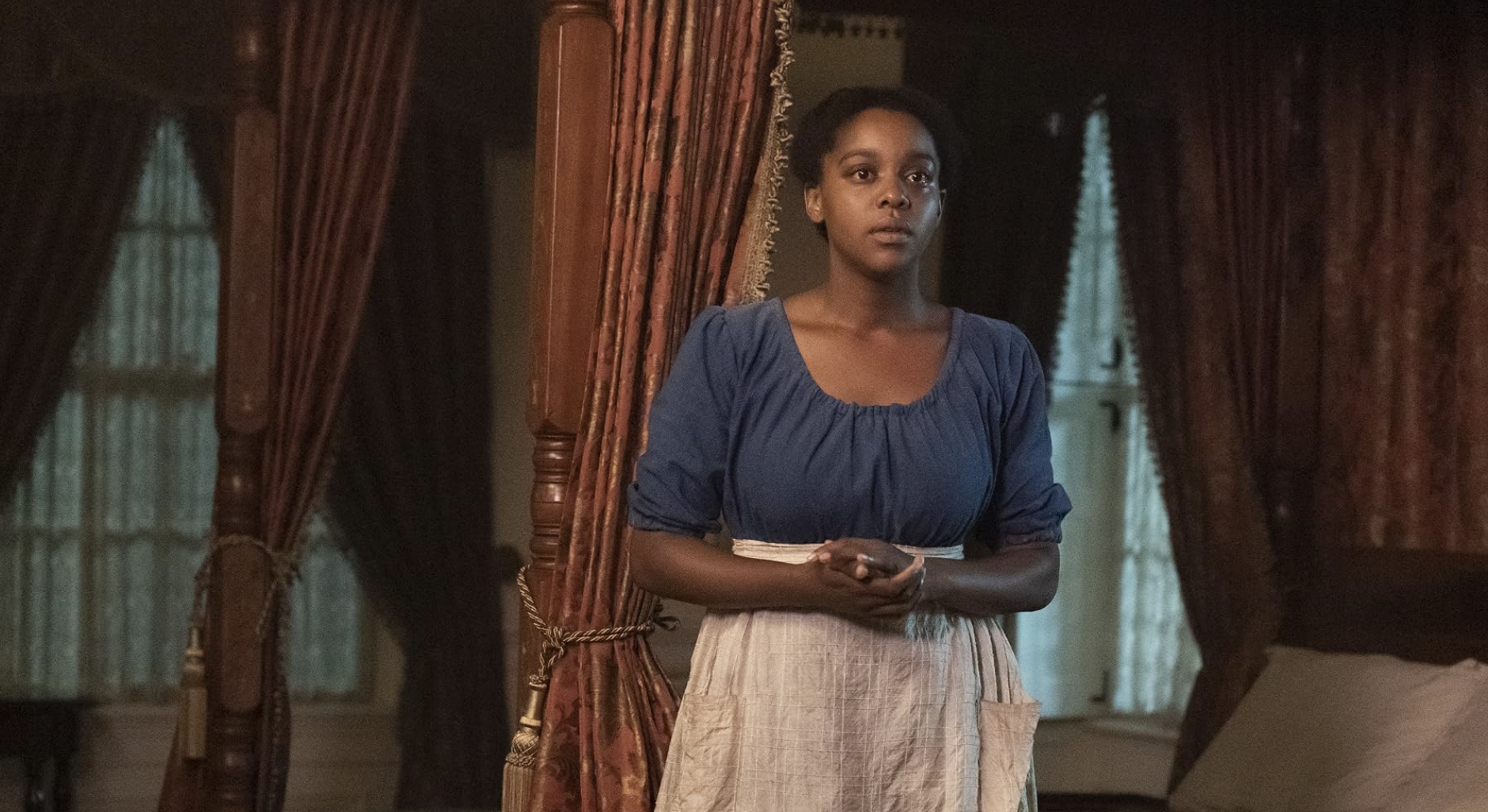
Johnson and Bravo helped translate that perspective to the screen. Butler’s inclusion here recognizes the source of the vision, while distinguishing her authorship from the work of the television adaptation’s creative team.
A Legacy With More Worlds to Explore
These women changed genre television through different kinds of work. Some made a familiar role their own. Others led a series, developed its stories, or created the literary foundation it adapted. Their contributions have given Black women more room to be authoritative, vulnerable, romantic, funny, and complicated inside extraordinary worlds.
The next step is sustaining that range with meaningful opportunities in front of and behind the camera. Give Black women the time to develop characters, the resources to build worlds, and the freedom to imagine stories that surprise us. We have already helped chart the final frontier. There are still plenty of galaxies, magical realms, and questionable time portals left to explore.
The post Beyond the Final Frontier: Black Women Who Changed Science Fiction and Fantasy Television appeared first on Black Girl Nerds.




.jpg?cb=b27964d55c3f1fa558e993b45ff800c7#)