Opinion – What the Tsau //Khaeb national park taught me about developing responsibly
Some of the rarest plants on Earth look exactly like stones. I nearly walked past them. It was my first experience of desert fieldwork, in the rugged mountains of Tsau //Khaeb National Park on Namibia’s south-western coast. I had the opportunity to contribute to our understanding of the park’s biodiversity and the risks it faces.... The post Opinion – What the Tsau //Khaeb national park taught me about developing responsibly appeared first on New Era.
 Black News


Some of the rarest plants on Earth look exactly like stones. I nearly walked past them.
It was my first experience of desert fieldwork, in the rugged mountains of Tsau //Khaeb National Park on Namibia’s south-western coast.
I had the opportunity to contribute to our understanding of the park’s biodiversity and the risks it faces. The park is home to the Succulent Karoo, the world’s richest ecosystem for succulents. Some were so tiny and camouflaged that they almost vanished into the landscape.
A landscape is not empty because it looks open
To someone passing through, this landscape may seem vast, bare, and unproductive. But open land is not unused land, and it is certainly not lifeless.
The park is a mosaic of small, distinctive habitats. A rocky outcrop, a mountain slope and a sand dune may lie side by side, yet each supports its own plants, reptiles and insects. Some species survive in tiny populations in extremely specific places. Destroy their habitat, and we may lose them forever; many desert succulents are too difficult to propagate for restoration to undo the damage.
Conservation is not opposition to development
Namibia needs economic growth, jobs and a more diverse economy. Renewable energy could create opportunities and equip young people with valuable skills. Conservationists are not automatically opposed; we oppose development that begins before we understand what lives on the land and what could be lost.
Sustainable development rests on three connected pillars: environmental, social and economic wellbeing. Ignore one, and the structure weakens. We must plan so development proceeds where, and how, it causes the least harm.
Survey first, decide second
My message to decision-makers is simple: understand what you are managing before deciding what to do with it.
Baseline studies must be thorough, correctly timed and designed around the ecology of the place. A brief survey in the wrong season can overlook species that are dormant or hard to identify. The information gathered beforehand should then become the benchmark against which change is measured.
Local and Indigenous knowledge must also be included from the start. People who have lived near a landscape for years are often the first to notice change, so their insight should be sought early.
Young people must be more than an audience
The land-use decisions made today will shape the opportunities and problems inherited by my generation.
Young Namibians need more than invitations to meetings. Meaningful participation means hands-on experience: identifying species, interpreting environmental data and joining long-term monitoring.
Institutions must open these pathways, but young people must also step forward. You do not need to study conservation to care about nature. Every sector depends on natural resources, so we should ask tough questions while projects are still being planned.
What we protect is part of what we inherit
Namibia should pursue development with confidence, but never blindly.
Strong environmental information protects nature, communities, and projects alike.
Places such as Tsau //Khaeb National Park matter for more than what we can extract or build. They shelter living systems found in few other places.
Once a rare species or habitat disappears, the loss may be irreversible.
Lands that appear empty can hold immense natural value. Managing it wisely means recognising that value before we build, so that today’s progress does not leave future Namibians with less tomorrow.
Economic growth in many developed countries has historically come at a significant cost to biodiversity. Yet development need not mean destruction: countries can grow their economies, improve livelihoods and protect natural resources.
Economic development and biodiversity conservation can work hand in hand when development is done sustainably and responsibly.
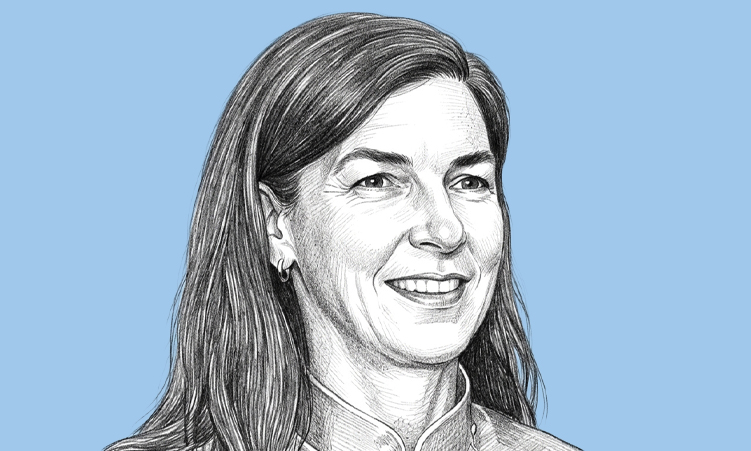
* Anna Ekandjo is a Natural Resource Management graduate with experience in biodiversity research and vegetation mapping. This article is not linked to any affiliated organisation or project. It aims to add to the conversation on development and conservation in Namibia.
The post Opinion – What the Tsau //Khaeb national park taught me about developing responsibly appeared first on New Era.