Building Resilience: Africa’s $5.1 Billion Push for Stronger Food and Energy Systems
Africa is strengthening its response to the external shocks putting pressure on food, energy and fertiliser markets, with the African Development Bank Group launching a framework capable of mobilising up.
 Black News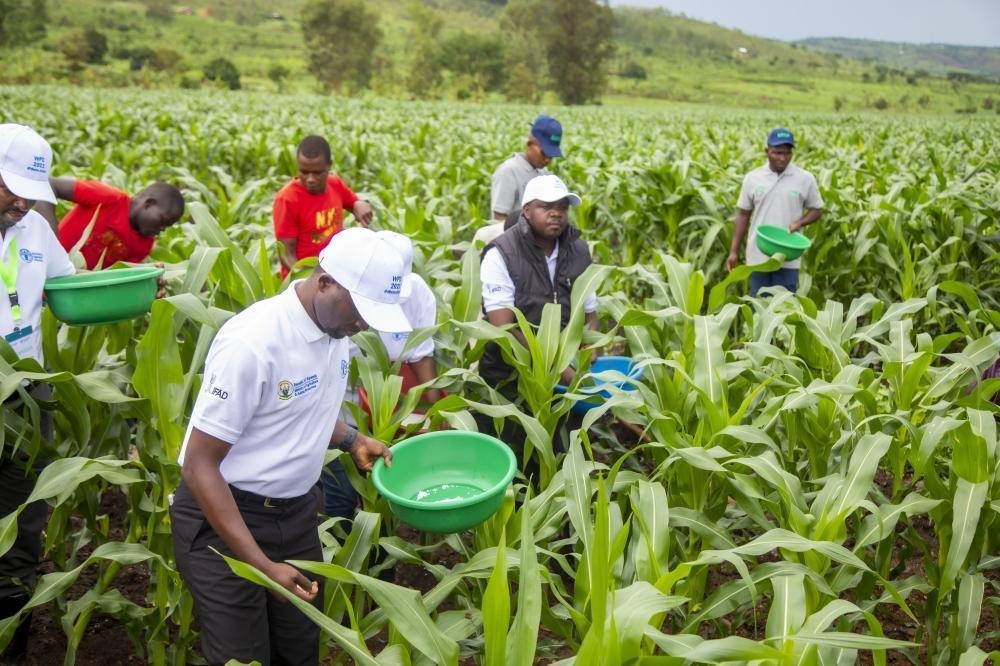
Africa is strengthening its response to the external shocks putting pressure on food, energy and fertiliser markets, with the African Development Bank Group launching a framework capable of mobilising up to $5.1 billion to support vulnerable economies.
The Global Energy and Fertiliser Crisis Response Framework is designed to help African countries manage immediate pressures while strengthening the foundations for greater economic resilience. The African Development Bank says the initiative will address energy and fertiliser shocks while supporting food security and protecting essential public spending.
READ ALSO: AfCFTA Growth: Strengthening Africa’s Food Systems
The significance of the initiative goes beyond the size of the financing.
Africa’s exposure to international commodity and supply-chain disruptions has repeatedly demonstrated the importance of building stronger domestic and regional production systems. Fertiliser prices affect agricultural productivity; energy costs influence businesses and households; and disruptions to global supply chains can quickly translate into higher costs across economies.
The new framework therefore presents an opportunity to shift from short-term crisis management towards longer-term resilience. The AfDB’s response includes additional lending and concessional resources, with the wider objective of helping countries maintain essential spending while continuing reforms that strengthen their economies.
For agriculture, the stakes are particularly high. Africa has enormous agricultural potential, yet many countries remain dependent on imported fertilisers and other agricultural inputs. Greater investment in regional fertiliser production, improved distribution networks and efficient agricultural markets could reduce exposure to global price volatility while strengthening food security.
Energy presents a similar opportunity.
Africa possesses substantial renewable-energy resources, including solar, wind and hydropower, alongside significant oil and gas reserves. Expanding reliable and affordable energy supplies can reduce the cost of doing business while supporting industrialisation and digital growth.
The response framework can therefore be viewed as part of a wider conversation about African economic sovereignty: how can the continent become less vulnerable to shocks originating beyond its borders?
The answer will require more than financing.
Governments will need to use available resources to crowd in private investment, strengthen regional markets and support businesses capable of producing essential goods locally. Regional integration will also be important. A more connected African market can allow countries to pool resources, develop supply chains and reduce dependence on distant suppliers.
The current moment offers an opportunity to turn disruption into reform.
Rather than simply cushioning economies against every external shock, Africa can use this period to strengthen the productive systems that determine its resilience.
The AfDB’s $5.1 billion framework provides important financial support. Its lasting value, however, will depend on how effectively African countries use that support to build stronger agricultural systems, more reliable energy markets and more diversified economies.
Africa’s resilience will ultimately be measured not by how successfully it responds to the next crisis, but by how much less vulnerable it is when that crisis arrives.
The goal is not simply to withstand global shocks. It is to build African economies strong enough to absorb them, adapt to them and continue moving forward.