Children make up 43% of Namibia’s population
Namibia has about 1.29 million children, according to the Namibia Statistics Agency (NSA). The NSA says this represents 42.7% of the country’s three million population. The NSA released the figures on Tuesday morning as part of the Day of the African Child. The NSA said children make up an estimated 690 million of Africa’s population, […] The post Children make up 43% of Namibia’s population appeared first on The Namibian.
 Black News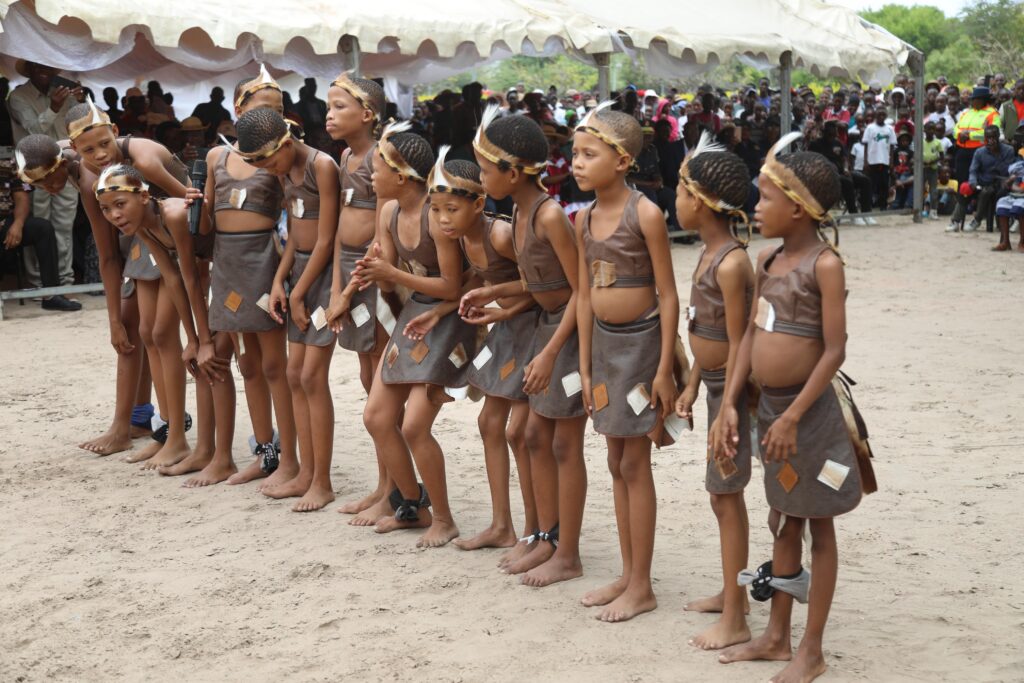
Namibia has about 1.29 million children, according to the Namibia Statistics Agency (NSA).
The NSA says this represents 42.7% of the country’s three million population.
The NSA released the figures on Tuesday morning as part of the Day of the African Child.
The NSA said children make up an estimated 690 million of Africa’s population, representing about 45% of its population.
This year’s Day of the African Child is being observed under the theme ‘Ensuring universal access to water, sanitation and hygiene for every child in Africa’.
President Netumbo Nandi-Ndaitwah has called on Namibians to protect and invest in children.
Nandi-Ndaitwah says children’s access to education, clean water, sanitation and safety remains essential for their future.
She hss raised concerns about child abuse, neglect, exploitation and violence. She says such practices continue to threaten the well-being of children across the continent.
“We must speak out against these injustices and work collectively to ensure that every child grows up in a safe, caring and supportive environment,” Nandi-Ndaitwah said on Tuesday
Nandi-Ndaitwah called on parents, educators, communities, faith-based organisations, the civil society and government to work together to ensure every child is protected and given an opportunity to reach their full potential.
On this day, United Nations Children’s Fund (Unicef) Children’s Climate Risk Report 2026 shows that more than 65 million children in eastern and southern Africa are exposed to multiple climate hazards that are disrupting access to water, healthcare, education and other essential services.
The report says nearly one in four children in the region are already exposed to three or more overlapping climate threats, including droughts, floods, wildfires and tropical storms.
Unicef regional director for eastern and southern Africa Etleva Kadilli says these climate shocks are increasingly affecting services that children rely on for survival, health and learning.
“When climate disasters strike, the impact multiplies. Water systems fail. Schools close. Clinics are damaged. This is how inequality deepens and children’s futures are put at risk,” says Kadilli.
The report says Somalia and Madagascar are among the countries with the highest exposure to multiple climate hazards globally, while children in South Sudan face some of the most severe climate shocks.
The report further says one in three people in eastern and southern Africa still lacked access to at least basic drinking water services in 2024, while two in three lacked basic sanitation and hygiene services.
The report warns that without urgent action to reduce greenhouse gas emissions, climate hazards will become more frequent and severe, placing greater pressure on public services and threatening children’s development and future opportunities.
Unicef called for more investment in climate-resilient health, education, water and sanitation systems, climate financing for vulnerable communities and stronger support for programmes that protect children from climate-related risks.
The Day of the African Child, observed every year on 16 June, commemorates the thousands of South African schoolchildren who marched in Soweto in 1976 against poor education and celebrates the rights, welfare and education of children across Africa.
The post Children make up 43% of Namibia’s population appeared first on The Namibian.