Dangote's $17 billion East Africa refinery is already running into land and environmental concerns in Kenya
Aliko Dangote's ambitious plan to build what could become East Africa's largest oil refinery is already encountering resistance, with environmental activists and sections of the host community in Kenya's coastal Lamu County raising concerns over the project's potential ecological and social impact.
 Black News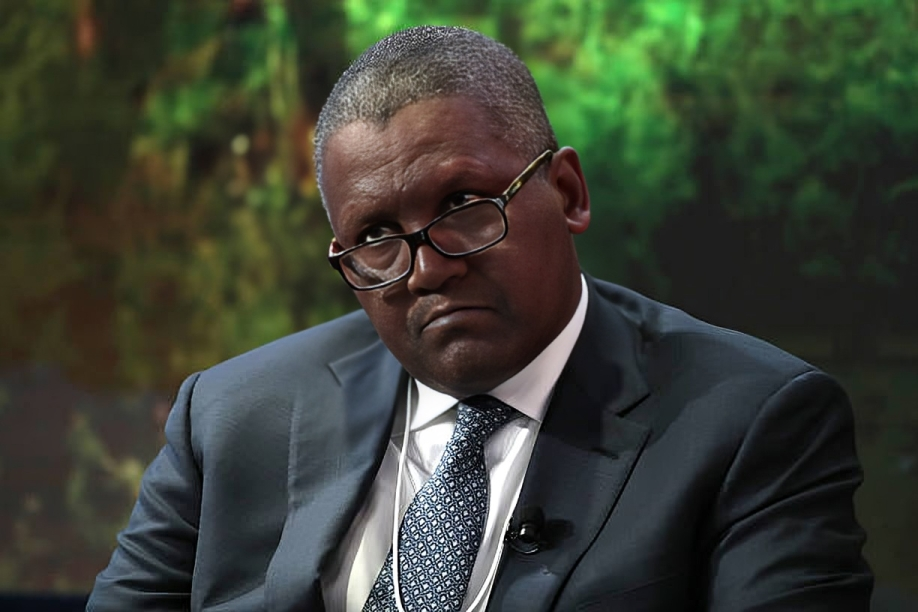

![Dangote's $17 billion East Africa refinery is already running into land and environmental concerns in Kenya [Photo by Jason Alden/Bloomberg via Getty Images]](https://ocdn.eu/pulscms/MDA_/ab245e1ba8c7f94d9fb473e73707321e.png)
Aliko Dangote's ambitious plan to build what could become East Africa's largest oil refinery is already encountering resistance, with environmental activists and sections of the host community in Kenya's coastal Lamu County raising concerns over the project's potential ecological and social impact.
- Aliko Dangote plans to build East Africa's largest oil refinery in Lamu County, Kenya, aiming to process 700,000 barrels of crude oil per day.
- The $15-17 billion project faces opposition from environmental groups and local communities over potential ecological and social impacts.
- Activists warn that the refinery could harm Lamu's mangrove forests, coral reefs, fisheries, and tourism, and increase pollution and greenhouse gas emissions.
- Local skepticism is fueled by previous large projects in Lamu, which brought limited employment and caused land disputes and environmental problems.
The proposed refinery, estimated to cost between $15 billion and $17 billion, is expected to process 700,000 barrels of crude oil per day, making it the largest refinery in East Africa.
The project would complement Dangote's Lagos refinery, which recently exceeded its original design capacity by processing 700,000 barrels per day during performance tests and is targeting an expansion to more than 1 million barrels per day, further cementing the billionaire's ambitions to reshape Africa's refining landscape.
Dangote Industries recently unveiled the project as part of its broader strategy to expand refining capacity beyond Nigeria, saying it would finance the development through a mix of internal cash flow, bonds, and a planned initial public offering (IPO).
DON'T MISS THIS: Kenya eyes 60,000 jobs as Ruto confirms deal with Dangote to build East Africa’s biggest refinery
According to Nation Africa, the project has drawn strong opposition from environmental groups, including Greenpeace Africa, which argues that the refinery could damage Lamu's fragile ecosystem while locking Kenya into long-term fossil fuel dependence.
Campaigners contend that promises of job creation should be weighed against potential risks to the county's fishing, tourism and local economies.
Environmental advocates have also warned that oil spills from tankers, pipelines, storage facilities or refinery operations - could severely impact Lamu's mangrove forests, coral reefs and marine habitats that support thousands of artisanal fishers.
Past experiences fuel fresh concerns
Despite the project's economic promise, opposition has emerged almost immediately.
Environmental campaigners have warned that the proposed refinery could threaten Lamu's fragile ecosystem, including its mangrove forests, coral reefs, fisheries and marine biodiversity.
![L-R: Africa's richest man and founder of Dangote Group, Aliko Dangote and President William Ruto of Kenya. [X, formerly Twitter/William Ruto]](https://ocdn.eu/pulscms/MDA_/1c29a8db725dca6a71195ea47b5ec58b.jpg)
They argue the development could increase pollution and greenhouse gas emissions while undermining livelihoods that depend on fishing and tourism.
DON'T MISS THIS: Dangote unveils funding plan for $17 billion Kenya refinery set to become Africa’s second largest
Some activist groups have called for a more comprehensive environmental impact assessment and broader public participation before the project advances, with some indicating they are prepared to challenge approvals in court if their concerns are not addressed.
The skepticism extends beyond environmental groups.
Many Lamu residents say they are approaching the proposal cautiously, citing previous experiences with large infrastructure developments in the county.
The Lamu Port-South Sudan-Ethiopia Transport (LAPSSET) Corridor and the expansion of Lamu Port were both presented as transformative projects expected to create jobs and unlock economic growth.
However, some members of the community argue that those developments brought limited local employment while exposing residents to land disputes, compensation challenges and environmental degradation.
That history has made some residents wary of another mega-project, despite its potential to boost Kenya's economy and position the country as a regional refining hub.
The emerging resistance highlights a broader challenge confronting large industrial investments across Africa. While financing and engineering remain critical, securing community support, meeting environmental standards and navigating regulatory approvals have become equally important to ensuring projects are delivered on schedule.
DON'T MISS THIS: Dangote unveils funding plan for $17 billion Kenya refinery set to become Africa’s second largest
For Dangote Industries, the Lamu refinery represents a strategic extension of a refining business that has already begun reshaping fuel markets in West Africa through its Lagos facility.
If completed, the Kenyan refinery could have a similar impact in East Africa by reducing reliance on imported petroleum products, improving regional fuel security and supporting industrial growth across neighboring countries.
Whether that vision is realized, however, may depend not only on the project's technical and financial execution but also on Dangote's ability to address environmental concerns and earn the trust of communities that remain cautious after years of unfulfilled development promises.