Doctor climbs Sapitwa for spine patients’ sake
From Monday to Friday, Dr Vincent Mkochi spends his days repairing damaged spines, helping people affected by road crashes and other accidents regain movement, ease pain and reclaim independence. But for 14 days in May, the spine physician took a break from the operating theatre to walk from Marka in Nsanje, the country’s lowest geographical … The post Doctor climbs Sapitwa for spine patients’ sake appeared first on Nation Online.
 Black News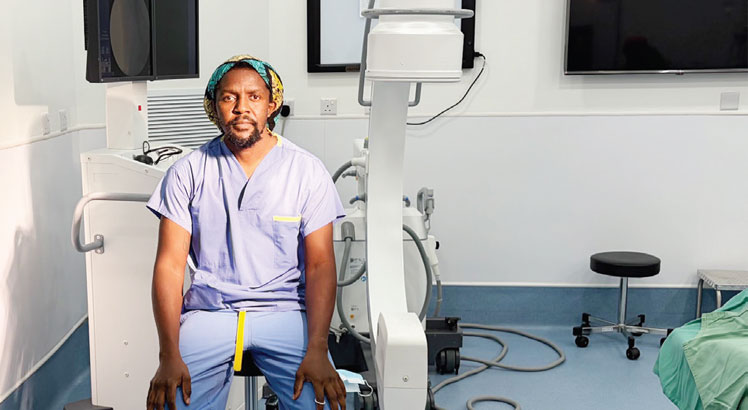
From Monday to Friday, Dr Vincent Mkochi spends his days repairing damaged spines, helping people affected by road crashes and other accidents regain movement, ease pain and reclaim independence.
But for 14 days in May, the spine physician took a break from the operating theatre to walk from Marka in Nsanje, the country’s lowest geographical point, to Sapitwa Peak on Mulanje Mountain, the highest point.
He completed the 307-kilometre walk in 60 hours—spread across 11 active days and two of resting—to raise funds and public awareness for the good of patients with spinal injuries.
“The hardest part of their recovery often begins after leaving hospital,” says the doctor. “Spinal damage can rob a person of movement, independence and basic daily functions.”
The spine supports the body and protects the communication pathway between the brain and the rest of the body better known as the spinal cord.
Mkochi, a specialist doctor based at Lilongwe Institute of Orthopaedics and Neurosurgery (Lion), says spinal injuries often leave survivors of road crashes, falls and other trauma cases patients requiring long-term support.
“We operate on about 30 major patients annually at Lion, while around 15 cannot undergo surgery because they come too late and the risks are too high,” he says.
Mkochi estimates that Malawi records about 180 major spinal injury cases requiring surgery annually, but the burden could be higher as some patients do no seek medical help.
He said a surgery does not mark the end of treatment, but “just about 10 percent of the journey”.
“The other 90 percent depends on rehabilitation, physiotherapy and own determination,” Mkochi states.
However, lack of dedicated mending facilities leaves many survivors with limited access to specialised services after discharge.
For many families, leaving hospital simply shifts the burden home. Survivors may need wheelchairs, spinal braces, urinary catheters, pressure-relieving mattresses, counselling and home adjustments, costs that few households can sustain.
Bylon Kondowe leads the Spinal Injuries Association of Malawi (Siam), which champions the rights, dignity and independence of people living with spinal cord complications.
He says recovery often stalls because support systems remain inadequate.
Siam works to improve survivors’ quality of life through peer support, advocacy, community-based rehabilitation, caregiver empowerment and livelihood initiatives while promoting disability-inclusive policies and services.
“Survival after surgery is only the beginning. Many people leave hospital without appropriate wheelchairs, rehabilitation plans, continence supplies or caregiver support. People who could regain productive, independent lives instead become trapped in dependency, poverty and isolation,” Kondowe says.
Such realities inspired Mkochi’s trek, which raised about $2 500 (About K4.4 million) via GoFundMe, a US-based donor and other well-wishers to buy spinal implants that could support about 10 patients with less complex fractures.
“For the 10 people, it means opportunities they probably would not have had. It is hope restored where hope had almost been lost,” he says.
Alex Phiri, 18, who sustained a spinal injury after falling from an oxcart and developed pressure sores after being bedridden for days, testifies to the benefits of post-surgery care.
“Every day I was lying in bed, I felt hopeless. Today, after surgery and proper care by Dr Mkochi and his team, I can stand and walk again. I feel like I have been given another chance to live,” Phiri says.
For Mkochi, such moments justify every kilometre walked.
He narrates: “We cannot reverse every spinal cord injury. Sometimes, our role is to stabilise the spine, prevent complications and help patients regain as much independence as possible. Seeing someone who arrived unable to walk leave on their feet reminds us why we keep going,” he says.
The post Doctor climbs Sapitwa for spine patients’ sake appeared first on Nation Online.