EFF says Madlanga commission should investigate the City of Cape Town
The EFF says the commission should look beyond the City of Ekurhuleni and the City of Tshwane
 Black News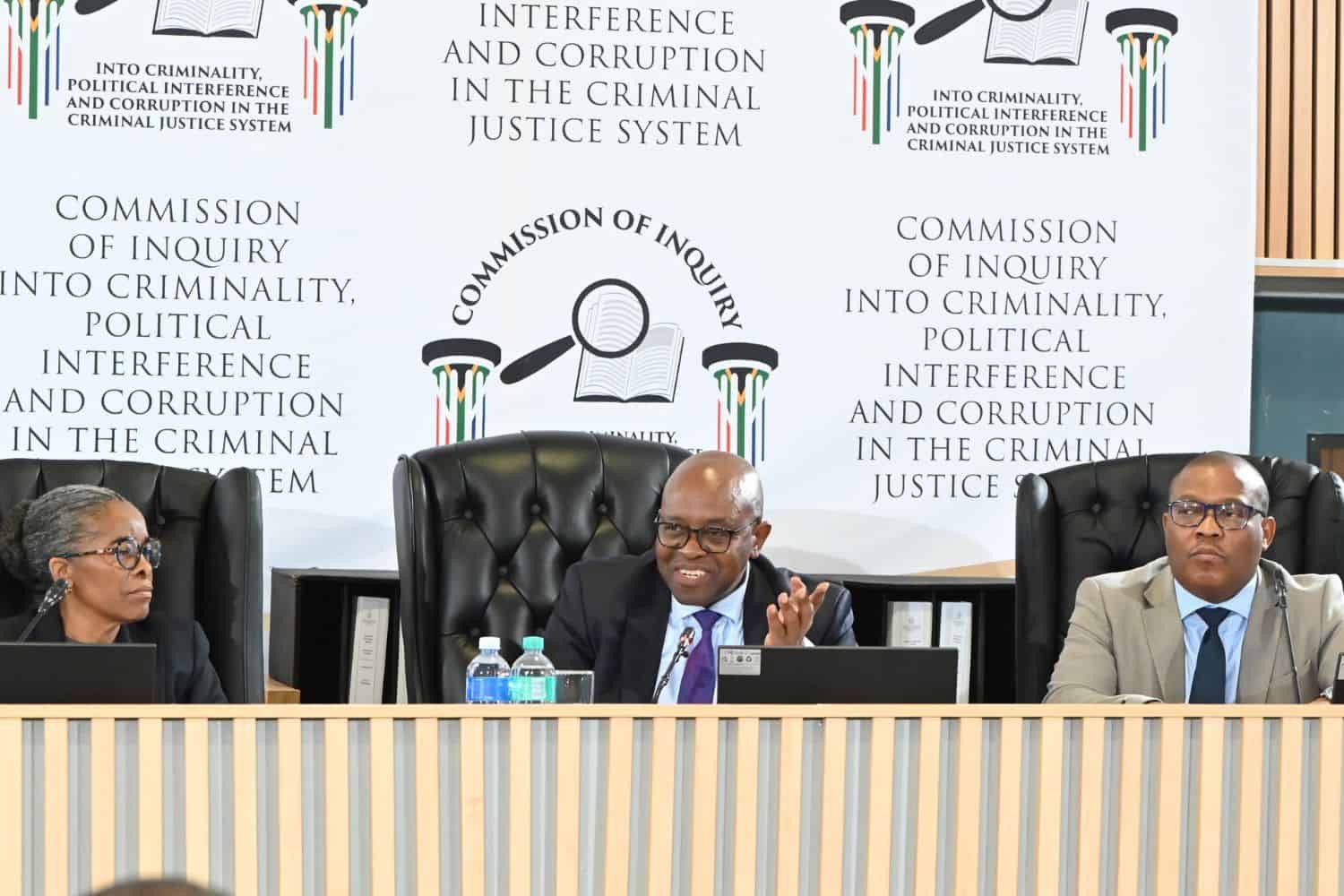
The EFF says the Madlanga Commission of Inquiry should not only look into allegations of corruption in the City of Ekurhuleni and the City of Tshwane, but must also look at other municipalities.
The Madlanga commission has uncovered organised corruption between police, politicians and municipal officials in both Ekurhuleni and Tshwane.
In a statement on Thursday, EFF elections spokesperson Thembi Msane said her party supports the work of the commission, but believes that its terms of reference still remain too narrow to confront the full extent of criminal infiltration across South Africa’s law enforcement institutions.
The party’s statement comes after several senior officials in the City of Ekurhuleni have been arrested for corruption. It also comes after President Cyril Ramaphosa announced his decision to extend the work of the Madlanga commission with an additional three months.
“It is therefore concerning that several institutions and jurisdictions where credible allegations of criminal capture already exist fall outside the effective scope of the commission’s work. The City of Cape Town, for example, has not featured meaningfully despite the arrest of former DA Mayoral Committee Member for Human Settlements, Malusi Booi, on allegations linked to a construction and extortion syndicate,” said Msane.
What about other municipalities?
Msane also believes that there has been little meaningful interrogation of the role of the eThekwini Metro Police or numerous other metropolitan police departments across the country, despite longstanding allegations of corruption, collusion with organised crime, political interference, and failures to combat extortion syndicates.
“The EFF therefore believes that while the commission must be afforded the time and resources necessary to complete its current mandate, its findings should not mark the end of South Africa’s reckoning with criminal infiltration of the state.
“Their work must produce broader investigations into all institutions where credible evidence of organised criminal influence exists, irrespective of which political party governs them. No municipality, police service, or intelligence structure should be beyond scrutiny.”
Madlanga reports
Msane also called on Ramaphosa to make the initial findings of the reports that have been produced by the commission public. Two of them have been handed to the president.
“The EFF therefore calls for the immediate publication of both the first and second interim reports, subject only to the limited redactions that may be strictly necessary to protect ongoing criminal investigations, witnesses, or legitimate national security concerns.
“The public deserves to understand the basis upon which repeated extensions are being granted, the progress already achieved by the commission, and the recommendations that have already informed criminal investigations and executive decisions,” said Msane.