Egypt raises gas prices for industries as energy crisis deepens and IMF reforms bite
Egypt has increased natural gas prices for major industries, signalling a deeper push to cut subsidies as rising import costs and declining domestic output strain the country’s energy balance.
 Black News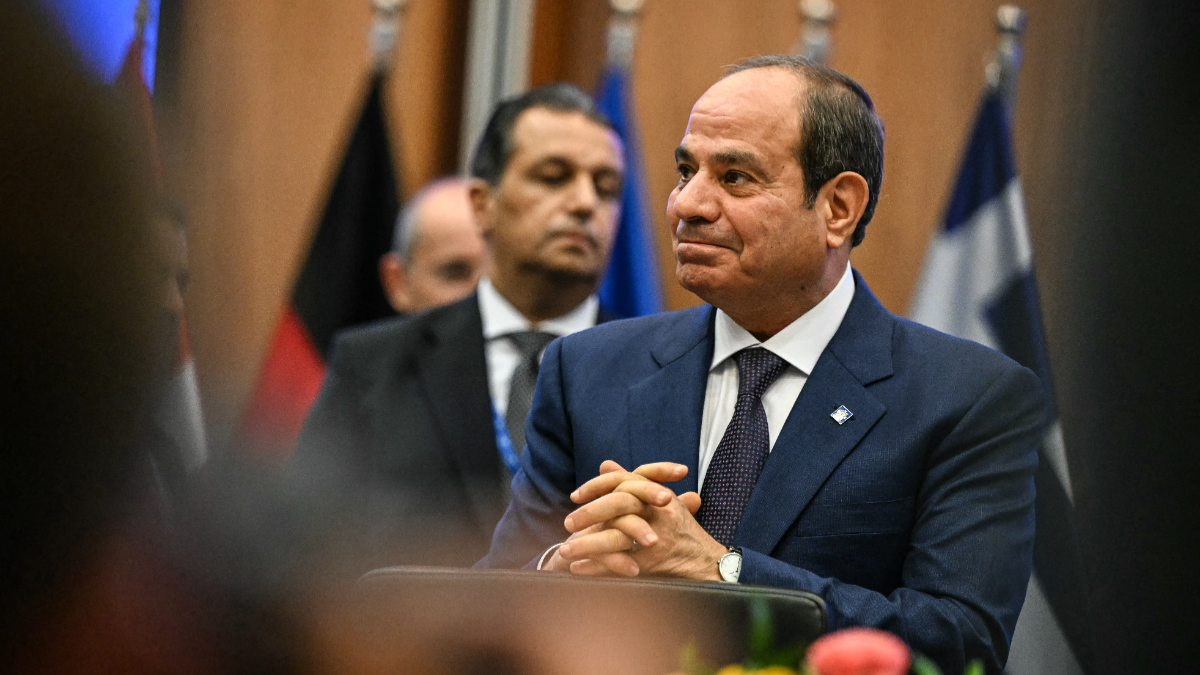
![Egypt's President Abdel Fattah al-Sisi. Declining gas output and rising imports are forcing Egypt to overhaul its energy pricing system. [Photo by NICOLAS TUCAT / AFP via Getty Images]](https://ocdn.eu/pulscms/MDA_/848f5e78e0d849f5f7924a6a2d8f20f5.jpg)
Egypt has increased natural gas prices for major industries, signalling a deeper push to cut subsidies as rising import costs and declining domestic output strain the country’s energy balance.
- Egypt has raised natural gas prices for major industries as part of IMF-backed reforms.
- The move comes as the country shifts from a gas exporter to an importer due to falling output.
- Rising import costs and currency weakness are putting pressure on public finances.
- Higher energy prices could push up costs in construction, agriculture and manufacturing.
A government decree published on Sunday showed the new prices took effect in May, targeting energy-intensive sectors such as cement, iron and steel, fertilisers and petrochemicals.
Gas prices rose by about $2 on average. Cement producers will now pay $14 per million British thermal units (mmBtu), while iron and steel makers, along with non-nitrogen fertiliser and petrochemical firms, will pay $7.75.
Other industrial users, including plants producing ethane and propane mixtures, will pay between $6.50 and $6.75.
The increase does not apply to households, where pricing is already governed by existing contractual formulas.
The move comes as Cairo accelerates reforms under an $8 billion programme with the International Monetary Fund, which requires the government to reduce costly energy subsidies and move towards market-based pricing.
Egypt’s energy pressures have intensified over the past two years. Once a net gas exporter, the country has increasingly relied on imports as output from key fields such as the Zohr gas field has declined. That shift has forced Cairo to turn to more expensive liquefied natural gas (LNG) cargoes and regional suppliers.
At the same time, geopolitical tensions in the Middle East have tightened supply and pushed up prices, contributing to a surge in Egypt’s import bill. The country’s overall energy costs have more than doubled in recent months, while monthly spending on gas imports has nearly tripled.
Currency weakness has compounded the problem. A series of devaluations since 2022 has made dollar-denominated energy imports significantly more expensive, increasing pressure on public finances and foreign reserves.
For the industry, the higher gas prices are likely to raise production costs across key sectors.
Cement and steel producers, critical to construction, could pass on higher costs, potentially slowing building activity.
Fertiliser producers, meanwhile, play a central role in food supply chains, meaning price increases could ripple into agricultural costs and food inflation across Egypt and beyond.
The government had already raised domestic fuel prices by up to 17% in March, underscoring a broader shift towards cost-reflective energy pricing.
While the reforms may weigh on businesses and consumers in the short term, investors see them as a necessary step toward restoring fiscal stability and rebuilding confidence in one of the Middle East and Africa’s largest economies.