EPA Repeals Power-Plant Climate Limits, Raising Environmental-Justice Concerns
The EPA has repealed federal greenhouse-gas limits for coal- and gas-fired power plants, prompting legal challenges and concern for communities already facing disproportionate pollution burdens. The post EPA Repeals Power-Plant Climate Limits, Raising Environmental-Justice Concerns appeared first on African American News and Issues.
 Black News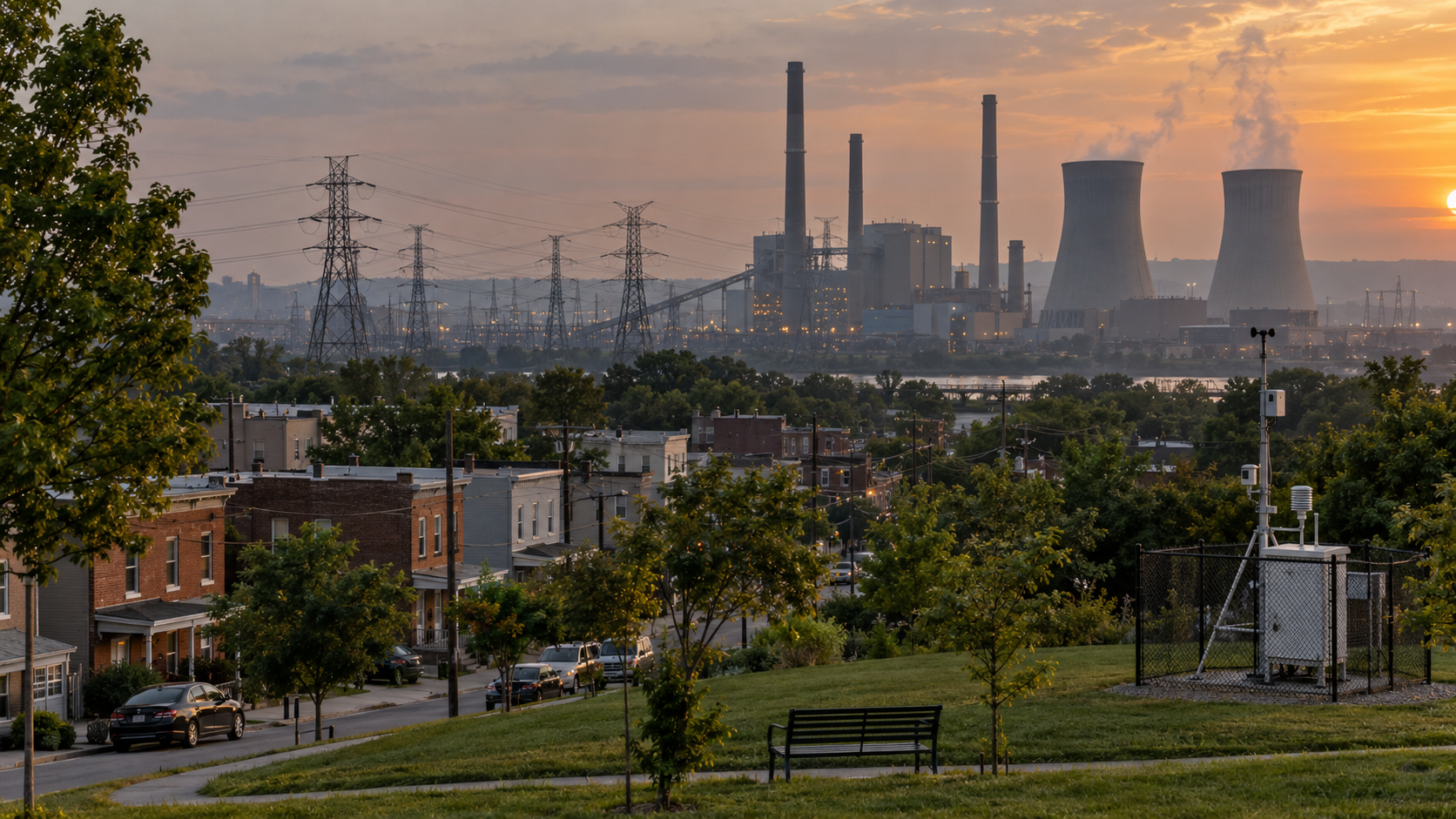
WASHINGTON — The Environmental Protection Agency on Monday repealed federal limits on greenhouse-gas emissions from coal- and natural-gas power plants, a major reversal of U.S. climate policy with consequences for Texas and communities already carrying disproportionate pollution burdens.
EPA Administrator Lee Zeldin announced the action on Sept. 14 during a Group of 20 energy ministers meeting in Houston. The repeal eliminates Biden-era carbon standards for existing coal plants and certain new gas-fired plants, according to the Associated Press and Reuters.
The administration says the standards imposed costly requirements on power producers and threatened the reliability of the electric grid as demand rises. EPA estimated that repealing the rules would remove more than $300 billion in projected industry costs, according to the AP. That figure is the agency’s estimate and will likely be challenged as courts review the action.
Environmental groups and former federal officials argue the rollback will increase carbon pollution, prolong the use of fossil-fuel plants and weaken one of the government’s most important tools for addressing climate change. Legal challenges are expected.
The action is especially significant for Texas, the nation’s largest electricity-producing state and home to a large fleet of gas- and coal-fired plants. It was announced in Houston, where debates over energy growth, industrial emissions, extreme heat and neighborhood health are closely connected.
For Black communities, the decision also raises environmental-justice concerns. National research has found that communities of color are exposed to more fine-particle pollution on average and that the legacy of discriminatory housing practices is associated with unequal burdens from fossil-fuel power-plant emissions. A 2023 peer-reviewed study in Nature Energy linked historic redlining to present-day disparities in power-plant pollution.
The rule repealed Monday focused on carbon dioxide, which drives climate change, rather than directly eliminating every federal limit on soot, mercury or other conventional pollutants. Still, climate and public-health advocates say policies that keep coal and gas plants operating longer can also affect nearby communities through associated pollution.
EPA is taking a separate step intended to make future greenhouse-gas regulation of power plants more difficult. The agency argues the power sector’s emissions do not meet the legal threshold for regulation under the relevant section of the Clean Air Act. Critics dispute that interpretation and say electricity generation remains one of the largest sources of U.S. greenhouse-gas emissions.
The repeal does not end all oversight of power plants. Operators remain subject to other federal and state environmental requirements, and states can adopt their own climate and clean-energy policies. The immediate next phase is expected to unfold in federal court, where judges will weigh whether EPA adequately justified abandoning the earlier standards.
Sources: U.S. Environmental Protection Agency; Associated Press, Sept. 14, 2026; Reuters, Sept. 14, 2026; Nature Energy.
The post EPA Repeals Power-Plant Climate Limits, Raising Environmental-Justice Concerns appeared first on African American News and Issues.