
Ghana Mineworkers Raise Alarm Over Outsourcing Policy Threatening Wages and Jobs
Image Credit: www.commonwealthofnations.org
 Black News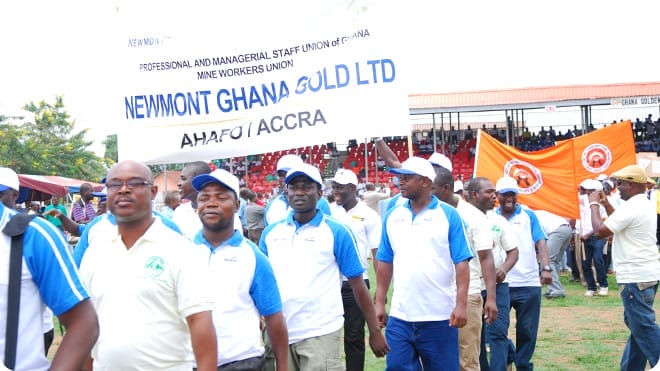
Ghana’s mineworkers’ union has warned that a new government policy requiring international mining companies to outsource key operations to local contractors could lead to significant wage cuts and job insecurity for workers. According to Reuters, the policy, part of efforts to boost local participation in the mining sector, mandates that surface mining be handled by fully Ghanaian-owned firms and underground operations by companies with at least 50% local ownership by December 2026.
Union president Abdul Moomin Gbana said the shift would likely reverse hard-won labour protections, noting that local contractors typically pay lower wages and offer weaker job security compared to multinational operators. The union, which represents about 14,000 workers, has threatened protests and strikes if the policy is not revised, arguing that workers could earn up to 50% less under contractor arrangements.
The government maintains that the policy is aimed at strengthening domestic mining capacity and retaining more economic value within Ghana, while regulators have pledged tighter oversight to prevent exploitation. However, tensions remain high as workers push back against what they see as a policy that prioritizes local ownership over labour welfare.
What This Means For Africa
This development highlights a growing trend across Africa where governments are pushing for “local content” policies to retain more value from natural resources. While the intention is economically strategic, the Ghana case exposes a key risk: if not properly regulated, localization can shift wealth without protecting workers.
For Africa, this is a balancing test between economic sovereignty and labour rights. If countries prioritize local ownership without enforcing strong wage and welfare standards, it could create a continent-wide pattern of lower-paying, less secure jobs in critical sectors like mining.
At the same time, if Ghana manages to refine the policy with proper oversight, fair pricing structures, and worker protections, it could become a model for how African nations can localize industries without sacrificing livelihoods.