Ghana says xenophobia made it reject South Africa's president's visit; Pretoria disagrees
Following the repatriation of hundreds of Ghanaians due to recent anti-immigrant protests in South Africa, Ghana has postponed South African President Cyril Ramaphosa's scheduled official visit.
 Black News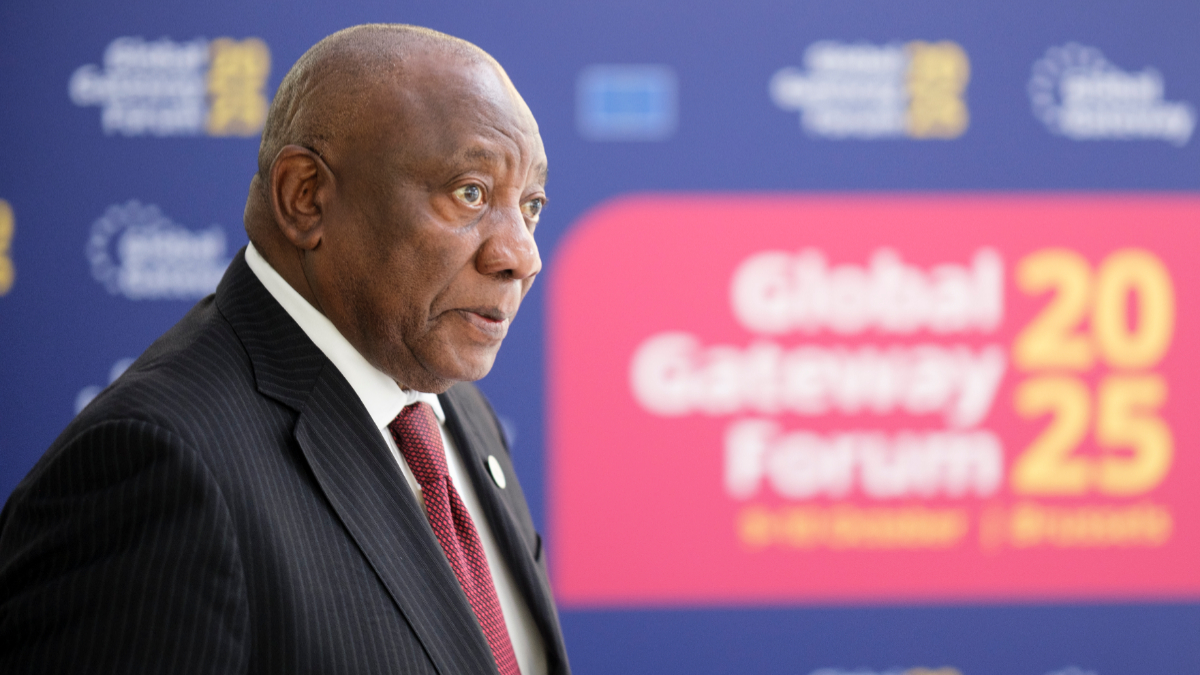
![President Cyril Ramaphosa of South Africa. [Getty Images]](https://ocdn.eu/pulscms/MDA_/d83d488718d37e6f297effbc0aeeec1d.jpg)
Following the repatriation of hundreds of Ghanaians due to recent anti-immigrant protests in South Africa, Ghana has postponed South African President Cyril Ramaphosa's scheduled official visit.
- Ghana has postponed South African President Cyril Ramaphosa’s visit due to tensions from recent anti-immigrant protests in South Africa.
- The protests in South Africa targeted foreign nationals, especially Ghanaians, leading Ghana to repatriate over 900 citizens.
- Ghana feared the visit could provoke mass protests and officially recommended its deferral, citing current sensitivities around xenophobia.
- South Africa downplayed the tensions, stressing their commitment to diplomatic engagement and cooperation with Ghana.
It was expected that the visit, which was set for the first week of August, would provide both nations with a chance to defuse escalating diplomatic tensions.
DON'T MISS THIS: Nigeria’s top airline tycoon calls for economic pressure on South Africa amid xenophobic unrest
But concerns that Ramaphosa's visit would provoke large-scale mass protests grew in Ghana.
Felix Kwakye Ofosu, a spokesman for the Ghanaian administration, revealed that the trip had been postponed in an interview with the BBC on Tuesday.
''We sent them a communication indicating that it would be best to defer the visit in view of the present climate around xenophobia," he stated.
The South African administration has sought to downplay the tensions, with the country's presidential spokesperson Vincent Magwenya disclosing to the BBC the nation's steadfast commitment to "deepening cooperation" between the "two sister nations" and "advancing the African Agenda".
"The two countries will continue to engage through diplomatic channels to identify a mutually convenient date," he said.
He also noted that President Cyril Ramaphosa had postponed the state visit to Ghana, as opposed to being turned away.
Following weeks of anti-immigrant protests in South Africa, which targeted foreign nationals, especially Ghanaians, relations between the two countries have deteriorated.
The demonstrations forced Ghana to repatriate hundreds of its citizens from the Southern African country, and summon South Africa's envoy due to safety concerns.
While Pretoria has denounced attacks on migrants and promised tighter law enforcement, the protests have exacerbated diplomatic concerns as both countries strive to keep tensions from rising.
Ghana so far has repatriated more than 900 of its citizens from South Africa, with the final cohort of over 900 individuals expected to return in the ensuing weeks.
Ghana also recently condemned the suspected murder of 40-year-old Ghanaian resident Bahiru Isak, who resided in the South African neighborhood of Khayelitsha.
According to Ghanaian officials, he was murdered on June 30 amid anti-immigration demonstrations.
South Africa refuted the claim that Bahiru Isak's demise was linked to the protests.
In May, the Ghanaian government formally petitioned the African Union to intervene in the xenophobic attacks on foreign African migrants in South Africa.
The letter expresses the Ghanaian government's concerns over recurring attacks against Africans in South Africa, namely Ghanaians.
Ghana's Minister for Foreign Affairs and Regional Integration, Samuel Ablakwa, elaborated on his country's feelings on the matter, stating that the ongoing attacks on fellow Africans in South Africa undermine the core tenets of 'African solidarity, brotherhood, and continental unity' as established by African Union member nations.
In the same month, Ghana guaranteed its nationals who were affected by South Africa's protests that they would be adequately cared for when they returned to their home country.