Historic UN Resolution Recognizing African Enslavement As Humanity’s Gravest Crime Welcomed By CARICOM
“In the CARICOM Reparations Commission, we are of the view that reparatory justice is part of our development conversation.”---CARICOM Reparations Commission Chair, Sir Hilary Beckles The CARICOM Reparations Commission (CRC) has applauded the recent adoption of a United Nations resolution that formally recognizes the trafficking and racialised chattel enslavement of Africans as the gravest crime against humanity. CRC Chair, Sir Hilary Beckles, described the resolution as a long-overdue step that lays the foundation for a global dialogue on human decency. “We’re calling for a dialogue of decency that is part of the discourse of development,” stated the CRC Chair. “Those who have benefited from the criminality of this system ought to be in a position to rise up and engage the victims, those who are still suffering the consequences of this crime…to have that dialogue of decency to talk about how best to repair and to move on.” He made the remarks during a virtual media conference on Tuesday, 7 March, emphasizing the need for continued discussions on reparatory justice: “In the CARICOM Reparations Commission, we are of the view that reparatory justice is part of our development conversation. …the conversation is about repairing the economic, social, and cultural resources that are necessary for human development.” The resolution, led by Ghana, was adopted on 25 March as the international community commemorated the International Day of Remembrance of the Victims of Slavery and the Transatlantic Slave Trade. One-hundred and twenty-three (123) countries voted in support of the adoption. Sir Hilary underscored that the decision represents a significant milestone in advancing the cause of justice and reconciliation for the descendants of enslaved Africans. “This was a joint resolution. The African Union and CARICOM have been working steadfastly on this matter for many years,” emphasized Sir Hilary, “And, of course, we know the background to all of this, taking place 25 years ago in Durban, when the resolution that was approved then was that chattel slavery, racialised slavery should have been a crime. We have now moved from should have been a crime to was indeed the gravest crime committed against humanity. The world is much more united on this matter now than it was then. And we’ve come a long way in these 25 years to ensure that this part of our human development is placed within the right context.” Please view the media conference here. Photos: YouTube Screenshots\Wikimedia Commons Source: CARICOM
 Black News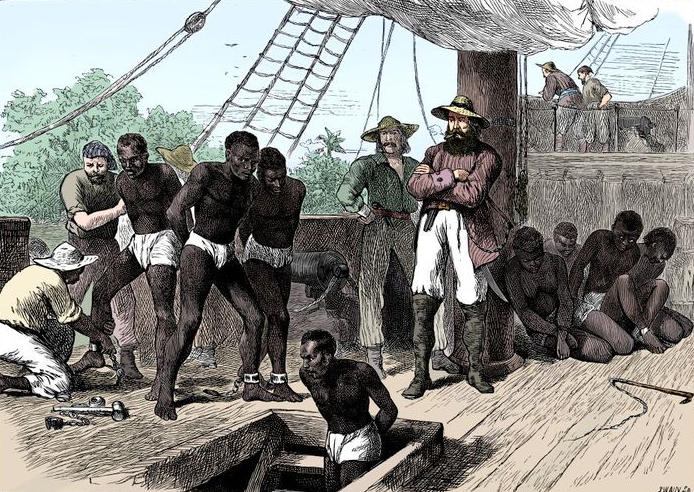


“In the CARICOM Reparations Commission, we are of the view that reparatory justice is part of our development conversation.”---CARICOM Reparations Commission Chair, Sir Hilary Beckles

The CARICOM Reparations Commission (CRC) has applauded the recent adoption of a United Nations resolution that formally recognizes the trafficking and racialised chattel enslavement of Africans as the gravest crime against humanity.
CRC Chair, Sir Hilary Beckles, described the resolution as a long-overdue step that lays the foundation for a global dialogue on human decency.
“We’re calling for a dialogue of decency that is part of the discourse of development,” stated the CRC Chair. “Those who have benefited from the criminality of this system ought to be in a position to rise up and engage the victims, those who are still suffering the consequences of this crime…to have that dialogue of decency to talk about how best to repair and to move on.”He made the remarks during a virtual media conference on Tuesday, 7 March, emphasizing the need for continued discussions on reparatory justice:
“In the CARICOM Reparations Commission, we are of the view that reparatory justice is part of our development conversation. …the conversation is about repairing the economic, social, and cultural resources that are necessary for human development.”The resolution, led by Ghana, was adopted on 25 March as the international community commemorated the International Day of Remembrance of the Victims of Slavery and the Transatlantic Slave Trade. One-hundred and twenty-three (123) countries voted in support of the adoption.
Sir Hilary underscored that the decision represents a significant milestone in advancing the cause of justice and reconciliation for the descendants of enslaved Africans.
“This was a joint resolution. The African Union and CARICOM have been working steadfastly on this matter for many years,” emphasized Sir Hilary, “And, of course, we know the background to all of this, taking place 25 years ago in Durban, when the resolution that was approved then was that chattel slavery, racialised slavery should have been a crime. We have now moved from should have been a crime to was indeed the gravest crime committed against humanity. The world is much more united on this matter now than it was then. And we’ve come a long way in these 25 years to ensure that this part of our human development is placed within the right context.”Please view the media conference here.

Photos: YouTube Screenshots\Wikimedia Commons
Source: CARICOM