How One News Error Shook Baltimore’s Faith Community
A mistaken photo caption became a citywide controversy after The Baltimore Sun linked a respected pastor and nonprofit leader to a violent crime he had nothing to do with. For many Baltimore faith leaders, the issue is not just a newsroom error but whether institutions that once acknowledged past harms are living up to their promises of change. The post How One News Error Shook Baltimore’s Faith Community appeared first on Word In Black.
 Black News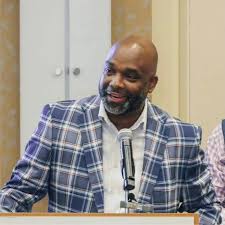

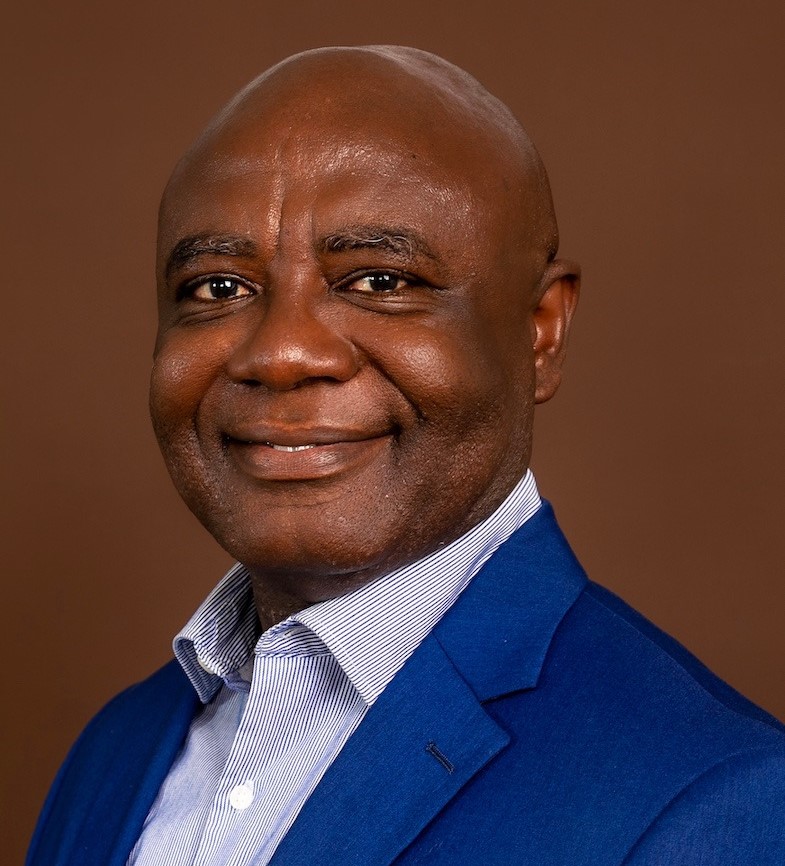
Long before Rev. Antoine Burton, a Baltimore pastor and president of the nonprofit We Our Us board of directors, stood at a pulpit, his name was his reputation. It represented years of hard work in ministry, community service and public trust — built one relationship at a time.
Then, in a matter of hours, The Baltimore Sun trashed Burton’s reputation. The city’s venerable paper of record used a photo of Burton and mistakenly identified him as a man charged in a Park Heights shooting.
RELATED: From Lament to Action: Baltimore Church Backs Racial Repair
“A local news outlet published a photograph identifying me as the individual in this arrest,” Burton wrote in a Facebook post. “That photograph was wrong. They have since removed it — but I know how fast images travel, and I will not let silence do the damage that misinformation already started.”
He continued: “I am here. I am at my post. I have not gone anywhere. We will be out tonight serving our communities.”
Clergy Outraged
The error, published on the newspaper’s social media platforms, triggered outrage among the city’s clergy, Maryland elected officials, and local community leaders. They said the incident reflected a deeper problem of The Sun’s carelessness toward Black public figures.
I know how fast images travel, and I will not let silence do the damage that misinformation already started.
PASTOR ANTOINE BURTON
Faith leaders argued in social media posts and public statements that the incident is bigger than one photo. They say it was a careless mistake that damaged Burton’s reputation.
The error occurred on June 8 after Baltimore police announced charges against a Safe Streets violence interrupter, also named Antoine Burton.
Apology Falls Short
After criticism mounted, Trif Alatzas, The Sun’s editor in chief, issued a public apology.
“We corrected the mistake as soon as we caught it and have personally apologized,” he wrote in a social media post. “We regret the error and know that we have a responsibility to get facts correct and to uphold the trust our community expects from us.”
For many Baltimore clergy, however, the apology did not end the conversation.

Rev. Dr. Heber Brown III, a minister and activist, publicly declined an interview request from The Sun, citing what he described as a pattern of disrespect toward Black Baltimoreans. In a letter posted on social media, Brown wrote that the newspaper’s leadership “is making it clear that they do not hold Black people in high regard, no matter their station in society or their intrinsic value to our community.”
“I cannot, in good conscience, grant an interview, subscribe, place an ad or even follow your company’s pages on social media until there is an acknowledgment of the harm done and substantive efforts toward repair,” Brown wrote.
The Sun’s Mixed Legacy
The controversy arrives at a particularly sensitive moment in Baltimore’s relationship with its flagship newspaper.
In 2022, The Sun’s editorial board issued a historic apology acknowledging its role in supporting racist policies and narratives during much of its 185-year history. The newspaper pledged to rebuild trust with communities it had harmed.
For some Baltimore residents, the Burton incident raised questions about whether those promises are being kept.
Media ethicists have long warned that misidentifications can create lasting harm to the misidentified, even after a news outlet issues a correction. While digital content spreads rapidly, initial reports get far more attention than corrections.
It’s a particular concern for clergy, whose work depends heavily on public trust.
Damage Repair
A pastor’s reputation influences congregational relationships, community partnerships, fundraising efforts, and public credibility. Even a temporary association with allegations of violent crime can create confusion that lingers long after a correction is published.
The incident also exposed the vulnerability of Black leaders whose names and images are readily accessible online. In an era of rapid publishing and social media distribution, a single verification failure can transform a respected community figure into the subject of damaging misinformation.
LEARN MORE: From Prison to Purpose: Transforming Re-entry in San Francisco
Questions remain about which safeguards failed in Burton’s misidentification, or whether The Sun has taken steps to prevent it from happening again. What is clear is that many Black Baltimore faith leaders view the episode as more than an unfortunate mistake.
For them, the issue is not simply whether an apology was issued. It is whether institutions entrusted with telling Baltimore’s story understand the responsibility that comes with identifying the people who live it.
The post How One News Error Shook Baltimore’s Faith Community appeared first on Word In Black.