i-dle Is Always Evolving
Eight years into their career, i-dle is finally calling itself by the right name. Last year, on the K-pop group's seventh anniversary, they officially dropped the "G" from (G)I-DLE, the famously convoluted name they debuted with in 2018. Derived from the Korean phrase (yeoja) aideul, or "girls," the original name was always something of a linguistic knot: the silent "G" standing for "girl," while "i-dle" carried the more meaningful idea of distinct individuals existing together within one team. Even the members themselves rarely sounded particularly attached to the "G," which lingered awkwardly at the front of the name like an unnecessary qualifier. Internally, they had long preferred simply "i-dle," a cleaner, more open-ended identity untethered from the expectations attached to their gender.Eventually, the change became part of the group's contract renewal discussions, which they successfully negotiated. But the members don't see the move as some dramatic reinvention. It was a long-overdue process of subtraction, removing the parts that no longer fit. “Even before we debuted, we always wanted to call ourselves i-dle, and that's what we thought our name would be," Soyeon says with a laugh over a patchy video call from Seoul. "So it's better to think of this as we found the real name, finally." It’s early afternoon there, and the group's 27-year-old leader sits framed by bright office lighting and the occasional freeze of unstable Wi-Fi. Her soft chestnut bob grazes the edge of the screen each time she leans forward to answer a question. Our connection cuts out again mid-sentence. Still, the answer comes easily. The other members see the transition as more of a gradual sharpening. Miyeon compares it to "a child growing up and learning more every day," while Yuqi says the group has become "more mature and intentional" over time, focusing less on spectacle and instead on "refining and stripping things back." Shuhua puts it more plainly: dropping the "G," she says, was about expanding the group's "musical identity and potential" without limitations. That same desire to remove the unnecessary to get closer to the core now defines i-dle's music, too. At a moment when pop music feels engineered for Brat-era maximum impact, the group’s latest single, "Mono (Feat. skaiwater)," moves in the opposite direction.The first thing that stands out about "Mono" is what isn't there; there's no dramatic beat switch added for TikTok edits, no explosive final chorus, no moment where the song suddenly lunges toward something else entirely in the way K-pop songs often fracture and rebuild and constantly stimulate. Instead, the single moves with an almost disarming restraint, gliding forward in soft pulses and negative space.For a group that built its reputation on provocation, from the gothic sensuality of "Oh My God" to the camp chaos of "Queencard" and "Wife," the quietness feels startling. It is also entirely intentional. "We wanted to focus on the essence of our music and show a more honest and authentic side of ourselves," Minnie says.The members continually return to variations on the same ideas: essence, sincerity, freedom, individuality. Yuqi describes this era as one centered on "the core of who we are and the music we truly want to make." Shuhua calls it "sincerity." Minnie gravitates toward "essence." Together, their answers begin to sound like a collective recalibration of a group trying to get closer to who they really are."In the past, we've presented many strong, intense and charismatic concepts, so choosing to strip things back and approach the music in a more restrained and minimal way actually felt like a new challenge for us," Minnie says. "We prepared this album with the hope that listeners could focus more deeply on the meaning of the song and connect with it in their own way. While working on it, we also realized that sometimes holding back can express emotions even more powerfully, and that became a very meaningful experience for us as artists." "I think the keyword for this new era would be 'freedom,'" Yuqi adds. "In a world filled with so many rules and expectations, it’s not always easy to truly express yourself and live the way you want. That’s why we want to move in a more honest and free direction as i-dle, and it's also something I personally try to live by every day." Soyeon, the group's primary producer since their debut song "LATATA," arrived at that realization independently. Before writing "Mono," she tells PAPER she had become increasingly aware of how "everything was becoming more flashy and more intense." She pauses, weighing each sentence before continuing. "I thought, there's no way to continue on that way." The issue, for her, wasn't the trends themselves. In fact, Soyeon speaks about pop cycles with surprising generosity. Good songs become trends for a reason, she points out. Genres surge because people genuinely connect with them. But somewhere amid the endless escalation of online cul
 Black News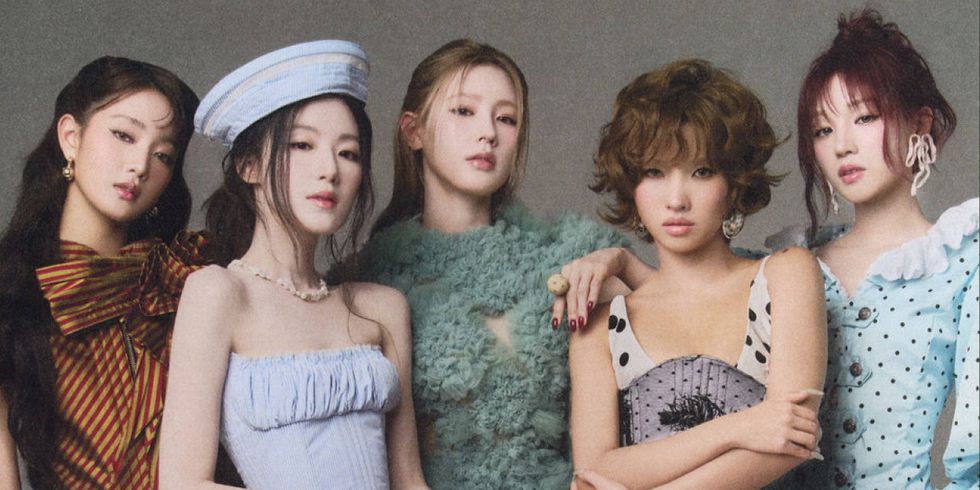

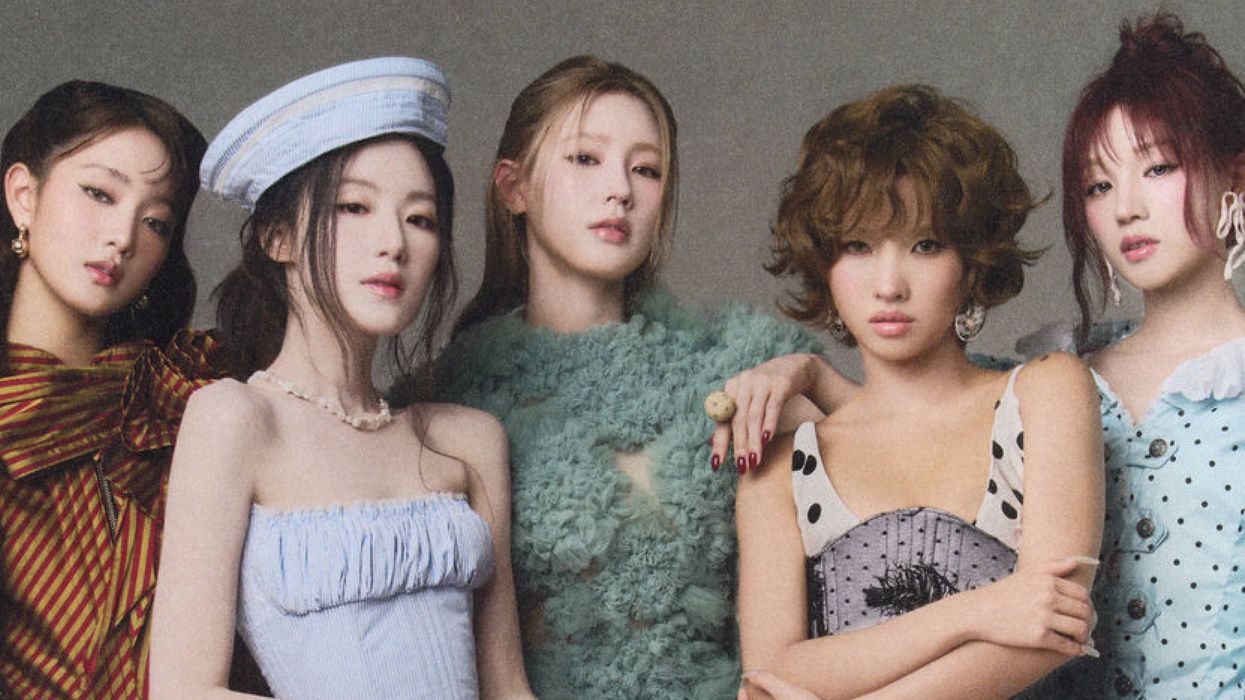
Eight years into their career, i-dle is finally calling itself by the right name.
Last year, on the K-pop group's seventh anniversary, they officially dropped the "G" from (G)I-DLE, the famously convoluted name they debuted with in 2018. Derived from the Korean phrase (yeoja) aideul, or "girls," the original name was always something of a linguistic knot: the silent "G" standing for "girl," while "i-dle" carried the more meaningful idea of distinct individuals existing together within one team. Even the members themselves rarely sounded particularly attached to the "G," which lingered awkwardly at the front of the name like an unnecessary qualifier.
Internally, they had long preferred simply "i-dle," a cleaner, more open-ended identity untethered from the expectations attached to their gender.
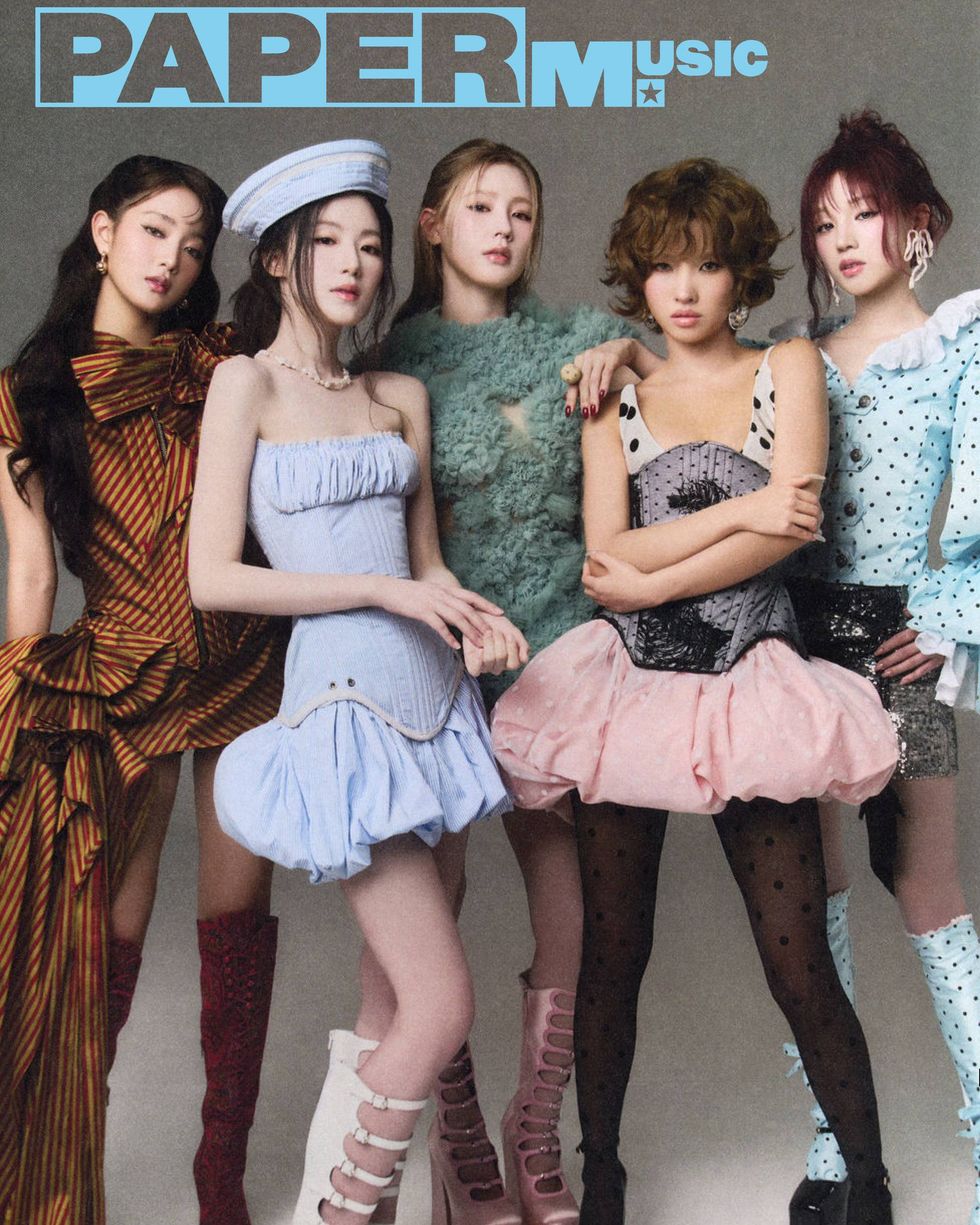
Eventually, the change became part of the group's contract renewal discussions, which they successfully negotiated. But the members don't see the move as some dramatic reinvention. It was a long-overdue process of subtraction, removing the parts that no longer fit. “Even before we debuted, we always wanted to call ourselves i-dle, and that's what we thought our name would be," Soyeon says with a laugh over a patchy video call from Seoul. "So it's better to think of this as we found the real name, finally."
It’s early afternoon there, and the group's 27-year-old leader sits framed by bright office lighting and the occasional freeze of unstable Wi-Fi. Her soft chestnut bob grazes the edge of the screen each time she leans forward to answer a question. Our connection cuts out again mid-sentence. Still, the answer comes easily.
The other members see the transition as more of a gradual sharpening. Miyeon compares it to "a child growing up and learning more every day," while Yuqi says the group has become "more mature and intentional" over time, focusing less on spectacle and instead on "refining and stripping things back." Shuhua puts it more plainly: dropping the "G," she says, was about expanding the group's "musical identity and potential" without limitations.
That same desire to remove the unnecessary to get closer to the core now defines i-dle's music, too. At a moment when pop music feels engineered for Brat-era maximum impact, the group’s latest single, "Mono (Feat. skaiwater)," moves in the opposite direction.
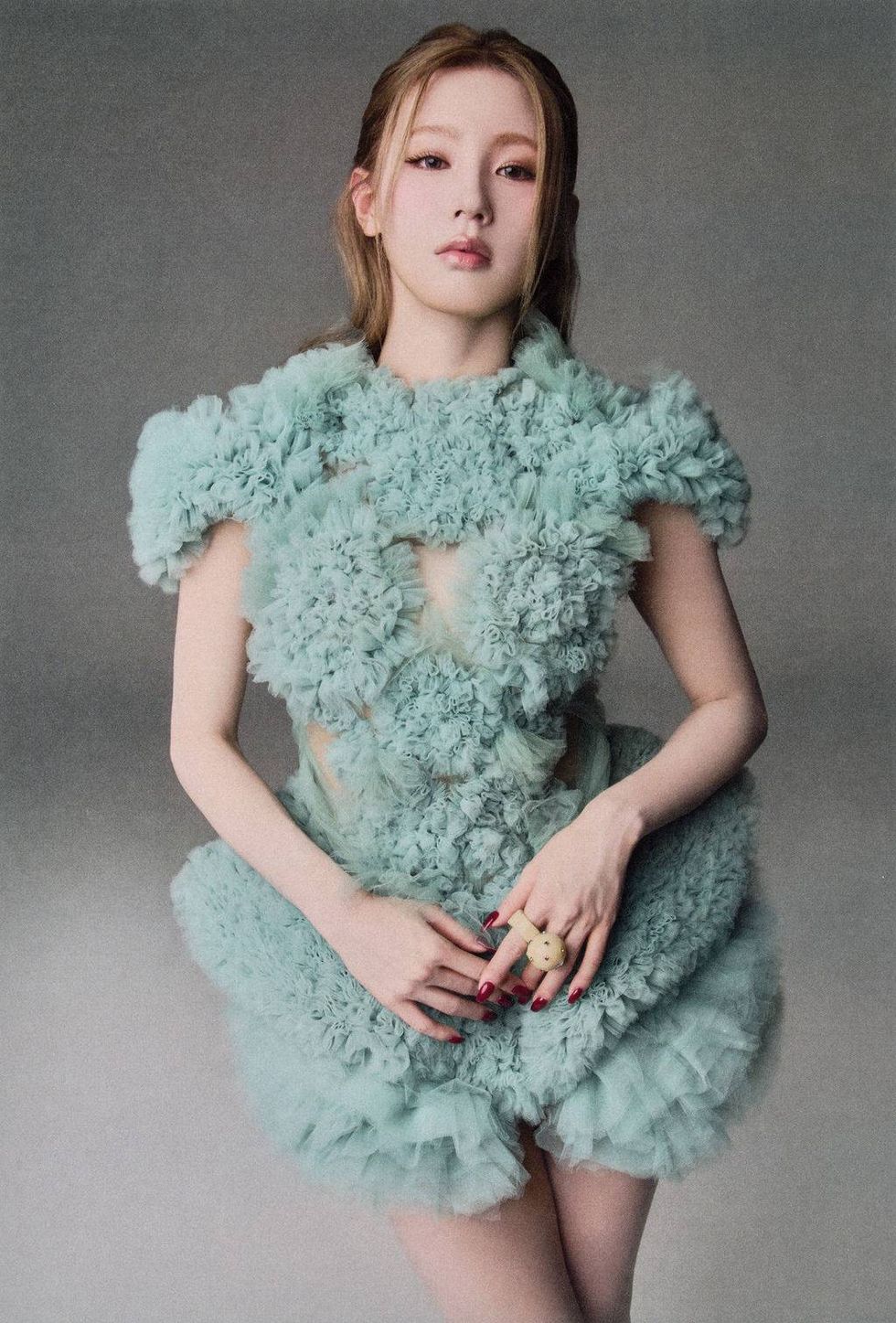
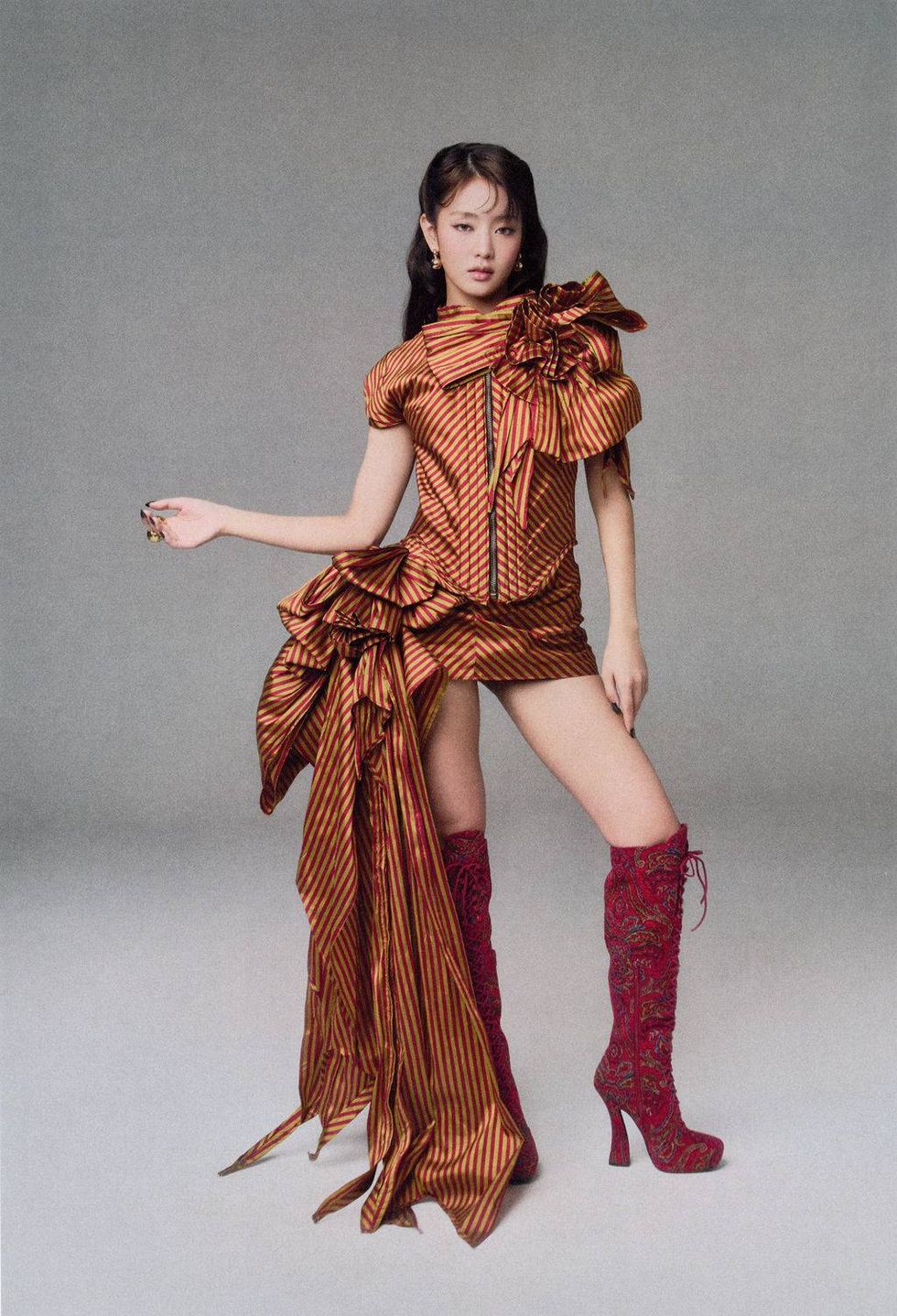
The first thing that stands out about "Mono" is what isn't there; there's no dramatic beat switch added for TikTok edits, no explosive final chorus, no moment where the song suddenly lunges toward something else entirely in the way K-pop songs often fracture and rebuild and constantly stimulate. Instead, the single moves with an almost disarming restraint, gliding forward in soft pulses and negative space.
For a group that built its reputation on provocation, from the gothic sensuality of "Oh My God" to the camp chaos of "Queencard" and "Wife," the quietness feels startling. It is also entirely intentional. "We wanted to focus on the essence of our music and show a more honest and authentic side of ourselves," Minnie says.
The members continually return to variations on the same ideas: essence, sincerity, freedom, individuality. Yuqi describes this era as one centered on "the core of who we are and the music we truly want to make." Shuhua calls it "sincerity." Minnie gravitates toward "essence." Together, their answers begin to sound like a collective recalibration of a group trying to get closer to who they really are.
"In the past, we've presented many strong, intense and charismatic concepts, so choosing to strip things back and approach the music in a more restrained and minimal way actually felt like a new challenge for us," Minnie says. "We prepared this album with the hope that listeners could focus more deeply on the meaning of the song and connect with it in their own way. While working on it, we also realized that sometimes holding back can express emotions even more powerfully, and that became a very meaningful experience for us as artists."
"I think the keyword for this new era would be 'freedom,'" Yuqi adds. "In a world filled with so many rules and expectations, it’s not always easy to truly express yourself and live the way you want. That’s why we want to move in a more honest and free direction as i-dle, and it's also something I personally try to live by every day."
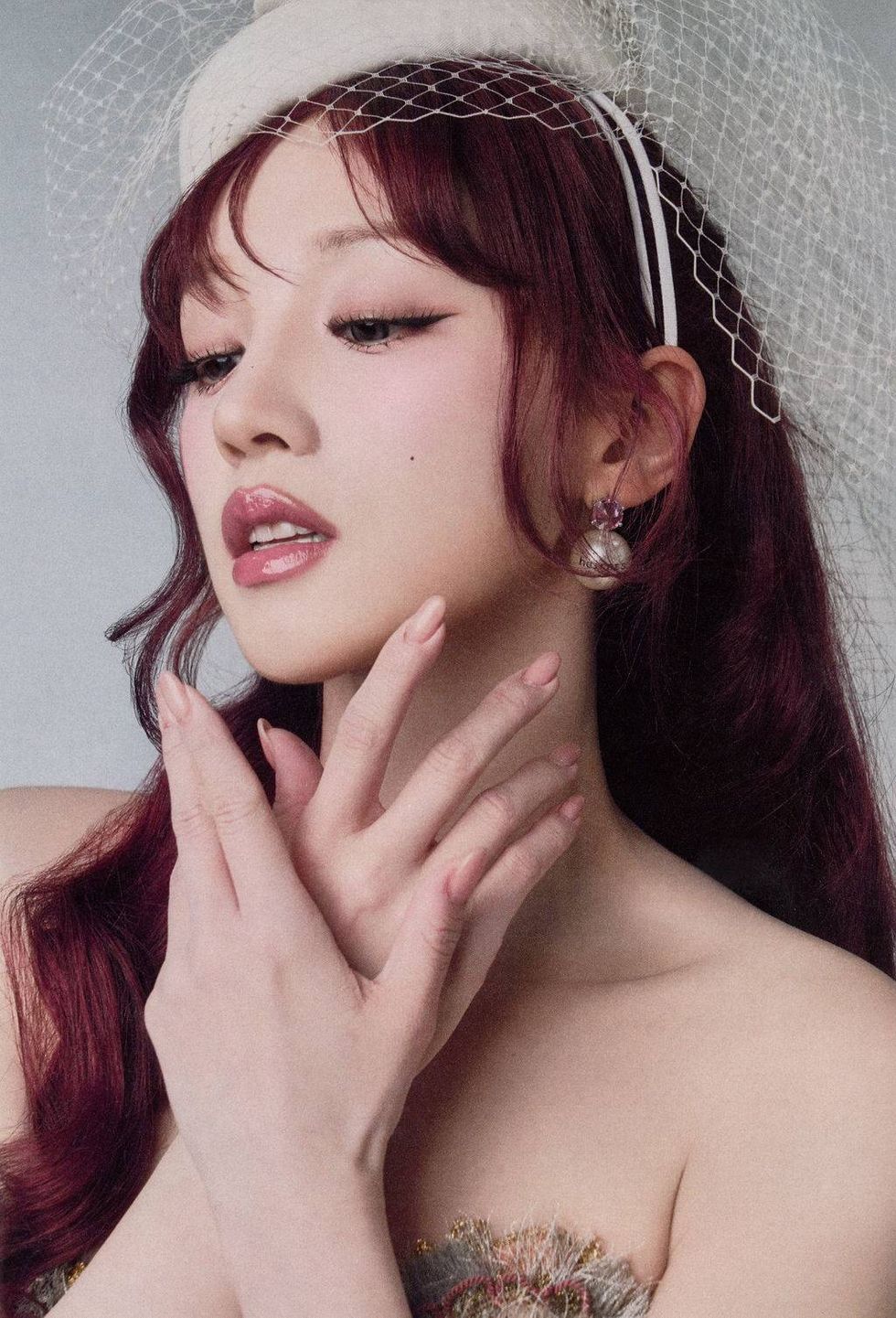
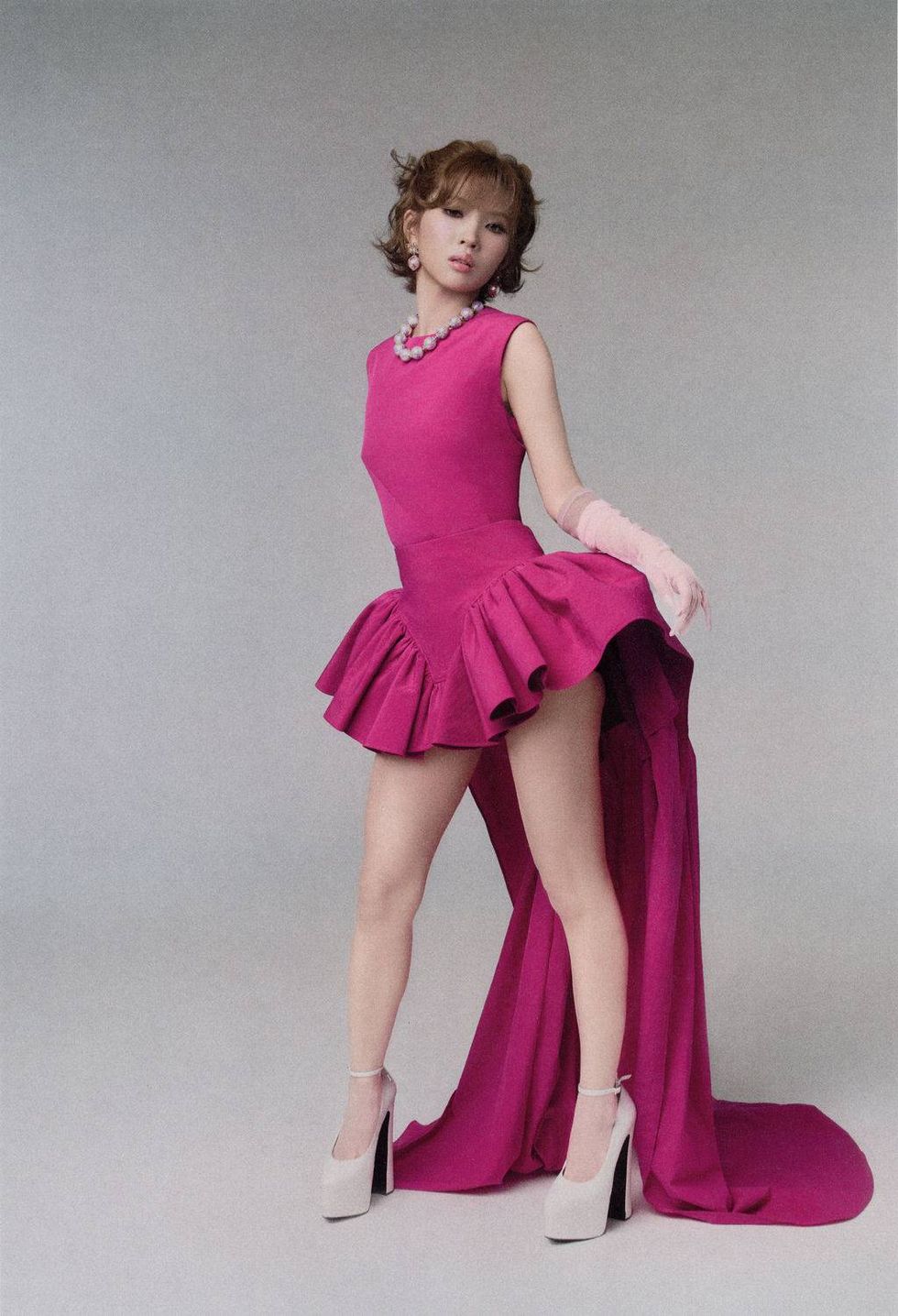
Soyeon, the group's primary producer since their debut song "LATATA," arrived at that realization independently. Before writing "Mono," she tells PAPER she had become increasingly aware of how "everything was becoming more flashy and more intense." She pauses, weighing each sentence before continuing. "I thought, there's no way to continue on that way."
The issue, for her, wasn't the trends themselves. In fact, Soyeon speaks about pop cycles with surprising generosity. Good songs become trends for a reason, she points out. Genres surge because people genuinely connect with them. But somewhere amid the endless escalation of online culture — louder production, algorithmic repetition, crowded aesthetics — she began to feel music drifting away from its emotional center.
"If music keeps moving only in one direction, eventually it starts losing something," she says. "Rather than focusing on what other artists were doing, I found myself thinking more about the essence of music. That's what pushed me toward this sound."
That realization became the emotional spine of "Mono," a song about stripping away outside noise so people can reconnect with themselves and exist more honestly alongside one another.
The idea of listening to an inner voice manifests differently for each member. Miyeon describes it as learning not to fear uncertainty. "Instead of just overthinking or hesitating, I try to step into new situations and go after the things I truly want," she says. "Through those experiences, I’m able to learn more about myself."
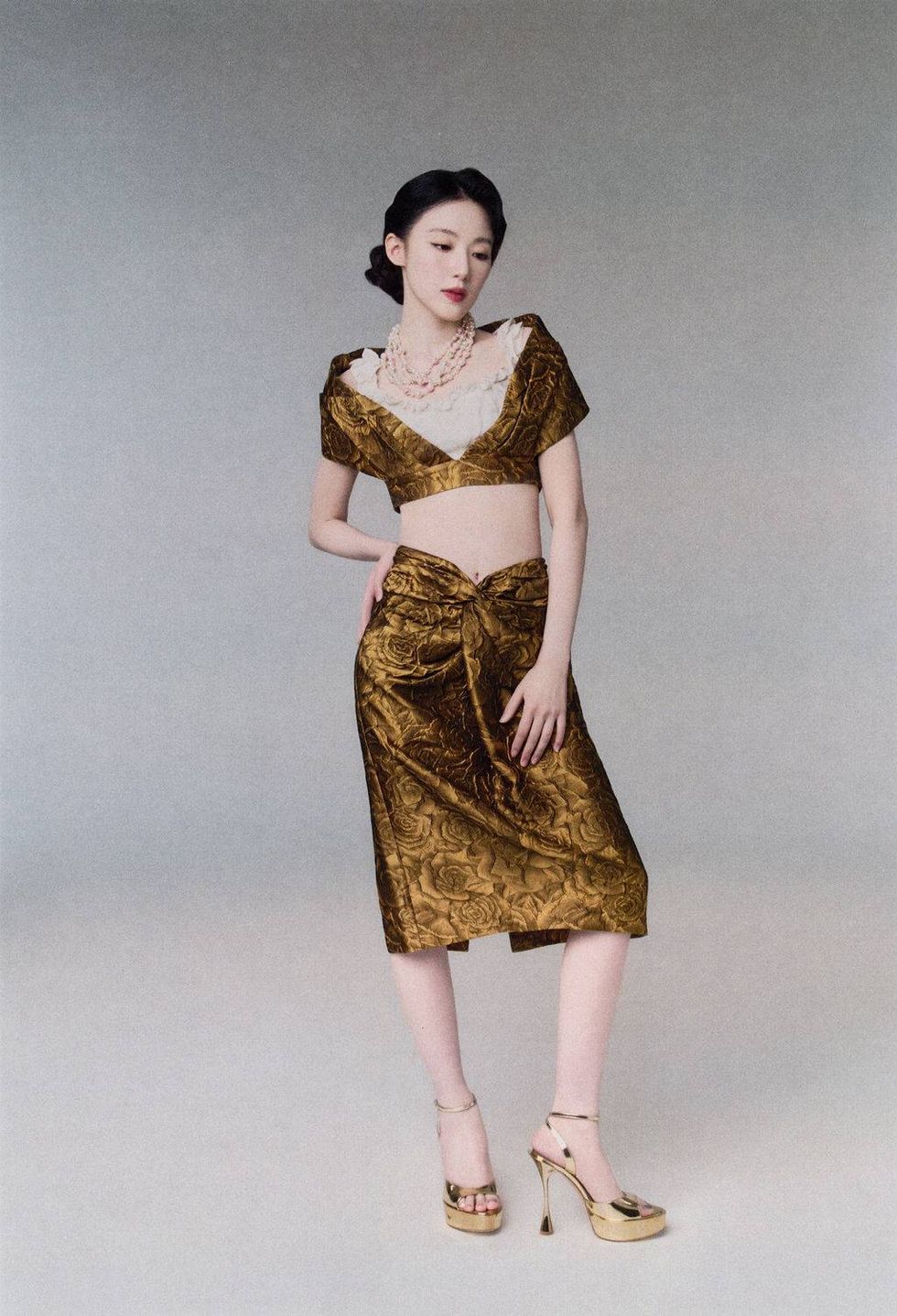
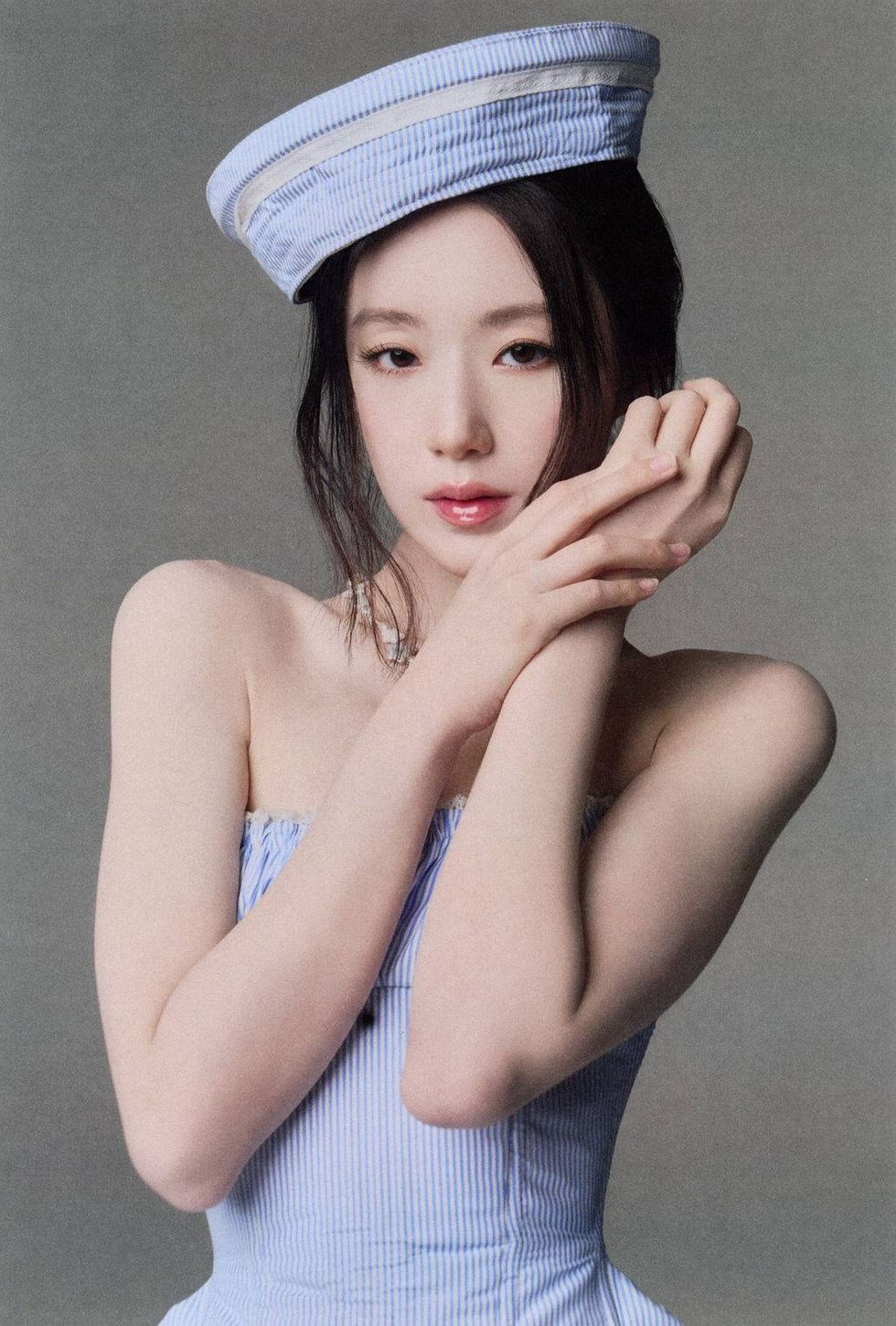
Minnie, meanwhile, says "Mono" pushed her to reflect more deeply on "what I genuinely want to pursue" as an artist rather than focusing too heavily on outside perception. Yuqi frames authenticity almost as a responsibility. "Rather than simply following what others expect from me," she says, "I believe it's about trusting my own instincts and expressing the thoughts and emotions I genuinely want to share."
Shuhua's version is simpler, but perhaps the clearest distillation of the group's current mindset. "Even when there are many expectations or opinions around us," she shares, "we try to come back to what feels real to us."
One of the most noticeable evolutions within i-dle is the growing creative involvement of all the members, many of whom now participate in songwriting and conceptual development alongside Soyeon. Rather than positioning herself as the sole architect of the group, Soyeon speaks of leadership more as a form of cultivation.
"Even if they are not confident," she says, "I always try to push them to start a new song." She smiles as she explains the process, describing how she helps members shape unfinished ideas into something usable and encouraging them through the uncertainty that comes with creating. "The most important thing is just to start the song."
That creative trust appears everywhere in the way the members speak about the group now. There's a noticeable looseness to their answers, a comfort that comes from surviving long enough to understand themselves more clearly. "Compared to a year ago, I have more clarity and confidence in our team's direction," Shuhua says. Elsewhere, she describes the group's songwriting process: "Because we understand ourselves and our stories best, I think creating our own music naturally gives us more freedom and confidence to experiment with new ideas."
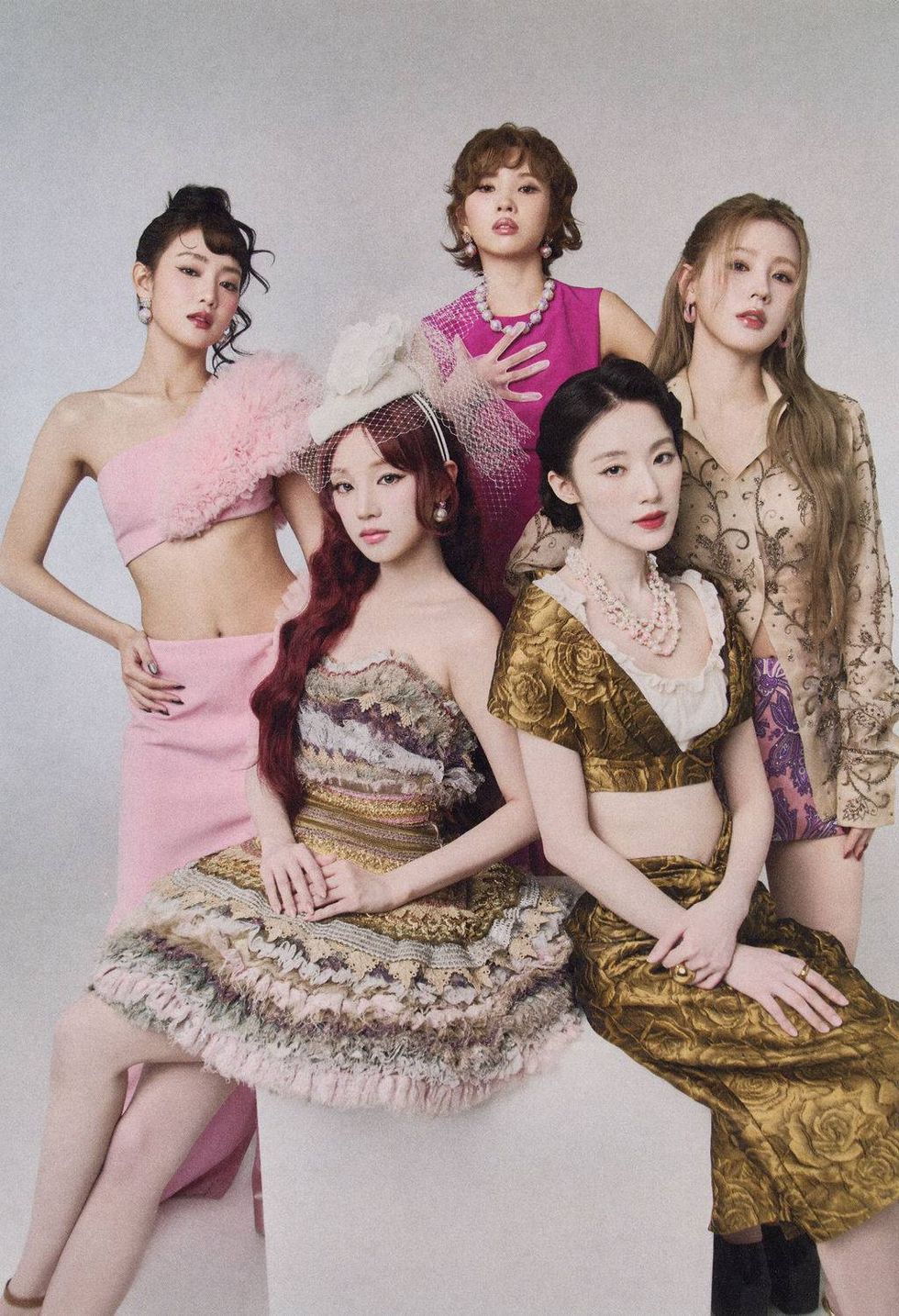
Yuqi describes the group's current direction as "the truest reflection" of who they are.
None of them speak about longevity the way pop stars usually do. There's little discussion of relevance or chart pressure. Instead, the conversation keeps circling back to instinct, to trusting themselves enough to follow ideas wherever they lead. Asked whether she thinks about members like characters while building songs, Soyeon nods immediately. "Inside a movie called i-dle," she says, "I think of it as, 'This member has this kind of role.'"
The metaphor feels strangely perfect. Over the last seven years, i-dle has constructed one of the most distinct worlds in K-pop. It's theatrical yet emotionally grounded, biting yet deeply human. Their music often feels larger than life, but the people inside it increasingly seem interested in something smaller and harder to fake. "We’re just always trying to be sincere with our music, and if people can see that sincerity, I think that’s the most meaningful thing for us," Miyeon says.
Her philosophy reflects on “Mono.” Of the song, Soyeon tells PAPER: "When I view the world right now, I think it's a bit divided. There are so many stereotypes people have about each other, and sometimes those thoughts become very negative. But I don’t think there’s a reason for that negativity to exist." She searches for the right phrasing through the lag of the video call. "In the end," she adds, "those thoughts don't really matter. That’s how this song was created."
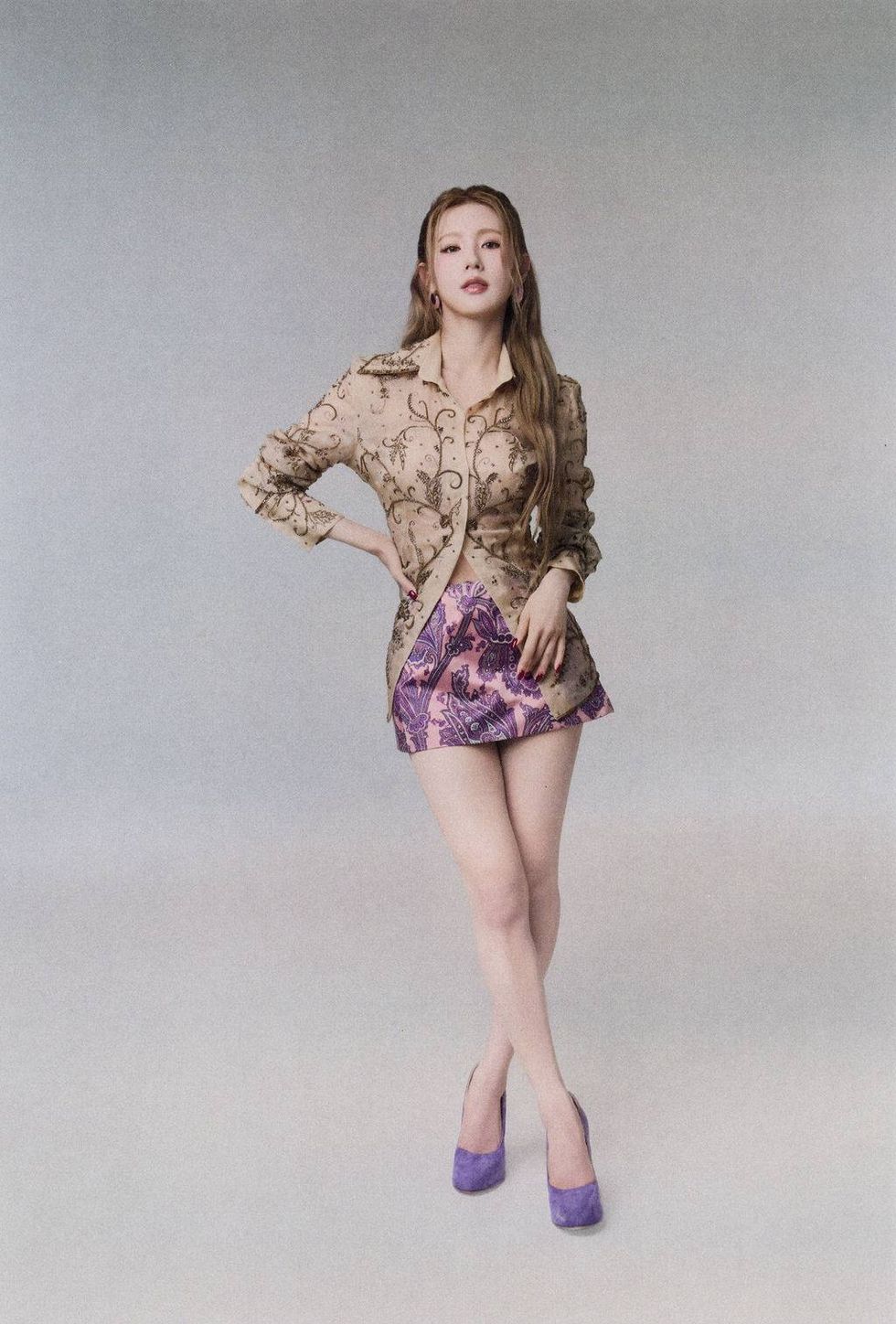
That philosophy appears most directly in the chorus: "You're from the right / Or from the left / Whether East or West / Whether straight or gay / Every day and night / Dance to your real vibe." For a mainstream K-pop act — an industry still famously cautious about direct references to sexuality, politics, or identity — the sentiment is strikingly plainspoken.
But for i-dle, it also feels like an extension of the themes that have run through their music for years. From the queer subtext and religious imagery of "Oh My God" to the gendered rebellion of "Tomboy," the domestic satire of "Wife" and the body politics of "Nxde," the group has consistently challenged narrow ideas about femininity and the expectations of women to behave publicly. "Mono" approaches those same ideas more gently, trading confrontation for acceptance. Still, the underlying instinct remains the same: People should be allowed to exist as themselves without shame, performance, or apology.
Soyeon seems almost bemused by the perception that her work is intentionally provocative. "I'm just trying to express [myself] honestly," she says. "But sometimes people think of me as challenging." In Soyeon’s eyes, honesty is what makes i-dle's music feel so disruptive. "Rather than focusing on comparisons or following trends, we've always tried to concentrate on delivering the messages and stories we genuinely want to express through our music," Minnie shares. "And I believe that has become one of i-dle's greatest strengths."
This summer, the group will bring their evolving identity to Lollapalooza, performing for one of the biggest festival audiences of their career. Soyeon says she wants first-time listeners to experience the full range of what i-dle can do. The members, meanwhile, speak less about impressing new audiences than creating connection.
"We hope it becomes a performance where everyone can still connect with us," Miyeon says, "feel the energy together, and simply enjoy the moment."
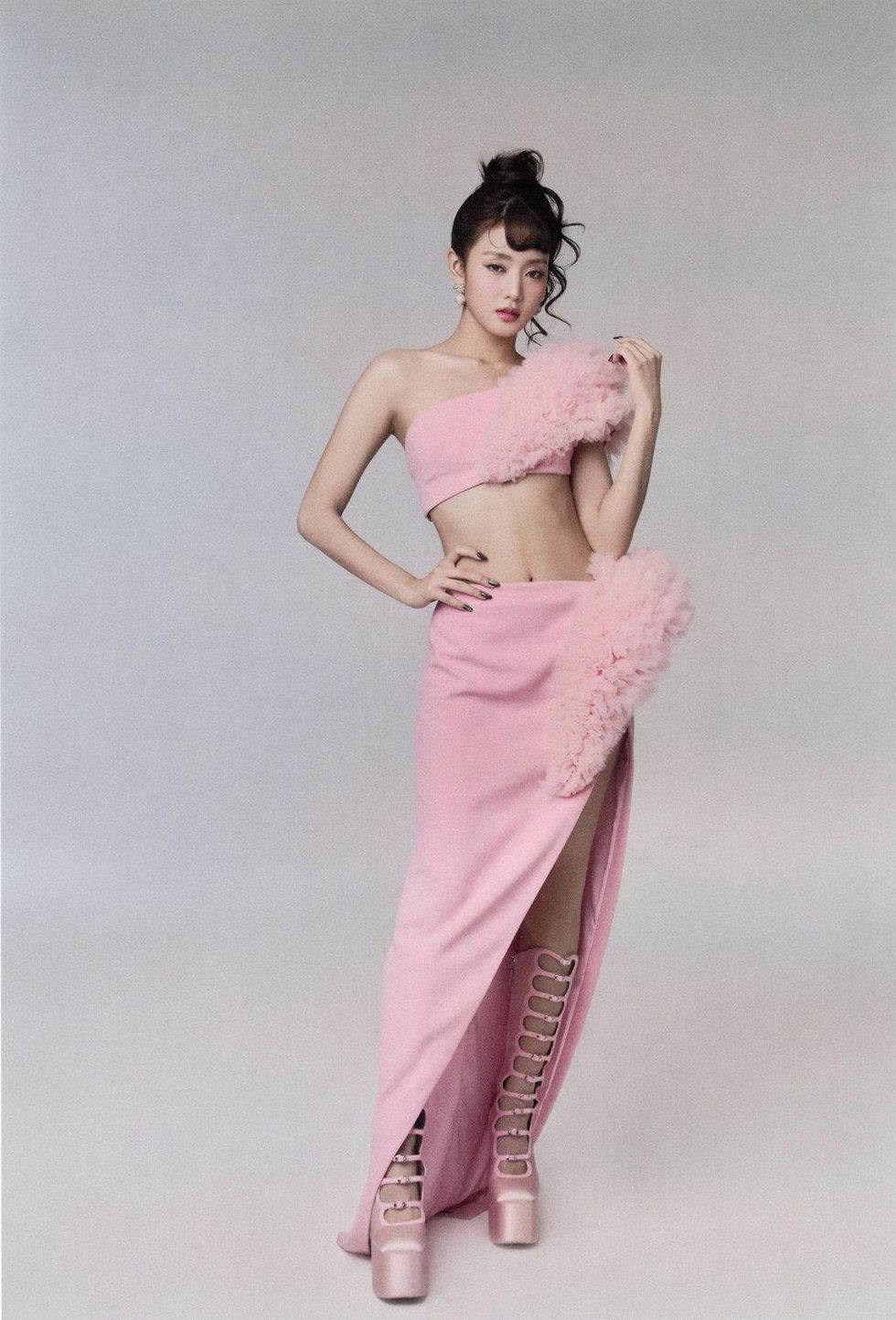
There's another song from this era, though, that may ultimately capture where i-dle stands now even more clearly than "Mono." During their recent Seoul concerts, the group debuted "Crow," a towering rock-influenced track written during a period when, as Soyeon puts it, people questioned whether i-dle would continue at all. That uncertainty wasn't imagined. In 2021, the group entered a 14-month hiatus — an eternity by K-pop standards — before reemerging with the explosive "Tomboy," a song that not only revived their momentum but fundamentally reshaped their identity as a five-member group.
So the symbolism of "Crow" feels intentional. Crows are often treated as omens and most often associated with bad luck, death, or disaster. Soyeon wanted to reclaim that imagery entirely. Rather than something sinister, the crow becomes a creature defined by survival. In particular, surviving long enough to outlast the narratives built around you. "We wanted to show that we have actually become a stronger group," she says.
That strength is what makes i-dle’s current calmness so compelling. "Mono" may sound softer than the group's previous work, but nothing about this era feels uncertain. If anything, i-dle now carries the confidence of artists no longer interested in proving themselves through noise alone.
"Through everything we've gone through, we realized that there's never just one correct answer," Miyeon says. "The answers are something we create ourselves along the way."
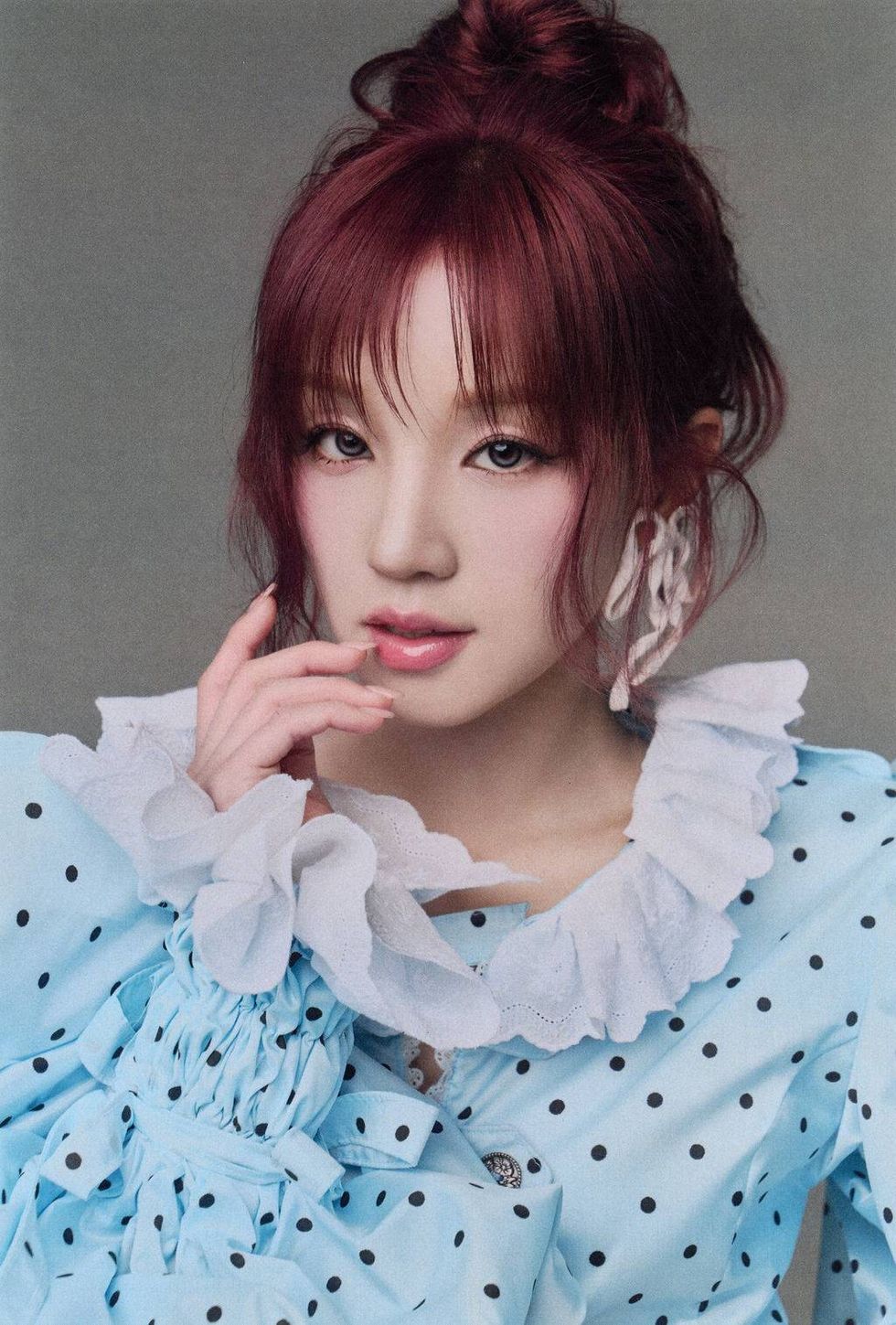
Yuqi admits that earlier in the group's career, there were moments when i-dle felt constrained by the expectations attached to its image. "Now, we were able to approach the music and the themes much more openly," she says. "The process felt more genuine and exciting for us."
For Minnie, experimentation itself has become part of the group’s identity. "It's important to keep continuing to explore and create something that genuinely feels true to us," she explains.
By the end of the conversation, Soyeon reflects on what she understands about herself now that she didn't a few years ago. She ponders for a moment before answering.
"I've become even stronger and more intense when there are hardships," she says.
It's a fitting description of i-dle, too. Every time the group is pushed into a corner, they've emerged even more certain of who they are. For a group called i-dle, settling into one version of themselves has never really been their thing.
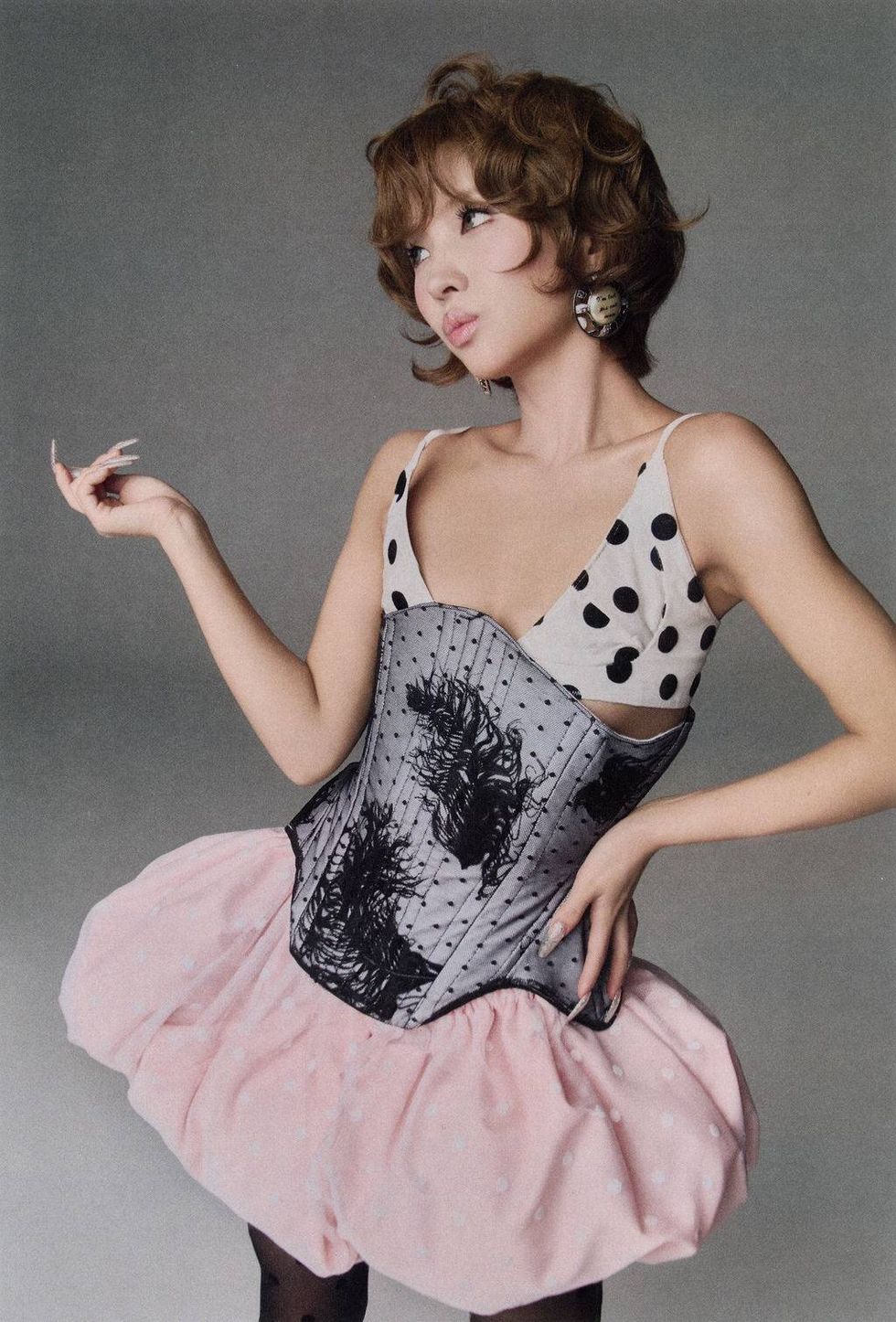
Photography by: Baz
Story by: Crystal Bell
Styling: Kris Fe
Hair Artists: JW Kim, SY Park, CH Choo
Makeup Artists: MR Kim, YR Choi, MJ Seo
Lighting Technician A’lon
Lighting Assistant Skyquajus Turner
Styling Assistants: Franceleslia Millien and Crystal Castro
Production Assistant: Madeline Julietta Davis
Chief Creative Officer: Brian Calle
Executive Creative Director: Jordan Bradfield
Executive Creative Producer: Angelina Cantú
Senior Editor: Joan Summers
Graphic Design by Composite Co